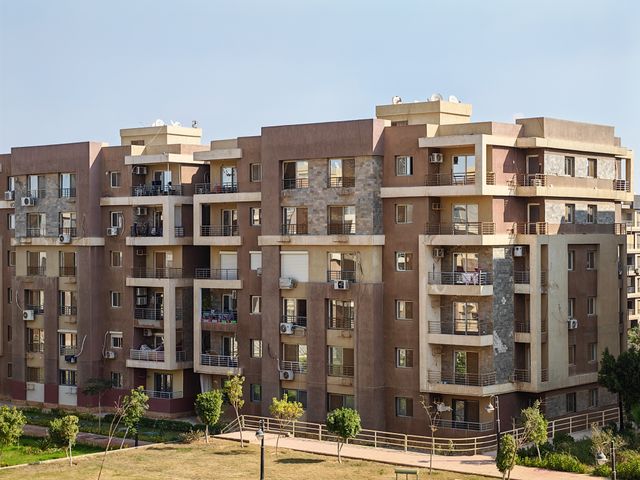
- Median home price in California is $820,000 in 2026.
- Mortgage rates are at 6.8%, making monthly payments around $4,300.
- Inventory is up 12%, giving buyers more negotiating power.
- ✅ Best for: Buyers with $200K+ income and a 20% down payment.
- ❌ Not ideal for: Investors seeking cash flow or those with unstable income.
Destiny Williams, a marketing director in Atlanta, GA, had been dreaming of a California home for years. She watched Zillow listings in Los Angeles and San Diego, thinking a transfer with her firm might finally make it possible. But when she ran the numbers—around $820,000 median home price, mortgage rates near 6.8%, and California's top income tax bracket of 13.3%—the dream felt out of reach.
She hesitated, nearly giving up, before a colleague mentioned first-time buyer programs she'd never heard of. If you're in a similar spot, wondering whether California real estate still makes sense in 2026, this guide breaks down the real numbers, the hidden costs, and the strategies that actually work.
According to the California Association of Realtors, home sales in 2026 are projected to rise roughly 5% from 2025, but affordability remains the biggest hurdle. The CFPB reports that nearly 40% of California buyers now use some form of down payment assistance. This guide covers three things: how the market actually works today, the step-by-step process to buy in 2026, and the fees and risks nobody mentions. With mortgage rates still elevated and inventory slowly improving, knowing the exact numbers can save you tens of thousands of dollars.
1. How Does the California Real Estate Market Actually Work in 2026?
Direct answer: The California real estate market in 2026 is defined by a median home price of $820,000, mortgage rates around 6.8%, and a 12% increase in inventory compared to 2025 (California Association of Realtors, 2026 Market Report). Buyers need a household income of roughly $200,000 to afford a median-priced home with a 20% down payment.
Destiny Williams, the marketing director from Atlanta, almost walked away from her California dream when she saw the numbers. She'd been pre-approved for $600,000, but the median price in her target city—San Diego—was around $950,000. She felt stuck.
But then she discovered that California has over 100 down payment assistance programs, some offering up to 10% of the purchase price as a forgivable loan. That changed everything. For you, the key is understanding that the market is not monolithic. Coastal cities like San Francisco and Los Angeles have different dynamics than inland areas like Sacramento or the Central Valley.
Distilled: California's 2026 market is high-priced, high-rate, but slowly improving inventory.
What is the median home price in California right now?
As of early 2026, the statewide median home price is $820,000 (California Association of Realtors, 2026 Market Snapshot). That's up roughly 3% from 2025, but the pace of appreciation has slowed. In San Francisco, the median is around $1.4 million; in Los Angeles County, it's about $900,000; in Sacramento, it's closer to $550,000. The key takeaway: location matters more than ever.
How do mortgage rates affect affordability in 2026?
With 30-year fixed rates averaging 6.8% (Freddie Mac, Primary Mortgage Market Survey, January 2026), the monthly payment on a $820,000 home with 20% down is roughly $4,300—before taxes and insurance. That's around $1,000 more per month than in 2021 when rates were 3%. The Federal Reserve's rate of 4.25–4.50% is keeping borrowing costs high, but some experts predict a slight decline later in 2026.
- Median home price: $820,000 (CAR, 2026)
- 30-year fixed rate: 6.8% (Freddie Mac, 2026)
- Inventory increase: 12% year-over-year (CAR, 2026)
- Income needed to afford median home: ~$200,000 (LendingTree, 2026)
- Down payment assistance programs: 100+ statewide (California Housing Finance Agency, 2026)
Expert Insight: The 'Rate Lock' Trap
Many buyers are waiting for rates to drop below 6% before buying. But if you wait, home prices could rise another 3-5%, costing you more in the long run. Consider an adjustable-rate mortgage (ARM) or a buydown to get in now, then refinance later. This strategy could save you $20,000 or more over three years.
| City | Median Home Price (2026) | Monthly Payment (6.8%, 20% down) | Income Needed |
|---|---|---|---|
| San Francisco | $1,400,000 | $7,300 | $350,000 |
| Los Angeles | $900,000 | $4,700 | $225,000 |
| San Diego | $950,000 | $5,000 | $240,000 |
| Sacramento | $550,000 | $2,900 | $140,000 |
| Fresno | $400,000 | $2,100 | $100,000 |
For a deeper look at how broader economic trends affect your finances, check out our guide on Stock Market Basics.
Put simply: California's 2026 market is expensive but not impossible—know your city's median, your rate options, and the assistance programs available.
2. Getting Buying in California Right the First Time
Step by step: The process takes 30-45 days on average. You'll need a pre-approval, an offer with 3-5% earnest money, a 17-day inspection period, and a clear escrow. California also requires a Natural Hazard Disclosure statement.
Step 1: Get Pre-Approved (Not Just Pre-Qualified)
A pre-approval means a lender has pulled your credit and verified your income. In California's competitive market, sellers won't even look at an offer without one. You'll need your W-2s, tax returns, bank statements, and pay stubs. Aim for a lender that offers a 90-day rate lock—rates can move fast.
Step 2: Find a Buyer's Agent Who Knows Your Target Area
California is huge. An agent who specializes in San Diego may know nothing about Sacramento's market. Look for an agent with at least 5 years of experience and at least 10 transactions in the last 12 months. They'll help you craft an offer that includes contingencies for inspection, appraisal, and loan.
Step 3: Make an Offer and Negotiate
In 2026, with inventory up 12%, you have more room to negotiate than in 2021-2022. But don't lowball—prices are still high. A good strategy is to offer 2-3% below asking with a 3% earnest money deposit. Include a pre-approval letter and a personal letter to the seller if it's a competitive situation.
Step 4: Inspections and Disclosures
California law requires sellers to provide a Natural Hazard Disclosure (NHD) report, which tells you if the property is in a flood zone, fire zone, or earthquake fault area. You have 17 days to complete your own inspections—general, termite, roof, and foundation. Don't skip the sewer scope; it can cost $300 but save you $10,000.
Step 5: Appraisal and Loan Approval
The lender will order an appraisal to make sure the home is worth the purchase price. If it comes in low, you can renegotiate or bring more cash. In 2026, appraisals are taking 7-10 days on average. Once the appraisal clears, you'll get final loan approval.
Step 6: Close Escrow
Escrow typically takes 30-45 days. You'll sign a mountain of documents, including the deed of trust, note, and closing disclosure. California is a non-disclosure state for sale prices, but your county recorder will have the deed. Plan for closing costs of 2-5% of the purchase price.
Common Mistake: Skipping the 'California Addendum'
Many buyers don't realize that California has a standard 'California Residential Purchase Agreement' with a specific addendum for state disclosures. Missing this can delay closing by weeks. Your agent should include it from day one.
California Home Buying Framework: The '3-2-1' Rule
Step 1 — 3 Months of Research: Spend 90 days studying neighborhoods, prices, and schools before you make an offer.
Step 2 — 2 Lenders: Get pre-approved by at least two lenders to compare rates and fees.
Step 3 — 1% Rule: Don't buy a home where the monthly payment (PITI) exceeds 1% of the purchase price. For a $820,000 home, that's $8,200/month—which is actually too high for most. Adjust to 0.5% for California.
| Step | Timeframe | Key Document | Cost |
|---|---|---|---|
| Pre-approval | 1-2 days | Pre-approval letter | $0 |
| Offer | 1-3 days | Purchase agreement | Earnest money (3%) |
| Inspection | 17 days | Inspection reports | $500-$1,000 |
| Appraisal | 7-10 days | Appraisal report | $500-$700 |
| Closing | 30-45 days | Closing disclosure | 2-5% of price |
If you're also managing student loans while buying a home, our guide on Student Loan Refinancing Guide can help you lower your monthly payments.
The move: Get pre-approved by at least two lenders. Compare rates at Bankrate or LendingTree.
In practice: The California buying process is standard but requires extra attention to disclosures and local market conditions.
3. The Costs of Buying in California That Don't Show Up in the Marketing
Most people miss: California's property tax base is 1% of the purchase price, but Mello-Roos districts can add another 0.5-2%. Plus, earthquake insurance is not included in standard homeowners policies and can cost $800-$3,000/year.
Hidden Fee #1: Mello-Roos and Special Assessments
Many newer California communities have Mello-Roos districts that levy an additional property tax to pay for infrastructure like schools and roads. This can add $2,000-$5,000 per year to your tax bill. Always ask the seller or your agent if the property is in a Mello-Roos district. You can find this on the county tax assessor's website.
Hidden Fee #2: Earthquake Insurance
California law requires insurers to offer earthquake coverage, but it's not mandatory to buy it. However, if you're in a high-risk zone, your lender may require it. The California Earthquake Authority (CEA) offers policies that cost roughly $800-$3,000 per year, with a deductible of 10-20% of the home's value. On a $820,000 home, that's a deductible of $82,000-$164,000.
Hidden Fee #3: Transfer Taxes
California cities and counties can impose a real estate transfer tax when you buy. In Los Angeles, it's 0.45% of the sale price; in San Francisco, it's 0.5% for properties under $1 million. On a $900,000 home in LA, that's $4,050. Some cities have higher rates for properties over $5 million.
Hidden Fee #4: Homeowners Association (HOA) Fees
If you buy a condo or a home in a planned community, you'll pay HOA fees. In California, these average $300-$500 per month, but can be higher in luxury buildings. Always review the HOA's financial statements and reserve fund. A poorly funded HOA can lead to special assessments of $10,000 or more.
Hidden Fee #5: Natural Hazard Disclosure Report
This report costs around $100-$200 and is required by California law. It tells you if the property is in a flood zone, fire hazard zone, or earthquake fault area. If it is, you may need additional insurance, which can cost $1,000-$5,000 per year.
A Practical Tactic: The 'Tax Appeal' Move
If you buy a home that's been over-assessed, you can file a property tax appeal with your county. This can lower your tax bill by 10-20% for the first year. The filing fee is around $50, and you'll need to provide comparable sales data. It's worth doing if you think the assessed value is too high.
| Fee | Typical Cost | Who Pays | How to Avoid |
|---|---|---|---|
| Mello-Roos | $2,000-$5,000/year | Buyer | Check county records |
| Earthquake insurance | $800-$3,000/year | Buyer | Self-insure if you have cash reserves |
| Transfer tax | 0.45-0.5% of price | Buyer or seller | Negotiate seller to pay |
| HOA fees | $300-$500/month | Buyer | Choose a single-family home |
| Natural hazard disclosure | $100-$200 | Seller | Mandatory |
Understanding these costs is critical. For a broader view of how taxes affect your finances, see our Tax Brackets guide.
One-line summary: Hidden fees in California can add 5-10% to your annual housing cost.
The takeaway: Mello-Roos, earthquake insurance, and transfer taxes are the three biggest hidden costs in California real estate.
4. California Real Estate: Who Actually Comes Out Ahead
Verdict: For first-time buyers with stable income and a 10-20% down payment, California real estate is still a solid long-term investment. For investors seeking cash flow, it's a tough market. For those with lower income, consider down payment assistance or look inland.
| Feature | Buying in CA (2026) | Renting in CA (2026) |
|---|---|---|
| Monthly cost (median) | $4,300 (PITI) | $2,800 (rent) |
| Equity growth | 3-5% annually | 0% |
| Upfront cash needed | $164,000 (20% down) | $8,400 (security deposit) |
| Tax benefits | Mortgage interest deduction | None |
| Flexibility | Low (hard to move) | High |
✅ Best for: Buyers with a household income over $200,000, a 20% down payment saved, and a plan to stay for 7+ years. Also good for those using a VA loan (zero down) or FHA loan (3.5% down).
❌ Not ideal for: Investors seeking positive cash flow (cap rates are below 3% in most coastal cities) or buyers with unstable income who can't handle a $4,000+ monthly payment.
Three Scenarios: The Math
Scenario 1: $820,000 home, 20% down, 6.8% rate. Monthly payment: $4,300. After 5 years, assuming 3% annual appreciation, the home is worth $950,000. You've built $130,000 in equity, minus $100,000 in closing costs and maintenance. Net gain: $30,000.
Scenario 2: $550,000 home in Sacramento, 10% down, 6.8% rate. Monthly payment: $3,200. After 5 years, the home is worth $637,000. Equity gain: $87,000. Net gain after costs: $40,000.
Scenario 3: $400,000 home in Fresno, 5% down (FHA), 6.8% rate. Monthly payment: $2,600. After 5 years, home worth $463,000. Equity gain: $63,000. Net gain: $25,000.
Where This Lands
California real estate in 2026 is not a get-rich-quick play. It's a slow, steady wealth builder for those who can afford the entry cost. If you can't, renting and investing the difference in a diversified portfolio may be smarter. The math is unforgiving for the first 5 years.
Do this next: Run your own numbers using the MONEYlume California Affordability Calculator at MONEYlume.com/california-calculator.
In the end: Buying in California in 2026 works best for long-term owners with solid income; renters and investors should think twice.
Frequently Asked Questions
It depends on your finances. If you have a 20% down payment and a stable income above $200,000, yes—inventory is up 12% and price growth is slowing. But with rates at 6.8%, renting may be cheaper in the short term.
You need roughly $200,000 per year to afford the median-priced home of $820,000 with 20% down. In cheaper areas like Fresno, $100,000 may be enough. Use a mortgage calculator to check your specific numbers.
Buy if you plan to stay 7+ years and can afford the monthly payment. Rent if you need flexibility or can't handle a $4,000+ monthly payment. Renting and investing the difference can be smarter for shorter timeframes.
You can use an FHA loan with 3.5% down, a VA loan with 0% down, or one of California's 100+ down payment assistance programs. The California Housing Finance Agency offers up to 10% of the purchase price as a forgivable loan.
California offers strong long-term appreciation and a diverse economy, but high taxes and costs. States like Texas or Florida have no state income tax and lower home prices, but may have higher insurance costs. It depends on your career and lifestyle.
🔭 Explore More Topics
Related Guides
- California Association of Realtors, '2026 California Housing Market Forecast', 2026 — https://www.car.org
- Freddie Mac, 'Primary Mortgage Market Survey', January 2026 — https://www.freddiemac.com
- California Housing Finance Agency, 'Down Payment Assistance Programs', 2026 — https://www.calhfa.ca.gov
- LendingTree, 'California Home Affordability Report', 2026 — https://www.lendingtree.com
Related topics: California real estate, California home prices, California mortgage rates, buying a house in California, California real estate market 2026, California down payment assistance, California housing market forecast, California property tax, California first-time home buyer, California real estate agent, California home loan, California housing affordability, California real estate trends, California cities to buy a home, California real estate investment