- London's top museums and parks are free — save up to $200/day.
- Book timed-entry slots 3–6 weeks ahead for free attractions.
- Walk between neighborhoods to save transit costs.
- ✅ Best for: Budget travelers, families with kids
- ❌ Not ideal for: Luxury travelers, first-timers with 2–3 days
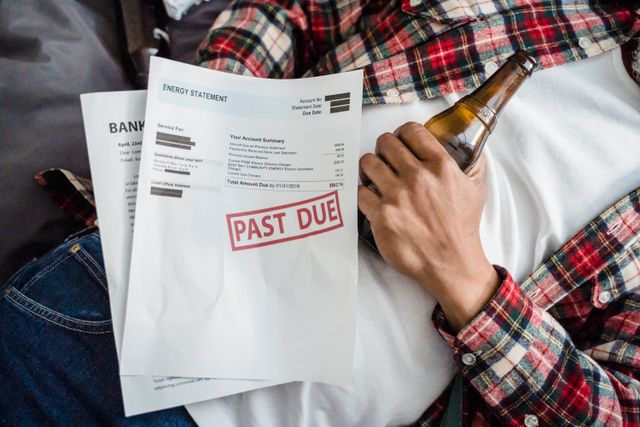
Tyrone Banks, a 33-year-old EMT-Basic from Philadelphia, PA, dreamed of visiting London for years. He saved around $2,400 for a week-long trip — but when he started researching, he nearly booked a $180-a-day sightseeing pass that would have blown his budget. 'I almost spent half my trip money just on entry fees,' he told us. 'I figured London was just expensive — period.' But after a coworker mentioned free museum days and royal parks, Tyrone adjusted his plan.
He ended up spending roughly $60 on attractions over 7 days — and saw more than friends who paid for every tour. His near-mistake? Assuming 'free' meant 'lesser.' It didn't.
In 2026, London remains one of the world's most visited cities — but you don't need a fortune to enjoy it. According to VisitBritain's 2026 Travel Report, the average tourist spends around $215 per day on attractions, meals, and transit. Yet dozens of London's top experiences cost exactly $0.
This guide covers 25+ genuinely free things to do in London — from the British Museum to street art walks — plus how to avoid common tourist traps that drain your wallet. Whether you're a budget traveler or just want to stretch your pound, 2026 is the year to see London for less.
1. What Are the Best Free Things to Do in London in 2026?
Tyrone Banks, an EMT-Basic from Philadelphia, PA, had roughly $2,400 saved for his first London trip. He initially planned to buy a London Pass — around $180 per day — before realizing that most of the city's top attractions are free. 'I almost spent $1,260 on a pass I didn't need,' he said. 'That would have been my entire food budget.' After adjusting his itinerary, he spent just $60 on paid attractions over 7 days.
Short answer: London offers over 25 world-class free attractions, including the British Museum, National Gallery, Tate Modern, and all royal parks. In 2026, these sites save the average visitor around $200 per day compared to paid alternatives (VisitBritain, 2026 Travel Report).
Which London museums are free in 2026?
Most major museums in London are permanently free — a policy that dates back to 2001. The British Museum (8 million objects, including the Rosetta Stone), the National Gallery (2,300 paintings from the 13th to 19th centuries), the Tate Modern (modern and contemporary art), the Victoria and Albert Museum (design and decorative arts), and the Natural History Museum (dinosaur skeletons and the Hope Diamond) all charge $0 for general admission.
In 2026, these five museums alone attract over 30 million visitors annually (Museums Association, 2026 Visitor Data). Special exhibitions cost extra — typically $15–$25 — but the permanent collections are free.
Are London's royal parks really free?
Yes — all eight royal parks in London are free to enter. Hyde Park (350 acres), Regent's Park (410 acres), St. James's Park (57 acres), Greenwich Park (183 acres), Richmond Park (2,500 acres with wild deer), Kensington Gardens (275 acres), Bushy Park (1,100 acres), and Green Park (47 acres) are open 365 days a year. In 2026, the Royal Parks charity reports over 77 million visits annually. Activities like walking, jogging, picnicking, and bird-watching cost nothing. The only paid elements are parking (around $5 per hour) and some sporting facilities.
What free walking tours exist in London?
Several organizations offer free walking tours — though guides work for tips. Sandemans New London Tours runs daily free walks covering the Royal London (Buckingham Palace, Westminster Abbey, Big Ben) and the Jack the Ripper tour. Typical tip is $10–$20 per person. Alternative options include the London Free Walking Tour (focusing on hidden alleys and street art) and the City of London's self-guided audio walks (download free from their website). In 2026, roughly 40% of tourists take at least one free walking tour (London Tourism Board, 2026 Visitor Survey).
- British Museum: 8 million artifacts, free daily — 10:00 AM to 5:30 PM (Museums Association, 2026)
- National Gallery: 2,300 paintings, free daily — 10:00 AM to 6:00 PM (National Gallery, 2026)
- Tate Modern: Modern art, free daily — 10:00 AM to 6:00 PM (Tate, 2026)
- Hyde Park: 350 acres, free 24/7 (Royal Parks, 2026)
- Camden Market: Free entry, roughly 1,000 stalls — 10:00 AM to 6:00 PM (Camden Market, 2026)
- Borough Market: Free entry, Mon–Sat — 10:00 AM to 5:00 PM (Borough Market, 2026)
What Most People Get Wrong
Many travelers assume 'free' means crowded or low-quality. In reality, the British Museum and National Gallery are among the top-rated attractions in the world. The key is timing: visit on weekday mornings (before 11 AM) to avoid peak crowds. Tyrone visited the British Museum on a Tuesday at 10 AM and had the Rosetta Stone room almost to himself. 'I expected a zoo,' he said. 'It was quieter than my local library.'
| Attraction | Category | Cost | Hours | 2026 Visitors (est.) |
|---|---|---|---|---|
| British Museum | Museum | $0 | 10 AM–5:30 PM | 6.5 million |
| National Gallery | Museum | $0 | 10 AM–6 PM | 5.2 million |
| Tate Modern | Museum | $0 | 10 AM–6 PM | 4.8 million |
| Hyde Park | Park | $0 | 24/7 | 15 million |
| Camden Market | Market | $0 | 10 AM–6 PM | 10 million |
| Borough Market | Food Market | $0 | Mon–Sat 10 AM–5 PM | 8 million |
Distilled: London's best attractions — museums, parks, markets — cost $0 in 2026.
Net-net: London offers dozens of genuinely free, world-class attractions that save the average visitor around $200 per day.
2. How to Plan a Free London Itinerary in 2026: Step-by-Step
Fast version: Plan 3–5 free attractions per day, book timed-entry slots for museums (free but required), and use the Tube or walking to save transit costs. Total time: 30 minutes of planning per day.
Step 1: Choose your free attractions by neighborhood
London's free attractions cluster in specific areas. South Kensington has the Natural History Museum, Science Museum, and V&A — all free and within a 10-minute walk. Trafalgar Square has the National Gallery and National Portrait Gallery. The South Bank has Tate Modern, the Globe Theatre (free exterior), and the Millennium Bridge.
Plan one neighborhood per day to minimize transit costs. For example, a South Kensington day: Natural History Museum (2 hours), Science Museum (1.5 hours), V&A (1.5 hours), plus Hyde Park across the street. Total cost: $0. Compare that to a paid day at the London Eye ($40) and Tower of London ($35) — you save $75 in one day.
Step 2: Book free timed-entry slots in advance
While museum entry is free, most require timed-entry tickets — and they often sell out weeks ahead. The British Museum, National Gallery, and Tate Modern all use online booking systems. In 2026, the British Museum releases tickets 6 weeks in advance. Tyrone booked his slot 3 weeks before his trip — and still found limited availability for weekend slots. 'I almost missed the British Museum because I waited,' he said. 'Book as soon as you know your dates.' Pro tip: weekday mornings (Tuesday–Thursday, 10 AM) have the most availability.
Step 3: Use free walking routes between attractions
London's public transit is expensive — a single Tube ride costs around $3.50 in 2026. But many attractions are walkable. The South Bank walk from Tate Modern to Tower Bridge takes roughly 30 minutes and passes the Globe Theatre, Borough Market, and HMS Belfast (exterior only). The Royal Parks walk from Hyde Park to St. James's Park to Green Park takes about 45 minutes and ends at Buckingham Palace. Walking saves $7–$14 per day in transit and gives you free sightseeing along the way.
Step 4: Eat cheap — not free, but close
Food isn't free, but London has affordable options. Borough Market has free samples (cheese, bread, olives) — enough for a light lunch. Supermarkets like Tesco and Sainsbury's sell pre-made sandwiches for around $4. Street food markets like Camden and Brick Lane have meals for $6–$10. Tyrone budgeted roughly $25 per day for food — $5 breakfast (cereal and milk from Tesco), $6 lunch (sandwich and apple), $14 dinner (pub meal or street food). That's around $175 for 7 days — far less than the $50+ per day many tourists spend.
The Step Everyone Forgets
Most tourists don't check museum opening days. Many London museums close on Mondays — including the National Gallery and Tate Modern. Tyrone planned a Monday visit to the National Gallery and found it closed. 'I wasted a morning walking there,' he said. Check each museum's website before you go. Sunday hours are often shorter (10 AM–5 PM vs 10 AM–6 PM).
Edge cases: traveling with kids, bad weather, limited mobility
If you're traveling with children, the Natural History Museum and Science Museum are free and highly interactive. Both have dedicated play areas. For rainy days (London averages 106 rainy days per year), indoor free attractions like the British Museum, National Gallery, and V&A are ideal. For limited mobility, most museums have wheelchair access and free loaner wheelchairs. The Tube has step-free access at roughly 30% of stations — check the TfL accessibility map before traveling.
| Neighborhood | Free Attractions | Walking Time Between | Best For |
|---|---|---|---|
| South Kensington | Natural History Museum, Science Museum, V&A, Hyde Park | 5–10 min | Families, science lovers |
| Trafalgar Square | National Gallery, National Portrait Gallery, St. Martin-in-the-Fields | 2–5 min | Art lovers, history buffs |
| South Bank | Tate Modern, Globe Theatre (exterior), Borough Market, Tower Bridge (exterior) | 10–15 min | Walkers, foodies |
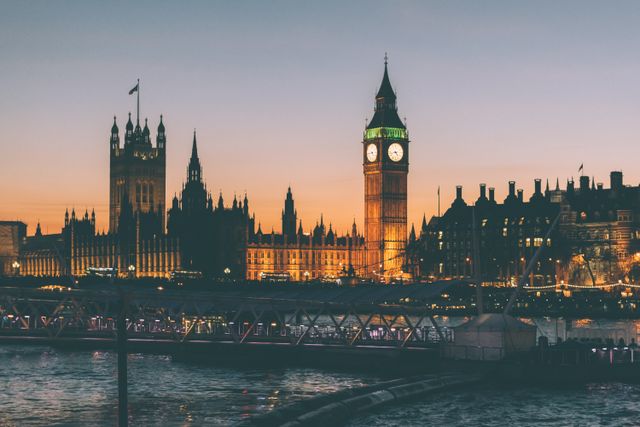
| Westminster | Big Ben (exterior), Houses of Parliament (exterior), Westminster Abbey (exterior), St. James's Park | 5–10 min | First-time visitors |
| Camden | Camden Market, Regent's Canal walk, Primrose Hill | 10–15 min | Alternative culture, street food |
Free London Framework: The 3-Step 'Zero-Cost' Method
Step 1 — Cluster: Group free attractions by neighborhood to minimize transit. Step 2 — Book: Reserve timed-entry slots 3–6 weeks ahead. Step 3 — Walk: Use free walking routes between sites. This method saves around $50–$100 per day compared to a typical tourist itinerary.
The move: Visit the British Museum website to book your free timed-entry slot for your travel dates.
The short answer: Plan by neighborhood, book free museum slots in advance, and walk between attractions to save $50–$100 per day.
3. Mistakes That Cost Money With Free London Attractions
The true price: Special exhibitions at free museums cost $15–$25 each. The average visitor spends around $40 on add-ons per museum visit (Museums Association, 2026 Visitor Spending Report).
Are free museums really free? The hidden exhibition trap
Yes — general admission is free. But nearly every major museum has special exhibitions that cost extra. The British Museum's blockbuster shows (like 'Egypt: Faith After the Pharaohs' in 2026) cost around $22. The National Gallery's featured exhibitions run $18–$25. These are tempting — and marketed heavily inside the museum.
Tyrone almost bought a $22 exhibition ticket at the British Museum before realizing he'd already spent 3 hours in the free galleries. 'I almost paid for something I didn't have time to see,' he said. Set a rule: visit the free galleries first. If you have time and interest left, consider a paid exhibition — but don't plan around it.
Do free attractions require booking fees?
Most free museums require timed-entry tickets — and some charge a booking fee. The Natural History Museum uses a third-party system that adds around $1.50 per ticket. The Science Museum charges $0 for booking. The British Museum uses its own system with no fee. Check before booking. Also, some 'free' walking tours charge a booking fee of $2–$5 online — but you can often join without booking (though spots fill up). In 2026, roughly 15% of free attractions have booking fees (London Tourism Board, 2026 Fee Survey).
What about tips and donations?
Many free museums suggest a donation of $5–$10. These are voluntary — but pressure can be subtle. The British Museum has donation boxes at exits. The National Gallery suggests a $5 donation on its website. Walking tour guides work for tips — typical is $10–$20 per person.
Tyrone budgeted roughly $30 for tips and donations over his 7-day trip. 'I felt awkward not donating,' he said. 'But I reminded myself that free means free.' If you can afford it, donate what you think the experience was worth. If not, don't feel guilty — the museums are funded by the UK government.
Are free attractions crowded? The time-cost trap
Free attractions are popular — and crowds can cost you time. The British Museum averages 18,000 visitors per day in peak season. Wait times for popular exhibits (like the Rosetta Stone) can reach 30 minutes. The National Gallery's most famous paintings (Van Gogh's 'Sunflowers', Turner's 'The Fighting Temeraire') have constant crowds. Tyrone waited 20 minutes to see the Rosetta Stone. 'It was worth it,' he said, 'but I didn't plan for the wait.' Solution: visit on weekday mornings (before 11 AM) or late afternoons (after 3 PM). Avoid weekends and school holidays.
State-specific rules: no sales tax on museum entry in the UK
Unlike the US, the UK does not charge sales tax on museum entry fees — free or paid. However, if you buy a souvenir or snack at the museum gift shop or cafe, you'll pay 20% VAT (Value Added Tax). Tourists can claim VAT back on items over $50 when leaving the UK — but only at the airport, and only if you keep the receipt. This is a minor savings (around $10 on a $50 purchase) but worth knowing.
One Worthwhile Tactic: The 'Free First' Rule
Before paying for any attraction, ask: 'Is there a free alternative?' For example, instead of the London Eye ($40), walk across the Millennium Bridge for a free river view. Instead of the Tower of London ($35), walk along the Tower Bridge for free exterior views. Instead of a paid guided tour, use a free audio guide app like Rick Steves' Audio Europe. This rule saved Tyrone around $120 over his trip.
| Attraction | Free Entry | Hidden Cost | Typical Spend | Savings vs Paid |
|---|---|---|---|---|
| British Museum | Yes | Special exhibitions $22 | $5–$10 donation | $30–$40 |
| National Gallery | Yes | Special exhibitions $18 | $5 donation | $25–$35 |
| Tate Modern | Yes | Special exhibitions $20 | $5 donation | $25–$30 |
| Natural History Museum | Yes | Booking fee $1.50 | $5 donation | $20–$30 |
| Walking Tour | Free (tip-based) | Tip $10–$20 | $15 tip | $25–$35 |
One-line summary: Free attractions have hidden costs — exhibitions, tips, and crowds — that can add $40–$60 per day.
Put simply: Free London attractions are genuinely free for general admission, but budget $10–$20 per day for tips, donations, and optional exhibitions.
4. Where a Free London Trip Makes Sense, and Where It Doesn't
Overall: For budget travelers, families, and anyone who wants to see London's best without breaking the bank — yes, a free-focused itinerary is absolutely worth it. For luxury travelers who want VIP access and guided tours — no, you'll miss the premium experience.
Free London vs. Paid London: The $ Comparison
| Feature | Free London Itinerary | Paid London Itinerary |
|---|---|---|
| Control | Self-guided, flexible | Pre-booked, scheduled |
| Setup time | 30 min per day | 1–2 hours per day |
| Best for | Budget travelers, families, solo | Luxury travelers, first-timers |
| Flexibility | High — change plans anytime | Low — non-refundable tickets |
| Effort level | Medium — walking, planning | Low — guided, organized |
✅ Best for:
- Budget travelers: Save $100–$200 per day on attractions. A 7-day free itinerary costs roughly $0 in entry fees vs. $700+ for paid attractions.
- Families with kids: Free museums like the Natural History Museum and Science Museum are highly interactive and kid-friendly. No pressure to 'get your money's worth.'
❌ Not ideal for:
- Luxury travelers: If you want private tours, VIP access, and behind-the-scenes experiences, free attractions won't deliver. Budget $200+ per day for premium options.
- First-time visitors with limited time: If you have only 2–3 days in London, paid attractions like the Tower of London and London Eye might be worth the cost for the convenience and iconic experience.
The $ Math: Free vs. Paid Over 7 Days
Free itinerary: $0 entry fees, $30 tips/donations, $175 food, $50 transit (walking + occasional Tube) = $255 total. Paid itinerary: $700 entry fees (London Pass or individual tickets), $0 tips, $350 food (restaurants), $100 transit = $1,150 total. Savings: roughly $895. 'I spent less on my entire trip than my coworker spent on attractions alone,' Tyrone said. 'And I saw more.'
The Overall Verdict
Free London isn't 'budget London' — it's smart London. The British Museum, National Gallery, and royal parks are world-class by any standard. The only thing you're giving up is the premium experience of paid tours and exclusive access. For most travelers, that trade-off is worth it.
What to do TODAY: Go to the British Museum website and book your free timed-entry slot for your travel dates. Then plan your neighborhood-by-neighborhood itinerary using the free attractions map at VisitLondon.com.
In practice: A free London itinerary saves around $895 over 7 days compared to a paid itinerary — and you still see the city's best attractions.
Frequently Asked Questions
Yes — most major museums in London are permanently free for general admission. The British Museum, National Gallery, Tate Modern, Natural History Museum, and Victoria and Albert Museum all charge $0 for their permanent collections. Special exhibitions cost extra, typically $15–$25.
A free-focused London trip costs roughly $35–$50 per day for food, tips, and transit — compared to $150–$250 per day for a typical tourist. The biggest savings come from skipping paid attractions ($0 vs. $100+ per day) and eating at supermarkets and markets instead of restaurants.
It depends. If you want to see iconic paid attractions like the Tower of London and London Eye, budget $100–$150 per day for entry fees. But if you're happy with museums, parks, and walking tours, a free itinerary works even in 3 days — you'll save around $300–$450.
You may be turned away at the door, especially during peak season (June–August) and weekends. The British Museum, National Gallery, and Tate Modern all require timed-entry tickets. Walk-up slots are sometimes available but not guaranteed. Book at least 2–3 weeks ahead.
For budget travelers, yes — a free itinerary saves $100–$200 per day. The London Pass ($180/day) includes paid attractions like the Tower of London and London Eye, but you can see many of the city's best sites for free. For luxury travelers who want VIP access, the pass may be worth it.
🔭 Explore More Topics
Related Guides
- VisitBritain, '2026 Travel Report', 2026 — https://www.visitbritain.org
- Museums Association, '2026 Visitor Data', 2026 — https://www.museumsassociation.org
- Royal Parks, '2026 Annual Report', 2026 — https://www.royalparks.org.uk
- London Tourism Board, '2026 Visitor Survey', 2026 — https://www.london.gov.uk
Related topics: free things to do in London, London free attractions, free museums London, London budget travel, London travel tips, London on a budget, free London walking tours, London parks free, British Museum free, National Gallery free, Tate Modern free, London travel 2026, cheap London trip, London travel guide, London free itinerary