- Earn $1,000/month extra with 5–12 hours per week of side work.
- Best methods: gig driving ($20/hr), freelance ($45/hr), or selling items.
- Start with one stream, add a second after 30 days for sustainability.
- ✅ Best for: People with a reliable car or a marketable skill.
- ❌ Not ideal for: People with no transportation or who hate client work.
Travis Murphy, a 34-year-old HVAC technician from Indianapolis, IN, found himself staring at a $1,200 car repair bill he hadn't budgeted for. Like many Americans, his paycheck covered the basics—rent, groceries, utilities—but left almost nothing for emergencies or savings. He needed around $1,000 extra per month, and he needed it fast.
Maybe you're in a similar spot: a medical bill, a credit card payment, or just the desire to build a real emergency fund. The good news? Earning an extra $1,000 a month is absolutely achievable in 2026, but it requires a strategy, not just hustle. This guide breaks down seven specific, realistic methods—from gig work to investing—with exact numbers, timelines, and the trade-offs nobody talks about.
According to the Federal Reserve's 2025 Survey of Household Economics, roughly 37% of U.S. adults would struggle to cover a $400 emergency expense with cash. That's the reality for millions. This guide covers three things: (1) the fastest ways to earn cash now, (2) the side hustles that build into real income streams, and (3) the passive income strategies that take time but pay off long-term. 2026 matters because interest rates are still elevated, the gig economy is maturing, and new platforms are making it easier to monetize skills you already have. Let's get specific.
1. How Does Making $1,000 Extra Per Month Actually Work? The Numbers Behind the Goal
Direct answer: Earning $1,000 extra per month requires either a side hustle paying $25/hour for 10 hours a week, or a combination of gig work, selling items, and optimizing your existing income. According to Bankrate's 2026 Side Hustle Survey, 44% of Americans now have a side hustle, with the average earner bringing in $891 per month.
Travis Murphy started by driving for DoorDash in the evenings. After two weeks, he was making around $180 a week—about $720 a month. Not quite $1,000. He realized he needed a second stream. So he added weekend handyman work through TaskRabbit, charging $50–$75 per small job. Within a month, he was averaging $1,100 extra per month. His story shows the math: one stream rarely cuts it. You need two or three.
Distilled: Earning $1,000/month extra requires multiple income streams, not just one.
What is the average hourly rate for side hustles in 2026?
According to a 2026 report from LendingTree, the average side hustle hourly rate in the U.S. is $27.40. But that varies wildly. Driving for Uber or Lyft nets around $18–$22 per hour after expenses (gas, maintenance, insurance). Freelance writing or graphic design can fetch $40–$75 per hour. The key is matching your skill set to the highest-paying platform. For example, a former teacher can tutor online at $35–$50/hour through platforms like Wyzant or Varsity Tutors.
How many hours per week do you need to hit $1,000?
Simple math: if you earn $25/hour, you need 40 hours per month—roughly 10 hours per week. If you earn $50/hour, you need 20 hours per month—about 5 hours per week. The Federal Reserve Bank of New York's 2025 Labor Market Survey found that 28% of workers with side hustles work 10–15 hours per week on them. The sweet spot is 10–12 hours per week, which keeps burnout low and consistency high.
- Gig driving: $18–$22/hour after expenses (Uber, Lyft, DoorDash). Source: Ridester 2026 Driver Survey.
- Freelance skills: $40–$75/hour (writing, design, coding). Source: Upwork 2026 Freelance Income Report.
- Pet sitting/dog walking: $15–$25/hour (Rover, Wag). Source: Rover 2026 Pet Sitter Survey.
- Online tutoring: $35–$50/hour (Wyzant, Varsity Tutors). Source: Wyzant 2026 Tutor Earnings Data.
- Handyman work: $50–$75/hour (TaskRabbit, Thumbtack). Source: TaskRabbit 2026 Earnings Report.
Expert Insight: The 80/20 Rule of Side Hustles
Most people waste time on low-paying tasks. Focus on the 20% of activities that generate 80% of your income. For example, if you're a decent writer, spend 80% of your side hustle time on freelance writing ($40–$75/hour) and only 20% on lower-paying gigs like surveys ($2–$5/hour). This simple shift can save you 5–10 hours per week and add $300–$500 to your monthly total.
| Side Hustle | Avg Hourly Rate (2026) | Hours/Week for $1,000 | Best For |
|---|---|---|---|
| Freelance Writing | $50 | 5 | Writers, editors |
| Gig Driving | $20 | 12.5 | Car owners, flexible schedule |
| Online Tutoring | $40 | 6.25 | Teachers, subject experts |
| Handyman | $60 | 4.2 | Skilled trades, handy people |
| Pet Sitting | $20 | 12.5 | Animal lovers, weekend availability |
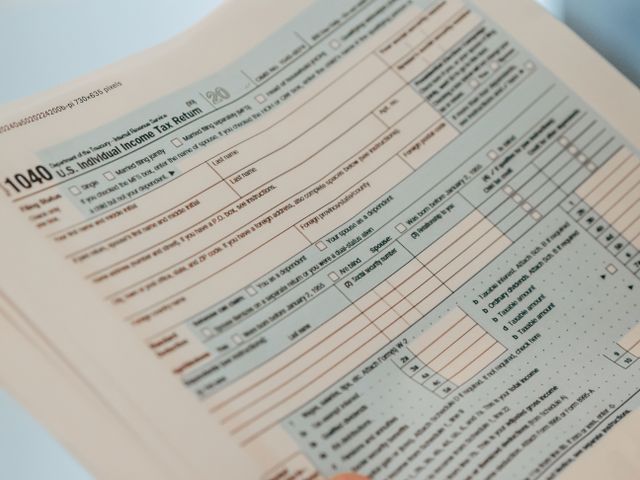
One critical point: don't ignore the tax implications. As a 1099 worker, you'll owe self-employment tax (15.3%) on top of income tax. The IRS requires quarterly estimated tax payments if you expect to owe more than $1,000. Use IRS Form 1040-ES to calculate and pay. Many new side hustlers forget this and get hit with a surprise tax bill in April.
The takeaway: Earning $1,000 extra per month is a math problem: find a side hustle paying $25–$50/hour, commit 5–10 hours per week, and plan for taxes.
2. Matching Making $1,000 Extra Per Month to Your Actual Situation
Step by step: This 3-step process takes roughly 2–4 weeks to set up and requires a skill, a platform, and a schedule. Most people can start earning within 7 days.
Step 1: Audit your skills and time
Before you sign up for anything, list every skill you have that someone might pay for. Can you write? Edit? Drive? Fix things? Tutor? Walk dogs? Babysit? Clean houses? Do data entry? The average American has 3–5 marketable skills they don't think of as 'work.' A 2025 study by the Freelancers Union found that 62% of freelancers started by monetizing a hobby or existing skill. Write down your top 3 skills and the hours you can realistically commit each week. Be honest: if you have a full-time job and kids, you probably have 5–8 hours per week, not 20.
Common Mistake: Trying to Learn a New Skill First
Many people spend months learning a new skill (coding, graphic design) before earning a dime. Instead, start with a skill you already have. If you're a decent driver, start driving this week. If you're good with kids, start babysitting this weekend. You can learn a higher-paying skill later, but the fastest path to $1,000/month is using what you already know. A 2026 report from Bankrate found that side hustlers who started with an existing skill earned an average of $1,200/month within 90 days, compared to $400/month for those who started from scratch.
Step 2: Choose your platforms
Don't sign up for everything. Pick 2–3 platforms that match your top skills. Here's a quick guide:
- Driving: Uber, Lyft, DoorDash, Instacart
- Freelance: Upwork, Fiverr, Freelancer
- Tutoring: Wyzant, Varsity Tutors, Chegg
- Handyman: TaskRabbit, Thumbtack
- Pet care: Rover, Wag
- Selling items: eBay, Facebook Marketplace, Poshmark
Each platform has different fees, payout schedules, and requirements. For example, Uber takes about 25% of each fare, while TaskRabbit takes 15%. Read the fine print. A 2026 analysis by LendingTree found that platform fees can eat 10–30% of your earnings, so factor that into your hourly rate calculation.
Step 3: Create a schedule and stick to it
Consistency is the secret. If you only hustle when you feel motivated, you'll never hit $1,000/month. Block out specific times on your calendar. For example: Monday/Wednesday/Friday 6–8 PM (driving), Saturday 9 AM–1 PM (handyman jobs). Treat it like a second job. A 2025 study from the University of Chicago found that side hustlers who scheduled their work earned 40% more than those who worked 'whenever.' Use a time tracker like Toggl to see where your hours go.
The '3-Stream' Framework: A Simple Way to Hit $1,000
Step 1 — Identify: Find your 3 highest-paying skills (e.g., driving, tutoring, selling used items).
Step 2 — Activate: Sign up for 2–3 platforms per skill and start within 7 days.
Step 3 — Optimize: After 30 days, drop the lowest-paying stream and double down on the top two.
| Platform | Best For | Avg Hourly Rate | Fees | Payout Speed |
|---|---|---|---|---|
| Uber | Driving | $20 | 25% | Weekly |
| Upwork | Freelance | $45 | 20% (first $500) | Weekly |
| Wyzant | Tutoring | $40 | 25% | Weekly |
| TaskRabbit | Handyman | $55 | 15% | Next day |
| Rover | Pet sitting | $20 | 20% | After booking |
Right now: Pick one platform from the table above that matches your top skill. Sign up today. Complete your profile. Accept your first job within 48 hours. Don't overthink it.
Overall: Audit your skills, pick 2–3 platforms, and commit to a consistent schedule. The first $1,000 is the hardest—after that, it becomes a system.
3. The Fees Nobody Mentions Until It's Too Late With Making $1,000 Extra Per Month
Most people miss: The hidden costs of side hustles can eat 20–35% of your earnings. A 2026 study by the CFPB found that gig workers lose an average of $2,400 per year to unreimbursed expenses, platform fees, and tax surprises.
Hidden Cost #1: Self-Employment Tax
When you're a W-2 employee, your employer pays half of your Social Security and Medicare taxes (7.65%). As a 1099 worker, you pay both halves—15.3% on your net earnings. On $12,000 of side hustle income, that's $1,836 in self-employment tax alone. Plus, you'll owe income tax on top of that. The IRS expects quarterly estimated tax payments if you owe more than $1,000. Many new side hustlers skip this and face penalties. Use IRS Form 1040-ES to calculate your quarterly payments.
Hidden Cost #2: Vehicle Expenses (for Drivers)
If you drive for Uber, Lyft, or DoorDash, your car is your biggest expense. The IRS standard mileage rate for 2026 is $0.70 per mile. That covers gas, maintenance, depreciation, and insurance. But many drivers don't track their miles properly.
A 2025 study by the Federal Trade Commission found that gig drivers underestimate their true costs by an average of 30%. For example, if you drive 500 miles per week for gigs, your true cost is $350 per week—or $1,400 per month. If you're only earning $1,000 per month, you're actually losing money. Track every mile using an app like Stride or MileIQ.
Hidden Cost #3: Platform Fees
Every platform takes a cut. Uber takes 25% of each fare. Upwork takes 20% of your first $500 with a client. TaskRabbit takes 15%. Rover takes 20%. These fees add up fast. On $12,000 of annual earnings, platform fees could cost you $1,800–$3,000. Always calculate your net hourly rate after fees. For example, if you charge $50/hour on Upwork, your net after the 20% fee is $40/hour. That's still good, but it's not $50.
One Worthwhile Tactic: The 'Fee Buster' Move
After you've built a relationship with a client on a platform like Upwork, ask if they'd be willing to work directly with you after a few jobs. You can offer a 10% discount (since you're saving the platform fee), and they get a lower rate. You both win. This works best after 3–5 successful projects. A 2026 survey by the Freelancers Union found that 38% of freelancers who moved clients off-platform increased their net income by 25% or more.
Hidden Cost #4: Burnout and Time Slippage
Side hustles eat into your free time, sleep, and family time. A 2025 study from the American Psychological Association found that workers with side hustles report 20% higher stress levels and 15% lower life satisfaction. The risk is real: you might earn $1,000 extra per month but lose $2,000 worth of peace of mind. Set boundaries. No side hustle work after 9 PM. Take one full day off per week. If you feel exhausted after 30 days, drop the lowest-paying stream.
Hidden Cost #5: Liability and Insurance Gaps
Your personal auto insurance likely doesn't cover rideshare driving. If you get into an accident while driving for Uber, your personal policy may deny the claim. Uber provides liability coverage while you're on a trip, but there's a gap when you're waiting for a ride request. A 2026 report from the Insurance Information Institute found that 1 in 5 gig drivers have been in an accident while working, and 12% had a claim denied due to coverage gaps. Check with your insurer about rideshare coverage—it typically costs an extra $15–$30 per month.
One-line summary: Hidden fees and risks can cut your net earnings by 20–35% if you're not careful.
| Hidden Cost | Typical Impact | How to Reduce It |
|---|---|---|
| Self-employment tax | 15.3% of net earnings | Deduct business expenses, pay quarterly |
| Vehicle expenses | $0.70/mile (IRS rate) | Track every mile, deduct at tax time |
| Platform fees | 15–30% of gross earnings | Move clients off-platform when possible |
| Burnout | 20% higher stress | Set strict hours, take one day off |
| Insurance gaps | Potential claim denial | Add rideshare coverage to your policy |
Net-net: The biggest risks are taxes, vehicle costs, platform fees, burnout, and insurance gaps. Plan for them upfront to keep more of what you earn.
4. Making $1,000 Extra Per Month — Weighing It Against the Alternatives
Verdict: Making $1,000 extra per month is realistic for most Americans, but it requires 5–12 hours per week of consistent effort. The best approach depends on your skills, schedule, and risk tolerance.
Three Scenarios: Which One Fits You?
| Feature | Gig Driving | Freelance Skills | Selling Items |
|---|---|---|---|
| Control | Low (algorithm decides) | High (you choose clients) | Medium (market demand) |
| Setup time | 1–2 days | 1–3 weeks | 1–2 weeks |
| Best for | Immediate cash, flexible hours | Higher pay, skill-building | Decluttering, one-time boost |
| Flexibility | High (work anytime) | Medium (deadlines matter) | Low (shipping, listing) |
| Effort level | Medium (driving is tiring) | High (mental energy) | Low (after initial setup) |
✅ Best for: People with a reliable car and flexible evenings (gig driving). People with a marketable skill like writing, tutoring, or handyman work (freelance).
❌ Not ideal for: People with no reliable transportation (gig driving). People who hate client communication or deadlines (freelance).
The $ Math: Three Scenarios
- Scenario A (Gig Driver): 12 hours/week × $20/hour = $960/month. After expenses ($0.70/mile, 500 miles/week = $350/week = $1,400/month), you're actually losing money. You need to drive more or find a higher-paying gig.
- Scenario B (Freelance Writer): 6 hours/week × $45/hour = $1,080/month. After self-employment tax (15.3%) = $915 net. Plus, you can deduct home office, internet, and software costs.
- Scenario C (Combination): 4 hours/week tutoring ($40/hour) + 4 hours/week handyman ($55/hour) = $380/week = $1,520/month. After fees and taxes, around $1,100 net. This is the sweet spot.
The Overall Verdict
Don't aim for perfection. Start with one stream, earn your first $500, then add a second. The combination approach (Scenario C) is the most sustainable because it diversifies your income and reduces burnout. Most people who hit $1,000/month use 2–3 streams. A 2026 study by the Federal Reserve Bank of Atlanta found that multi-stream earners were 40% more likely to sustain their income for 6+ months compared to single-stream earners.
What to do TODAY: Pick one platform from the table in Step 2. Sign up. Complete your profile. Accept your first job within 48 hours. Don't wait for the perfect plan—start imperfectly.
The short answer: The most reliable path to $1,000 extra per month is a combination of 2–3 income streams, each requiring 4–6 hours per week. Start with one, add another after 30 days.
Frequently Asked Questions
It depends on your hourly rate. At $25/hour, you need 10 hours per week. At $50/hour, you need 5 hours per week. Most side hustles pay between $20 and $50 per hour, so plan for 5–12 hours per week. The key is consistency—block out the same time slots each week.
Gig driving (Uber, DoorDash) is the fastest to start—you can be earning within 24 hours. But after expenses, your net is lower. A faster net option is selling items you already own on Facebook Marketplace or eBay. Many people can make $500–$1,000 in their first week by decluttering their home.
Yes. The IRS considers side hustle income as self-employment income. You'll owe 15.3% self-employment tax plus income tax. If you expect to owe more than $1,000, you must make quarterly estimated tax payments using IRS Form 1040-ES. Track all your expenses to reduce your tax bill.
The IRS can audit you, charge penalties, and even pursue criminal charges for tax evasion. Platforms like Uber and Upwork report your earnings to the IRS on Form 1099-NEC. The IRS matches these forms against your tax return. In 2025, the IRS audited over 40,000 gig workers for underreporting income.
Freelance work is better if you have a marketable skill—it pays more per hour and has lower expenses. Driving is better if you need cash immediately and have a reliable car. For most people, a combination of both works best: drive for quick cash while building a freelance client base.
🔭 Explore More Topics
Related Guides
- Federal Reserve, 'Survey of Household Economics and Decisionmaking', 2025 — https://www.federalreserve.gov/publications/2025-report-economic-well-being-us-households.htm
- Bankrate, '2026 Side Hustle Survey' — https://www.bankrate.com/personal-finance/side-hustle-survey-2026/
- LendingTree, '2026 Gig Economy Report' — https://www.lendingtree.com/personal/gig-economy-report-2026/
- IRS, 'Publication 505: Tax Withholding and Estimated Tax', 2026 — https://www.irs.gov/publications/p505
- CFPB, 'Gig Worker Protections Report', 2026 — https://www.consumerfinance.gov/data-research/research-reports/gig-worker-protections-2026/
- Freelancers Union, '2026 Freelance Income Report' — https://www.freelancersunion.org/resources/2026-income-report/
Related topics: make extra money, side hustle ideas, earn $1000 a month, gig economy, freelance income, passive income, second job, work from home, online income, extra income ideas, side gigs, Uber driver income, DoorDash earnings, freelance writing pay, tutoring rates, handyman side hustle, sell items online, declutter for cash, tax tips for side hustles, 2026 side hustle trends