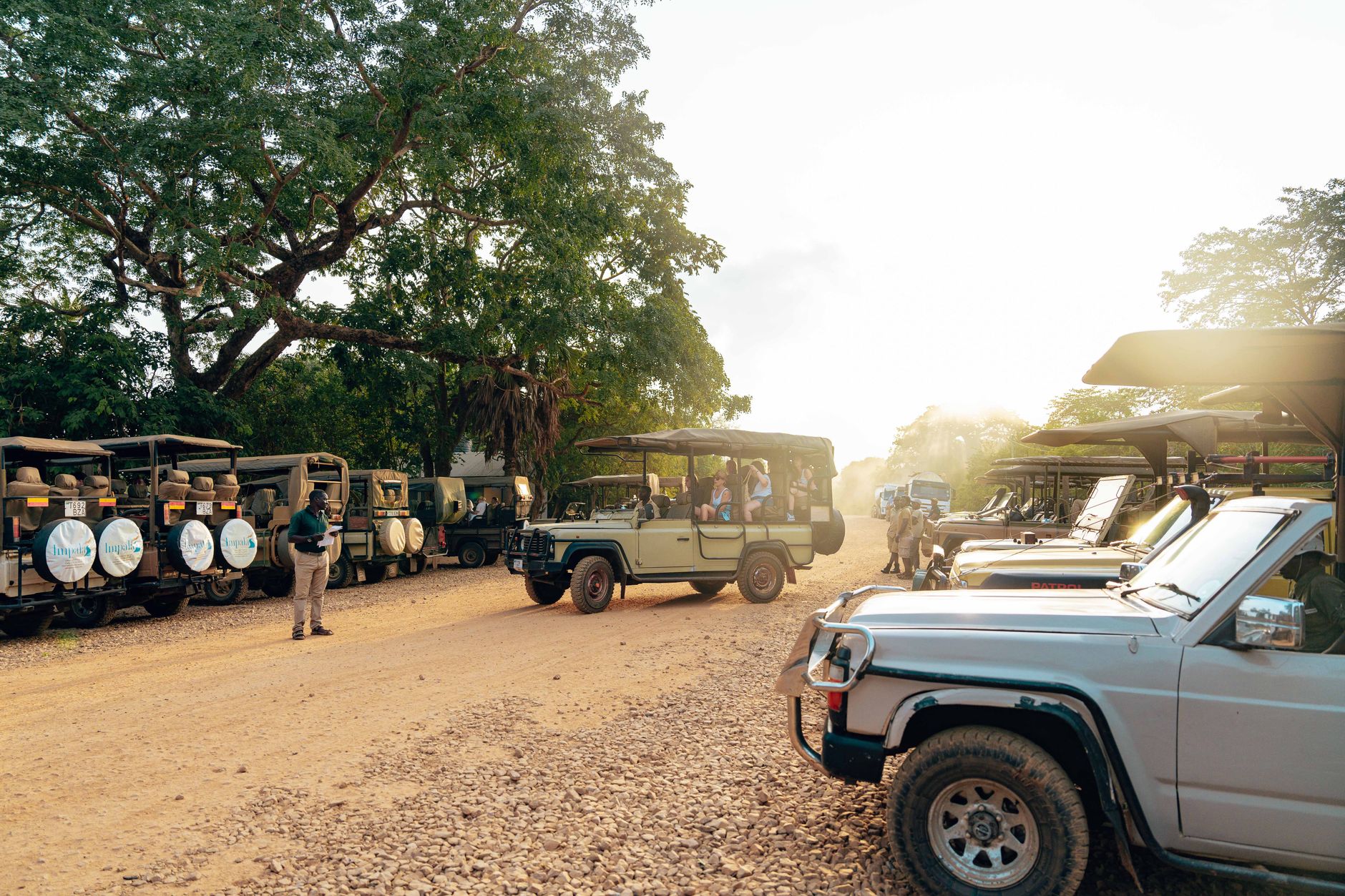
- African safari: a guided trip to observe wildlife in natural habitats.
- Average 7-day safari costs $1,700–$11,500 per person (excluding flights).
- Book 8–12 months ahead for peak season; use a USTOA-accredited operator.
- ✅ Best for: first-time safari travelers who want a stress-free planning guide.
- ❌ Not ideal for: experienced travelers who prefer spontaneous, unguided trips.
Planning an African safari is thrilling — but the costs, logistics, and sheer number of choices can quickly become overwhelming. Download this 2026 safari travel PDF guide for a complete, step-by-step plan that covers everything from choosing the right park to packing your first-aid kit.
We’ve crunched the numbers from tour operators, government tourism boards, and travel insurance providers to give you the most accurate 2026 budget and planning data available. Whether you’re a solo traveler, a couple, or a family of four, this guide will help you avoid costly mistakes and make your dream safari a reality.
1. Step 1: Choose Your Safari Destination and Season
Answer this first: Where do you want to go, and when? The Big Five (lion, leopard, elephant, rhino, buffalo) are most visible from June to October, the dry season, when animals gather around water sources. But that’s also peak season, meaning higher prices and crowds. If you’re on a tighter budget, the green season (November to March) offers lower rates, lush landscapes, and newborn animals — though some roads may be muddy and leeches a problem in rainforest areas.
Which country fits your style and budget?
- Kenya & Tanzania — The classic savanna experience (Masai Mara, Serengeti). Best for first-timers. Mid-range safari: $350–$600 per person per day.
- South Africa — Self-drive options in Kruger National Park keep costs down. Budget self-drive: $150–$250 per person per day. Family-friendly.
- Botswana — Exclusive, high-end, low-impact tourism. Expect $800–$1,500 per person per day. Best for luxury travelers.
- Namibia — Self-drive through Etosha and dunes. Great for adventure travelers. Budget self-drive: $200–$350 per person per day.
Pro Tip
Book at least 8–12 months ahead for peak season (June–October). For green season, 3–6 months is usually fine. Use a reputable tour operator accredited by the Adventure Travel Trade Association (ATTA).
According to the World Travel & Tourism Council (WTTC), 2026 safaris are seeing a 12% increase in demand versus 2023. To avoid disappointment, confirm availability and park fees directly with national park authorities — many (like Tanzania National Parks) require advance booking for certain campsites.
2. Step 2: Budget Your Safari — 2026 Cost Breakdown
How much will a 2026 safari actually cost? Let’s break it down. The biggest line items are flights, accommodation, park fees, and the tour itself. Here’s a realistic range for a 7-day safari for one person (excluding international flights).
| Expense | Budget (per person) | Mid-Range (per person) | Luxury (per person) |
|---|---|---|---|
| Safari tour (full board) | $1,200–$2,000 | $2,500–$4,000 | $5,000–$10,000 |
| National park fees (7 days) | $200–$400 | $200–$400 | $200–$400 |
| Tips (guides, camp staff) | $100–$200 | $150–$300 | $200–$500 |
| Travel insurance (medical + evacuation) | $50–$100 | $50–$100 | $100–$200 |
| Visas & miscellaneous | $150–$300 | $150–$300 | $200–$400 |
| Total (per person, 7 days) | $1,700–$3,000 | $3,050–$5,100 | $5,500–$11,500 |
Flights from the U.S. to Nairobi or Johannesburg in 2026 average $1,100–$1,800 (round-trip) according to Expedia and Kayak data. Departing from a major hub like New York, Chicago, or Atlanta may save up to $300. Book at least 3–4 months ahead for the best fares.
How to save money
- Go during green season (November–March) — prices drop 30–40%.
- Join a group (6–10 people) instead of a private safari — cuts costs by up to 50%.
- Self-drive in South Africa or Namibia — save on guide costs but pay for car rental and fuel.
- Use a travel rewards credit card for flights and insurance — Chase Sapphire Preferred or Capital One Venture both offer no foreign transaction fees and travel insurance.
One hidden cost: park fees are often cash-only for certain parks (like Kruger National Park). Check official park websites and carry local currency or USD for those payments.
Plan Your Safari on the Go
Access your PDF guide, budget calculator, and packing checklist anytime on the MONEYlume app.
CHECK MY RATE — NO CREDIT CHECK⚡ Takes 2 minutes · No SSN required · 100% free
3. Step 3: Packing and Medical Prep for a 2026 Safari
What do you actually need to pack for a 2026 safari? Forget the multiple outfits — you need functional, lightweight, and neutral-colored clothing (khaki, beige, olive). Avoid dark blue and black (attracts tsetse flies) and white (too bright for wildlife viewing).
The 2026 Safari Packing List
- Clothing: 3 pairs of lightweight, long-sleeved shirts, 2 pairs of convertible pants, a fleece or light jacket (mornings can be 50°F/10°C), a wide-brim hat, and a buff/scarf for dust.
- Footwear: One pair of sturdy walking shoes/hiking boots and one pair of comfortable sandals for camp.
- Gear: Binoculars (8x42 is ideal), headlamp, power bank (solar-charging options are great), and a dry bag for electronics.
- Health & safety: First-aid kit (including Imodium, antihistamines, pain relievers), bandages, and antiseptic. Insect repellent with at least 30% DEET.
Important: Malaria is present in most safari regions. According to the Centers for Disease Control and Prevention (CDC) 2025-2026 travel guidelines, you should take prescription antimalarial medication (doxycycline, atovaquone-proguanil, or mefloquine) starting 1–2 days before travel, during, and for one week after. Talk to your doctor 4–6 weeks before departure.
Vaccinations and documentation
- Yellow fever: Required if traveling from a country with risk (confirm with your destination's embassy).
- Typhoid, Hepatitis A & B, Tetanus: Recommended for all travelers.
- COVID-19: No specific restrictions as of 2026, but check entry requirements for your destination (e.g., Kenya no longer requires proof of vaccination).
Carry a printed copy of your travel insurance policy with medical evacuation coverage. World Nomads and SafetyWing both offer policies covering safari-specific risks. According to InsureMyTrip (2025 data), the average medical evacuation from East Africa costs $50,000–$100,000 — don’t skip insurance.
Plan Your Safari on the Go
Access your PDF guide, budget calculator, and packing checklist anytime on the MONEYlume app.
CHECK MY RATE — NO CREDIT CHECK⚡ Takes 2 minutes · No SSN required · 100% free
4. Step 4: Book Your Safari — Tour Operators, Insurance, and Logistics
How do you book a safari without getting scammed or overpaying? The golden rule: never pay the full amount upfront. Reputable operators ask for a 25–50% deposit, with the balance due 30–60 days before departure. Use a credit card (Visa, Mastercard, Amex) for protection — wire transfers are risky.
Choosing a tour operator
- Look for operators accredited by the Adventure Travel Trade Association (ATTA) or USTOA. These organizations require financial safeguards.
- Read reviews on Safaribookings.com and TripAdvisor. Over 500 reviews is a good sign.
- Ask for references and a detailed itinerary — including vehicle type, accommodation, and guides.
- Avoid operators that push for same-day booking — legitimate operators give you time to decide.
Travel insurance: non-negotiable
Beyond standard medical and trip cancellation, make sure your policy includes medical evacuation to a hospital and repatriation of remains. World Nomads and Allianz Travel both offer policies specifically for safari travelers. Compare at Squaremouth.com — you can filter by “safari” coverage. Expect to pay $50–$200 for a 7-day trip, depending on age and coverage limits.
Getting there and getting around
Most international flights arrive in Nairobi (Kenya), Johannesburg (South Africa), or Arusha (Tanzania). From there, domestic flights (often on Airkenya or FlySafair) take you closer to the park. Budget $200–$500 for internal flights. Alternatively, many operators include transfer from the capital in the package price.
For self-drive safaris, rent a 4x4 diesel car (Toyota Hilux or similar) from Avis or Hertz in South Africa or Namibia. Daily rental: $50–$120 plus fuel ($1.15–$1.40/liter in 2026). Check if your credit card covers collision damage waiver — Chase Sapphire Preferred and Capital One Venture both offer primary rental car insurance.
Frequently Asked Questions
A safari travel PDF is a downloadable, offline guide that consolidates all essential information for planning and executing a safari trip — budget, packing lists, medical prep, and booking tips. You need one because cellular data in game parks is often unreliable or nonexistent. A PDF ensures you have critical details (like medication schedules, park fees, and emergency contacts) on your phone or tablet even without internet access.
For a 7-day safari, budget travelers can expect to spend $1,700–$3,000 per person (excluding international flights). Mid-range options run $3,050–$5,100, and luxury safaris cost $5,500–$11,500 or more. These figures include park fees, accommodation, meals, and guide fees but not international airfare. Always confirm exact prices with your tour operator.
Yes, absolutely. A standard travel insurance policy is not enough — you need one that specifically covers medical evacuation (helicopter or ambulance to a hospital) and repatriation of remains. According to InsureMyTrip, the average evacuation from East Africa costs $50,000–$100,000. World Nomads and Allianz Travel offer policies designed for safari travelers. Expect to pay $50–$200 for a 7-day trip.
Your packing list should include: lightweight, neutral-colored clothing (khaki, olive, beige), a warm jacket for early mornings, sturdy walking shoes, binoculars (8x42), a headlamp, a power bank, sunscreen, insect repellent (30% DEET), and a comprehensive first-aid kit. Also bring a dry bag for electronics. For health: antimalarial medication, prescribed by your doctor 4–6 weeks before departure.
The best time for wildlife viewing (especially the Big Five) is the dry season from June to October. This is peak season with higher prices and more tourists. If you're on a budget or prefer fewer crowds, consider the green season from November to March. Prices drop 30–40%, landscapes are lush, and you'll see newborn animals — but some roads may be muddy and leeches present in rainforest areas.
🔭 Explore More Topics
- World Travel & Tourism Council, Travel & Tourism Economic Impact 2024
- Centers for Disease Control and Prevention, Travel Health Notices (Africa) 2026
- InsureMyTrip, Average Cost of Medical Evacuation 2025
- Adventure Travel Trade Association, Choosing a Responsible Tour Operator
Related topics: safari travel pdf, safari pdf guide, african safari 2026, safari trip planning, safari budget, safari packing list


