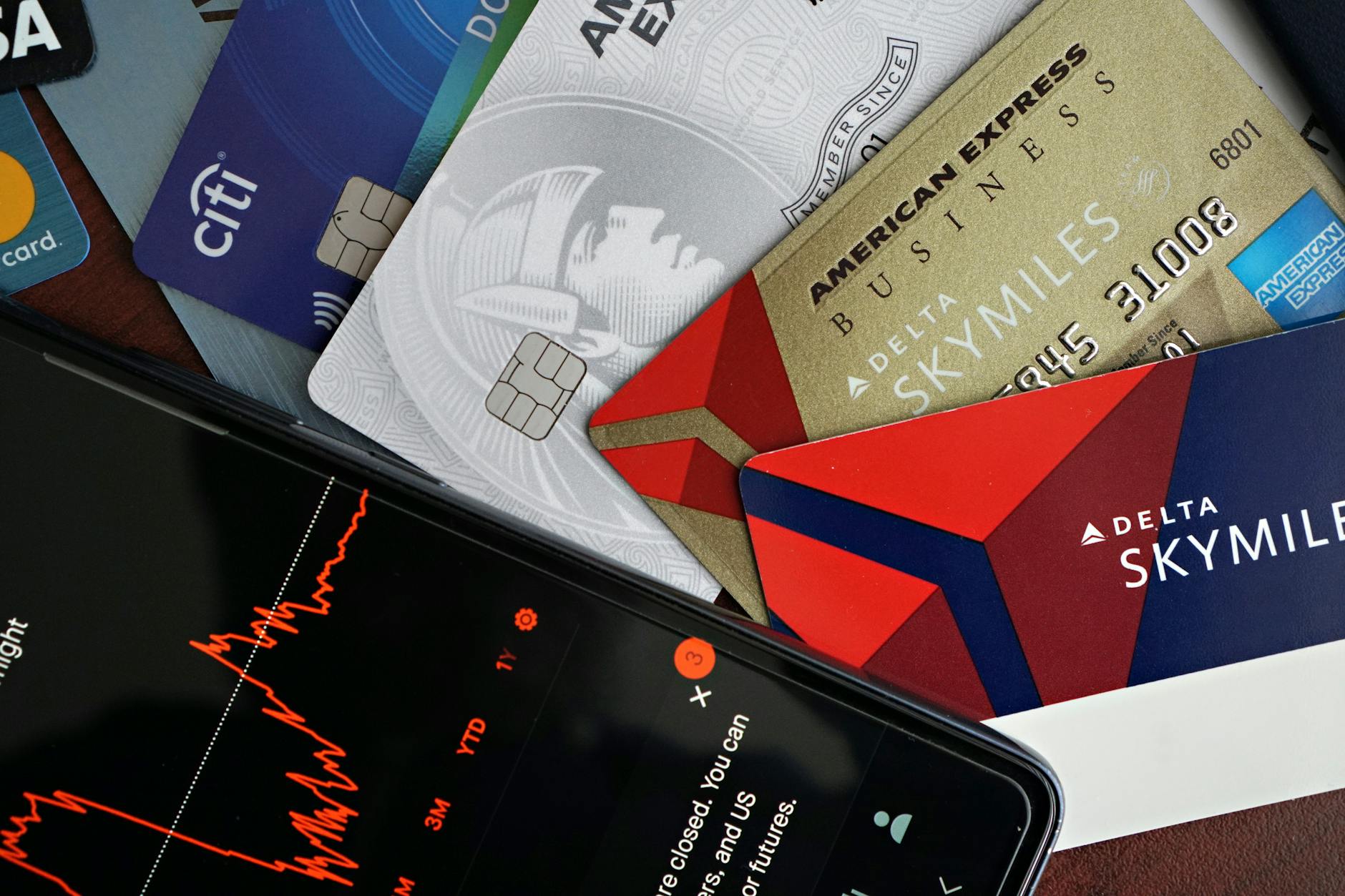
- Maximize points by using multiple cards for different spending categories.
- Target Chase Ultimate Rewards and Amex Membership Rewards for transferable points worth 1.5–2.5¢ each.
- Apply for Chase cards first to avoid their 5/24 rule, then Amex and Citi.
- ✅ Best for: Frequent travelers with good credit who can pay balances in full.
- ❌ Not ideal for: People who carry a balance or prefer simple cash back.
The best credit card strategy for maximizing points in the USA focuses on three pillars: earning rates, sign-up bonuses, and redemption value. No single card offers all three at once. The optimal approach combines multiple cards to maximize rewards on different spending categories and transfers points to airline or hotel partners for the highest value.
Many travelers leave value on the table by using a single cash-back card or redeeming points for statement credits. Points are worth 1 cent each at best on a cash-back card but can reach 2 cents or more when transferred to travel partners. This guide covers how to structure a multi-card setup, evaluate sign-up bonuses, and choose the best redemption method for 2026. It assumes a US-based reader with good or excellent credit (FICO 740+).
1. The Three Pillars of a Max-Points Strategy
What Is Points Maximization?
Points maximization means earning the most travel value per dollar spent, not just per transaction. It considers three factors: the earning rate (points per dollar), the sign-up bonus (one-time points for spending), and the redemption value (cents per point when cashing in for travel).
No single card leads in all three. The best strategy uses multiple cards to capture high earning rates where you spend most: dining, groceries, travel, and non-category purchases.
The top transferable-point currencies for 2026 are Chase Ultimate Rewards (at Chase), Amex Membership Rewards (at American Express), and Citi ThankYou Points (at Citi). Each allows you to transfer points to over a dozen airline and hotel partners, often unlocking 1.5 to 2.5 cents per point on premium cabin flights.
| Card Ecosystem | Top Earning Card | Best Transfer Partner | Typical CPP Value |
|---|---|---|---|
| Chase (Ultimate Rewards) | Chase Sapphire Preferred | Hyatt / United | 1.5–2.2¢ |
| Amex (Membership Rewards) | Amex Gold Card | ANA / Air Canada | 1.5–2.5¢ |
| Citi (ThankYou Points) | Citi Strata Premier | Virgin Atlantic / Flying Blue | 1.3–2.0¢ |
A common setup is: a Chase Sapphire Preferred for travel and dining (3x and 3x), paired with a Chase Freedom Flex or Chase Freedom Unlimited for other categories (5x rotating categories or 1.5x everything). All points transfer to the Sapphire account for partner travel.
2. Sign-Up Bonus Strategy: When and How to Churn
Sign-up bonuses represent the fastest path to large point balances. A single card can offer 60,000 to 100,000 points after spending $4,000 to $6,000 in the first three months. At 1.5 cents per point, that is $900 to $1,500 in value before regular spending.
The key constraint is Chase's 5/24 rule: you will not be approved for most Chase cards if you have opened five or more personal credit cards (from any issuer) in the past 24 months. For a max-points strategy, Chase cards should be targeted first, before hitting the 5/24 limit.
Recommended order for a first-year setup:
- Month 1: Chase Sapphire Preferred (60k–80k bonus, $4,000 spend)
- Month 3: Amex Gold Card (75k bonus, $4,000 spend)
- Month 6: Citi Strata Premier (70k bonus, $4,000 spend)
- Month 9: Chase Freedom Unlimited (20k bonus, $500 spend, plus 1.5x everyday)
After earning bonuses, space applications every 90 to 120 days to avoid velocity flags. Most issuers look for no more than two to three new cards in a six-month period.
Pro Tip: Use a credit monitoring tool like Credit Karma or Experian to track your credit score and inquiry counts. Keep your total accounts under 10 at any time for the highest FICO scores.
Credit Card Points Strategy Guide
Multi-card setups, sign-up bonus order, and best redemption methods.
COMPARE TRAVEL CARDS →3. Redemption Strategy: How to Get 2 Cents Per Point
A point is only worth what you redeem it for. Cash back, gift cards, and merchandise typically return 0.5 to 1.0 cent per point. Travel redemptions, especially international business class flights or luxury hotels, can return 1.5 to 2.5 cents or more.
Chase Ultimate Rewards: Transfer to World of Hyatt for hotel stays. A Category 4 Hyatt hotel costs 15,000 points per night. A cash rate might be $350, giving 2.33 cents per point. Transfer to United MileagePlus for flights. United's expanded award availability on its own metal makes this a strong sweet spot.
Amex Membership Rewards: Transfer to ANA Mileage Club for US-to-Japan business class on ANA at 75,000–85,000 points one-way. Cash price for the same seat is often $3,000–$5,000. Transfer to Air Canada Aeroplan for US-to-Europe business class on United or Air Canada at 55,000–70,000 points.
Citi ThankYou Points: Transfer to Virgin Atlantic Flying Club for domestic US flights on Delta or for upper-class bookings on Virgin Atlantic. Transfer to Flying Blue for Air France business class, often available at 50,000–70,000 points one-way during monthly Promo Rewards.
The gist: Aim for at least 1.5 cents per point for transferable currencies. Below that, consider cash back or a flat-rate 2% card instead.
When to use the points portal: Chase Ultimate Rewards offers 1.25 cents per point through its portal (1.5 cents with the Sapphire Reserve). This is a good fallback when no transfer partner offers compelling value, especially for domestic US flights or budget hotels.
Credit Card Points Strategy Guide
Multi-card setups, sign-up bonus order, and best redemption methods.
COMPARE TRAVEL CARDS →4. Common Mistakes and How to Avoid Them
Mistake 1: Churning Without Tracking
Opening too many cards in a short period can trigger rejection from Chase's 5/24 rule or cause velocity flags at Amex and Citi. Keep a simple spreadsheet of application dates and card closures. Aim to keep at least 365 days between opening and closing any card to avoid cancellation on your credit report for a short-lived account.
Mistake 2: Redeeming Points for Merchandise or Gift Cards
Merchandise often returns 0.5 cents per point. Gift cards are typically 0.8 to 1.0 cents per point. These are almost always worse than travel. Only use them if you have a specific need and no travel plan in sight.
Mistake 3: Carrying a Balance
Today's average credit card APR is approximately 24.6% (Federal Reserve G.19). Paying interest on a $5,000 balance for one year costs about $1,230 — far exceeding any points earned. Pay the full statement balance each month. If you cannot, skip the points strategy entirely and prioritize a low-APR card or debt payoff.
Mistake 4: Hoarding Points Without a Plan
Points lose value through issuer devaluations and expiration policies. Chase Ultimate Rewards expire only when the account is closed. Amex Membership Rewards expire after 12 months of inactivity if no card is open. Redeem large balances within 12 to 18 months of earning them if you have a specific trip in mind.
Frequently Asked Questions
The best strategy uses multiple cards to earn high rates on different spending categories, targets sign-up bonuses before hitting Chase's 5/24 rule, and redeems points by transferring them to airline or hotel partners for 1.5 to 2.5 cents per point.
Most heavy points earners carry 3 to 5 cards. A typical setup: a Chase Sapphire Preferred for travel and dining, a Freedom Unlimited for everyday spend, an Amex Gold for groceries and dining, and a Citi Strata Premier for travel bookings.
Yes, for most people. A card with a $95 fee that offers 60,000 bonus points worth $900 in travel breaks even quickly. Annual fees under $250 are often worthwhile when paired with a solid sign-up bonus and earning rates.
Transfer points to an airline or hotel partner. Chase Ultimate Rewards transfer to Hyatt for hotels and United for flights. Amex Membership Rewards transfer to ANA for Japan flights or Air Canada for Europe. Aim for at least 1.5 cents per point.
Chase will not approve you for most of its cards if you have opened five or more personal credit cards (from any issuer) in the past 24 months. Apply for Chase cards first, before hitting that limit, then explore Amex and Citi cards.
🔭 Explore More Topics
- Chase Sapphire Preferred Card terms and conditions (2026)
- American Express Gold Card terms and conditions (2026)
- Citi Strata Premier Card terms and conditions (2026)
- Federal Reserve G.19 Consumer Credit Report (2026)
Related topics: best credit card strategy maximum points USA, credit card points strategy, maximize credit card rewards, best travel rewards setup, sign-up bonus strategy, how to get 2 cents per point, Chase 5/24 rule explained, Chase Sapphire Preferred vs Amex Gold 2026, best credit card combination, points vs cash back 2026, transferable points value


