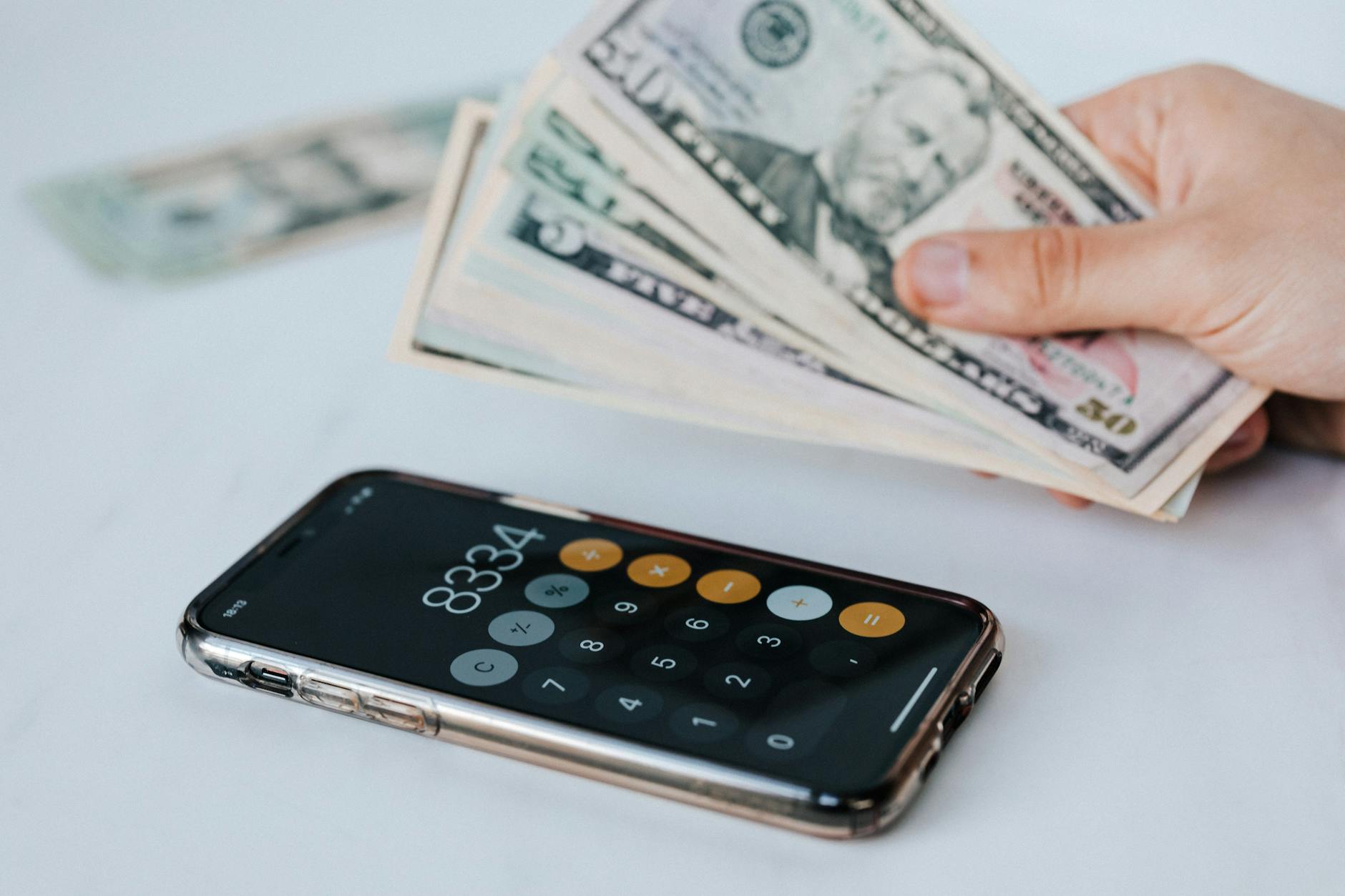
- Budgeting apps automate tracking income, expenses, and savings goals.
- Average household pays $200/month in subscriptions (CFPB 2025 report).
- Use the app daily for 30 days before deciding if it works for you.
- ✅ Best for: People who want accountability and proactive budget control.
- ❌ Not ideal for: Those who rarely check finances or prefer pen-and-paper tracking.
A good budgeting app automates tracking, enforces a plan, and helps build savings. In 2026, the best choice depends on whether you prefer hands-on, zero-based budgeting (YNAB) or fully automated, set-it-and-forget-it tracking (Mint alternatives like Quicken Simplifi). We compared six top apps on cost, features, and actual user outcomes.
Nearly 60% of Americans say they don't follow a detailed budget, according to a 2023 CFPB survey. Yet the right app removes the friction. We tested YNAB, EveryDollar, Quicken Simplifi, Monarch Money, Goodbudget, and a notable free alternative from Credit Karma (formerly Mint). Our criteria: ease of setup, depth of features, cost, and whether the app helps users reduce spending and grow savings. These are the best budgeting apps for 2026, ranked by use case.
1. Best Budgeting Apps 2026: Full Comparison by Use Case
What Is a Budgeting App?
A budgeting app is a digital tool that helps you track income, expenses, and savings goals. Unlike a spreadsheet, most apps sync directly with your bank, credit card, and investment accounts to categorize transactions automatically. The best apps also forecast future balances, alert you to overspending, and provide reports you can use to adjust spending habits.
Methodology
To select the best apps, we tested each on: (1) Setup and onboarding — how long to connect accounts and set a budget. (2) Automation quality — how accurately the app categorizes transactions without manual correction. (3) Features — debt tracking, goal setting, investment tracking, bill reminders. (4) Cost — free or paid, and whether the price is justified. (5) User outcomes — whether the app promotes actual spending reduction and savings growth. The table below summarizes the top picks for 2026, with detailed breakdowns in following sections.
| App | Starting Price | Best For | Key Feature |
|---|---|---|---|
| YNAB (You Need A Budget) | $14.99/mo (annual $99) | Zero-based budgeters who want hands-on control | Every dollar assigned; goal tracking; debt payoff tools |
| EveryDollar (Ramsey Solutions) | Free (Premium $17.99/mo) | Dave Ramsey fans; manual entry users | Zero-based budget; Baby Steps integration |
| Quicken Simplifi | $3.99/mo (annual) | Automated tracking, Mint refugees | Transaction sync; spending plan; investment tracking |
| Monarch Money | $14.99/mo (annual $99.99) | Couples and households; investment tracking | Joint budgeting; unlimited accounts; net worth tracking |
| Goodbudget | Free (Plus $8/mo) | Envelope budgeting without bank syncing | Digital envelope system; manual entry |
| Credit Karma (Mint replacement) | Free | Quick financial snapshot; credit monitoring | Credit score & report; account aggregation; spending overview |
2. YNAB vs EveryDollar vs Quicken Simplifi: Detailed Reviews
YNAB (You Need A Budget) — Best for Proactive Budgeters
YNAB uses zero-based budgeting: every dollar you earn is assigned a job — bills, savings, or discretionary spending. The app forces you to live on last month's income. According to YNAB internal polls, new users save an average of $600 in their first two months. Cost: $14.99/month or $99/year (free 34-day trial). Strengths: deeply motivating, goal-driven, and excellent at preventing overspending. Weakness: requires daily attention; not for passive users. Account sync can occasionally break with smaller credit unions. Best for: people committed to a zero-based system who want a financial coach, not just a tracker.
EveryDollar — Best for Ramsey Followers
EveryDollar, created by Dave Ramsey's team, is another zero-based option. The free tier requires manual entry — no bank sync. Premium ($17.99/month) adds automatic import. It integrates with Ramsey's Baby Steps (e.g., $1,000 emergency fund, debt snowball). Strengths: very clean interface, free for manual budgeters, and helpful for debt reduction. Weakness: no investment or net worth tracking; premium is more expensive than Quicken Simplifi with fewer features. Best for: Dave Ramsey adherents and people who prefer manual entry for control.
Quicken Simplifi — Best Automatic Tracker (Mint Replacement)
When Mint shut down in early 2024, Quicken Simplifi became a natural successor. For $3.99/month, it syncs unlimited accounts — checking, savings, investments, and credit cards. It uses a "spending plan" approach: you set expected spending categories and the app flags overruns. It also shows upcoming bills, recurring transactions, and net worth trends. Strengths: affordable, excellent automation, handles investments well. Weakness: less motivational than YNAB; the "spending plan" isn't true zero-based budgeting. Best for: people who want to set a budget and walk away — the app does the heavy lifting.
Monarch Money — Best for Couples and Households
Monarch Money is designed for joint finances. It syncs unlimited accounts and allows multiple users to categorize and comment on transactions. It provides net worth tracking, investment performance, and goal setting (e.g., "save $10k for vacation"). At $14.99/month, it's comparable to YNAB. Strengths: excellent for two-income households; very clean interface; strong transaction rules. Weakness: pricey; no free tier beyond a 30-day trial. Best for: couples who want a joint budget without compromising granularity.
Goodbudget — Best for Envelope Budgeting Without Bank Sync
Goodbudget is a digital version of the envelope system. You allocate money into virtual envelopes (categories) and spend only what's in each envelope. It does NOT sync to your bank — entirely manual entry. Free tier: up to 10 envelopes and 1 account. Plus ($8/month): unlimited. Strengths: extremely simple; forces discipline; excellent for frugal households. Weakness: manual only — you must track every transaction. Best for: those who love the envelope method and don't want automated syncing.
Credit Karma — Free Financial Overview
After Mint's closure, Credit Karma absorbed many Mint features. It now provides account aggregation, spending breakdowns, credit score/monitoring, and tax estimates — all free. Strengths: completely free; includes credit monitoring; simple overview. Weakness: limited budgeting detail; not a serious budgeting tool — better for a quick snapshot. Best for: people who want a free, low-effort overview of their finances and don't need a strict budget.
Best Budgeting Apps 2026: Full Comparison
Features, pricing, and real user reviews for top apps.
COMPARE BUDGETING APPS →3. How to Choose the Right Budgeting App for Your Needs
Ask Yourself Three Questions
Before choosing an app, consider: (1) How involved do you want to be? If you check spending weekly and enjoy planning, YNAB or Envelope-style apps work well. If you want a passive approach, Quicken Simplifi or Credit Karma are better. (2) Do you share finances with a partner? Monarch Money is built for joint budgeting. YNAB also supports shared budgets but less seamlessly. (3) What's your budget? Free options exist — EveryDollar (free manual), Goodbudget (free for limited use), and Credit Karma (free). Paid apps range from $4/month (Simplifi) to $18/month (EveryDollar Premium).
When to Use Manual vs Automated
- Automated apps (Simplifi, YNAB, Monarch, EveryDollar Premium): best for people who want convenience and can trust sync. Risk: if sync breaks, you may miss expenses.
- Manual apps (Goodbudget, EveryDollar Free, Envelope paper systems): best for people who want full control and discipline. Risk: time-consuming; easy to skip tracking for a week and fall behind.
Is a Free App Enough?
For many people, a free app like Credit Karma or the basic EveryDollar tier provides enough structure to see where money goes. However, these lack proactive budgeting — they show what happened, not what should happen. If you struggle with overspending, the accountability of a paid app like YNAB or Quicken Simplifi often pays for itself many times over.
Best Budgeting Apps 2026: Full Comparison
Features, pricing, and real user reviews for top apps.
COMPARE BUDGETING APPS →4. Common Budgeting Mistakes & How to Avoid Them
Even the best app can't fix bad habits. Here are three common mistakes and how to avoid them.
Mistake 1: Not Reconciling Regularly
Apps sync transactions, but they can mis-categorize or miss entries (especially cash). Set a weekly 15-minute "budget date" to review every transaction. YNAB and Simplifi both have a reconcile button — use it.
Mistake 2: Setting Unrealistic Categories
A common error: allocating $200 for groceries and $100 for dining out. If you know you spend $500 on both, budget $500 honestly. The app can't shame you into spending less — it just shows you the truth. Use apps like YNAB to assign every dollar, even to "unexpected" categories.
Mistake 3: Ignoring Subscriptions and Small Recurring Charges
In 2026, the average American household spends over $200/month on subscription services, per a 2025 CFPB report. Most budgeting apps can identify recurring charges. Review this list monthly — cancel any unused subscriptions. Apps like Simplifi automatically group them, making it easy to spot.
Pro Tip: Use the App for a Full Month Before Judging
Don't expect perfection in week one. Sync issues happen. Categories need tweaking. Stick with it for 30 days — after that, you'll know if the app fits your life. If it doesn't, switch. The best budgeting app is the one you actually use.
Frequently Asked Questions
For absolute beginners, Quicken Simplifi is the easiest because it syncs automatically and requires minimal setup. If you prefer manual control, the free version of EveryDollar is a clean, straightforward option.
Most apps support thousands of institutions, but connectivity varies. YNAB, Simplifi, and Monarch Money connect to over 12,000 financial institutions via Plaid or Yodlee. However, smaller credit unions may have limited or broken sync. Check the app's bank support page before subscribing.
Yes, for many people. Credit Karma (free) provides a solid overview of spending and net worth. The free version of EveryDollar is excellent if you're willing to enter transactions manually. However, if you need transaction automation or goal tracking, a paid app like Simplifi ($3.99/mo) offers better value for most users.
Monarch Money is specifically built for joint budgeting with granular permission controls. YNAB also supports shared budgets but requires both partners to actively use it. Credit Karma and Simplifi are single-user focused.
Yes, several apps have investment tracking. Quicken Simplifi and Monarch Money sync with brokerage accounts and show net worth, allocations, and performance. YNAB does not track investments, focusing solely on cash flow. Goodbudget and EveryDollar also lack investment features.
🔭 Explore More Topics
- CFPB 2025 Report on Household Spending Patterns
- YNAB 2025 User Survey and Internal Data
- Federal Reserve Survey of Consumer Finances 2023
- EveryDiamond Pricing Page and Feature Comparison
Related topics: best budgeting apps 2026, budgeting apps, YNAB vs EveryDollar, Quicken Simplifi, Monarch Money review, best free budgeting app, budgeting app for couples, zero-based budgeting app, Mint replacement, best budgeting app for beginners 2026, budgeting app with investment tracking


