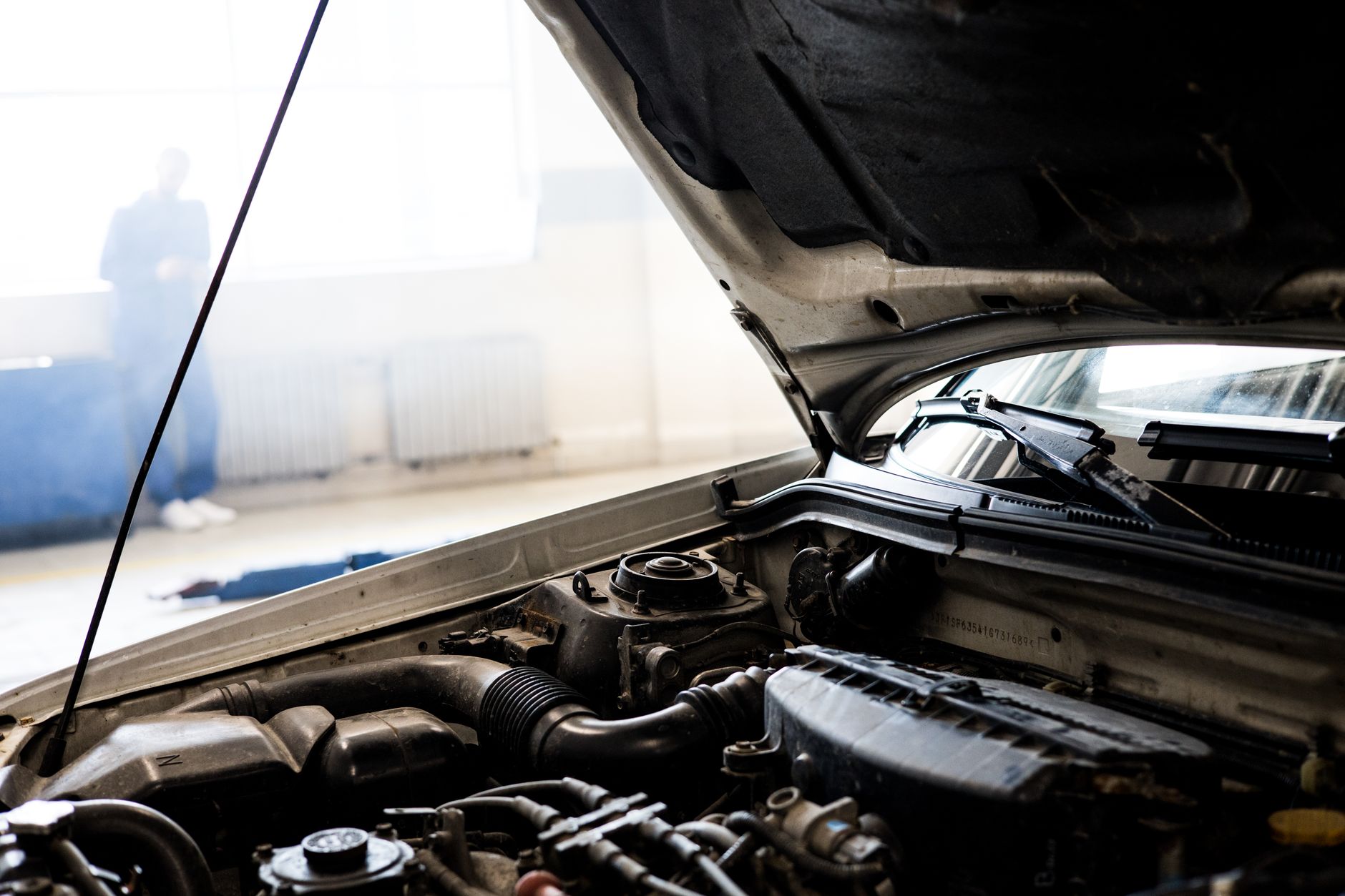
- Auto parts financing lets you pay for repairs or parts over time, typically with a personal loan or store card.
- APRs range from 8% to 32% depending on credit and product; the average credit card APR is ~24.6% (Fed G.19, Feb 2026).
- Deferred interest promos are common but risky, if unpaid in full, interest charges apply from day one.
- Best for large emergency repairs when savings are insufficient and you have good credit for a low APR loan.
- Less suitable for small purchases under $500 or when you can pay with cash or a lower-rate general credit card.
Auto parts financing is a way to pay for vehicle repairs, maintenance, or upgrades over time rather than upfront. It typically comes through personal loans, in-house dealer credit, or store-specific credit cards. Rates vary widely, from 0% promotional offers to over 30% APR, depending on credit history and lender.
Whether you are facing an unexpected engine replacement or planning a custom build, financing can ease the cash burden. But not all options are created equal. Some come with deferred interest traps, others with higher approval thresholds. This article breaks down the main types of auto parts financing, typical costs, and what to watch for in 2026.
1. Auto Parts Financing: Types, Rates, and How It Works
What Is Auto Parts Financing?
Auto parts financing is a short-to-medium-term credit product used to pay for vehicle components, from routine brake replacements to complete engine overhauls. It functions similarly to other retail financing: you borrow money (or use a line of credit) at a stated APR and repay over a set term, typically 6 to 24 months.
The most common forms include:
- Personal loans (unsecured, from banks such as Wells Fargo, LendingClub, or SoFi)
- In-house mechanic financing (through providers like Affirm or Snap Finance)
- Store credit cards (e.g., AutoZone, Advance Auto Parts, O'Reilly store cards)
- Credit card convenience checks (from your existing card issuer)
Rates span a wide range. A 2026 Federal Reserve G.19 report shows average credit card APR is approximately 24.6%. Specialized auto parts cards from retailers are often higher, typically 27% to 32% APR, though some offer promotional 0% financing for 6 or 12 months. Unsecured personal loan rates for borrowers with good credit (720+) start around 8% to 12% (LendingClub, February 2026). Rates and fees were verified on February 12, 2026, and may have changed since.
| Financing Type | Typical APR Range | Typical Term | Best For |
|---|---|---|---|
| Personal loan (good credit) | 8% – 12% | 12 – 60 months | Large repairs ($2,000+) |
| Mechanic in-house financing | 0% promo / 25% – 36% defer | 6 – 12 months | Medium repairs ($500 – $2,000) |
| Auto parts store credit card | 27% – 32% | 6 – 24 months | Parts purchases from that chain |
| Credit card (existing, revolving) | ~24.6% average (Fed G.19) | Revolving | Small purchases under $500 |
Online-only accounts may not be ideal if you need same-day parts or prefer in-person service. APYs (or APRs) are variable and can change at any time without notice.
2. How to Choose the Best Auto Parts Financing Option
Selecting the right loan or credit product depends on the repair cost, your credit score, and how quickly you can repay. For large repairs, those exceeding $2,000, an unsecured personal loan is usually the lowest-cost option if your credit is good. For smaller repairs, a 0% promo card might work, but only if you can pay the full balance before the promo ends.
Here is a step-by-step approach:
- Estimate the total cost, include parts, labor, and any diagnostic fees. Get an itemized quote from the mechanic.
- Check your credit score, If it is above 700, personal loans from LightStream or SoFi usually offer competitive APRs. If below 650, store cards or in-house financing may be the only option.
- Compare offers, Use the table above. Pre-qualify with 2-3 lenders (Soft pull; does not affect score). Examples: LendingClub, Marcus by Goldman Sachs, or your local credit union.
- Read the fine print on promos, Many 0% offers are deferred interest. If the balance is not paid in full by the end of the promo, you owe interest retroactively from the purchase date.
- LEARN MORE the best offer, Submit a formal application. Once approved, you can fund the repair directly or pay the mechanic.
If you are shopping for parts yourself, some auto parts chains offer their own store cards. For example, the Advance Auto Parts credit card (issued by Synchrony Bank) features a deferred-interest promo. Auto repair costs can vary by shop and vehicle, always compare quotes before committing to financing.
Auto Parts Financing Guide
Rates, options, and tips for paying for repairs without breaking the bank.
READ OUR FINANCING GUIDE →3. When Auto Parts Financing Makes Sense (and When It Doesn't)
| Scenario | Financing Makes Sense | Alternative Approach |
|---|---|---|
| Emergency brake replacement ($600) | Use a 0% promo card if you can repay in 6 months | Pay cash or use an existing card with a lower APR |
| Engine rebuild ($4,000) | Personal loan at 8-12% APR, 24-month term | Cash from savings if available |
| Performance upgrade ($1,200) | Only if you can repay within the promo window; otherwise avoid | Save up and pay upfront |
| Transmission replacement ($3,500+) | Personal loan or credit union loan | Financing via the mechanic (typically higher rates) |
This article is informational and is not personalized financial advice. Transfer delays may matter during emergencies, verify ACH timelines with your lender. If you need a tow to the shop, auto repair with towing near me can help you find a provider that offers both services.
For commercial vehicles or fleet parts, specialized options exist. See bucket truck financing and commercial roof financing for related business lending products.
Auto Parts Financing Guide
Rates, options, and tips for paying for repairs without breaking the bank.
READ OUR FINANCING GUIDE →4. Expert Tips, Mistakes, and Bottom line on Auto Parts Financing
Common Limitations
- Deferred interest promos are risky, if you are even one day late on the final payment, you owe interest from day one.
- Store cards often have low credit limits ($500–$1,500), limiting their use for major repairs.
- Prepayment penalties are rare but exist on some personal loans; check the terms.
- Online-only accounts may not be ideal if you deposit cash frequently.
Expert Tips
- Pre-qualify with 3 lenders (Soft pull) before the mechanic gives you a quote, you will know your rate without dinging your credit.
- If you take a 0% promo, set an automatic payment for the full amount due one month before the promo ends.
- Use a credit union for personal loans, they often beat online rates by 2-3 percentage points on average.
- For parts only (not labor), compare the store card APR to a general-use credit card, often the general card is cheaper.
Mistakes to Avoid
- Accepting the mechanic's first financing offer without shopping around.
- Assuming 0% means free money, missed interest can be punishing.
- Using a cash advance on a credit card to pay for parts (cash advance APR is typically higher, often ~29%).
- Financing parts that are under warranty or covered by insurance.
Pros and Cons
Pros:
✅ Spread large repair costs over time
✅ 0% promos can save money if repaid quickly
✅ May help build credit if repaid on time
Cons:
❌ High APRs for those with poor credit
❌ Deferred interest traps on promos
❌ Multiple applications can hurt credit score
Bottom Line
Auto parts financing is a useful tool for unexpected repairs but should be used carefully. For amounts over $2,000 and good credit, a personal loan offers the most predictable cost. For smaller urgent repairs, a 0% promo card works if you can repay within the window. Avoid store cards with APRs above 30% unless you have no other option and can repay very quickly. Always verify the terms before signing, this article is for informational purposes only and does not constitute financial advice. Consult a qualified financial professional before committing to any loan.
Frequently Asked Questions
The cheapest way is usually a personal loan from a credit union or online lender, with APRs around 8%–12% for good credit. For smaller amounts, a 0% introductory APR credit card can be free if paid in full within the promo period.
Yes, but options are limited and more expensive. In-house financing from mechanics or store cards (like Snap Finance or AutoZone) often accepts borrowers with scores below 600, but APRs can exceed 30%. Expect a higher interest rate and shorter repayment terms.
Applying for financing triggers a hard credit inquiry, which can temporarily lower your score by a few points. As you repay the loan or card, on-time payments generally help your credit over time. Late payments or default will hurt it significantly.
A deferred interest promo means no interest is charged if you pay the full balance by a set date. If you do not pay in full by then, interest is charged retroactively from the date of purchase, often at the regular high APR. It is riskier than a 0% APR offer, where interest is never charged on the initial balance even if you are late.
Yes. Unsecured personal loans from lenders like LightStream, SoFi, or Marcus by Goldman Sachs can be used for any purpose, including auto parts. You receive a lump sum and repay it in fixed monthly installments. Your credit score and income determine approval and rate.
🔭 Explore More Topics
- Federal Reserve G.19 Consumer Credit Report, February 2026
- LendingClub personal loan rates, accessed February 12, 2026
- Synchrony Bank Advance Auto Parts credit card terms, 2026
- LightStream personal loan rates, accessed February 2026
Related topics: auto parts financing, auto parts financing, car parts financing, mechanic financing, auto repair financing, how to finance auto parts, auto parts store credit card, personal loan for car repairs, bad credit auto parts financing, deferred interest auto parts
↑ Back to Top


