- Discount tow trucks charge $50–$80 hook-up plus $1.50–$2.50 per mile.
- 5-mile discount tow costs ~$80–$105 vs. $125–$150 from a standard provider.
- Lower insurance caps and older equipment increase vehicle damage risk.
- Works well for simple, short-distance tows in metro areas with verified providers.
- Less suitable for highway breakdowns, luxury vehicles, or time-sensitive emergencies.
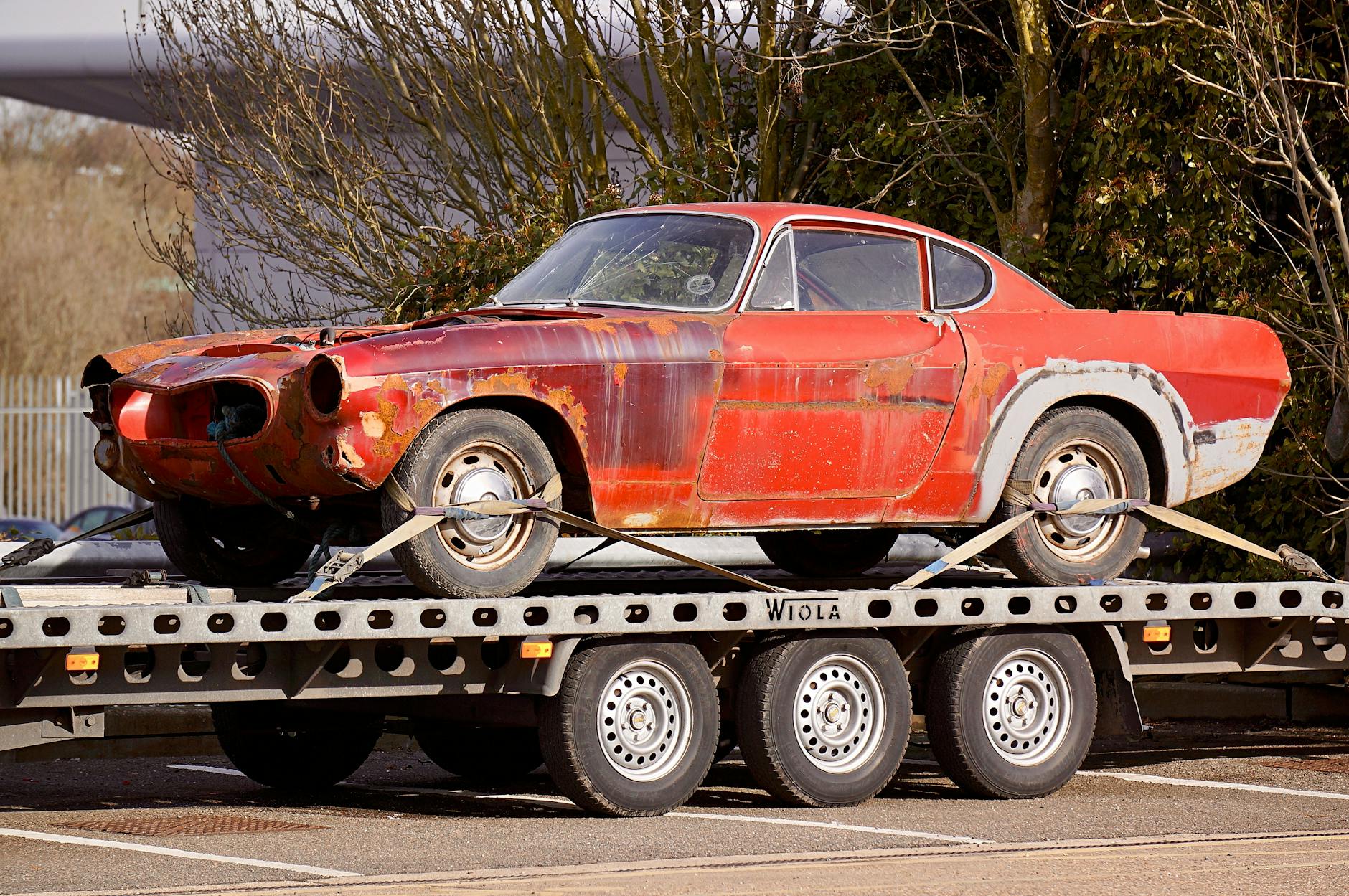
Discount tow trucks are basic towing services offered at lower rates than standard roadside assistance. They typically involve older equipment, longer wait times, and minimal extras. The trade-off can be worthwhile for simple, short-distance hauls but may carry risks for complex tows or emergency situations.
Towing costs vary widely. Standard towing averages $75 to $125 for a hook-up fee plus $2 to $4 per mile (AAA, 2026). Discount providers may charge $50 to $80 for the hook-up and $1.50 to $2.50 per mile. This article covers how discount towing services work, the pricing structure, common limitations, and when a cheaper rate might not save you money in the end.
1. What Is a Discount Tow Truck? How Pricing Works
What Is a Discount Tow Truck Service?
A discount tow truck service is a towing company that charges below-market rates, typically by operating with older equipment, fewer staff, limited insurance coverage, or a simpler service model. Unlike major roadside assistance programs (AAA, Allstate Roadside, or your auto insurance provider), discount providers often focus on short-distance tows and basic vehicle recovery.
Standard towing costs in 2026 break down as follows:
- Hook-up fee: $50–$80 for discount vs. $75–$125 for standard
- Per mile: $1.50–$2.50 (discount) vs. $2–$4 (standard)
- After-hours fee: Often waived or lower at discount providers
- Winching/extra labor: $50–$100 per hour (both tiers similar)
The savings are most noticeable on tows under 10 miles. A 5-mile discount tow might cost $80–$105, versus $125–$150 from a standard provider. However, the gap narrows on longer hauls where per-mile charges accumulate.
| Service Element | Discount Provider | Standard Provider |
|---|---|---|
| Hook-up fee | $50–$80 | $75–$125 |
| Per mile (first 10 miles) | $1.50–$2.50 | $2–$4 |
| After-hours surcharge | $0–$25 | $25–$75 |
| Winching (30 min) | $50–$100 | $75–$125 |
| Storage per day | $20–$35 | $30–$60 |
| Insurance liability cap | Often $10,000 | Typically $25,000+ |
Discount providers often serve local tows, moving a car from a residential street to a nearby repair shop. They are less common for highway recovery, long-distance transport, or heavy-duty towing, where equipment reliability and response time matter more.
Some discount operations are small, one-truck businesses that can respond faster in dense urban areas but may lack 24/7 availability. Checking online reviews and confirming insurance coverage before hiring is recommended.
2. Risks and Limitations of Discount Towing
Discount towing can carry real trade-offs that may offset the upfront savings. The lower price often comes from reduced overhead, but that can mean older trucks, less experienced operators, or thinner insurance coverage.
Common Risks
- Vehicle damage liability: Discount providers may carry lower liability caps, sometimes $10,000 or less. If the tow damages your vehicle, recovery may not cover full repair costs. Standard providers typically carry $25,000 to $100,000 in cargo liability.
- Equipment age and reliability: Older tow trucks may lack modern wheel-lift or flatbed equipment, increasing the risk of damage to low-clearance or all-wheel-drive vehicles. Flatbed towing is generally safer than hook-and-chain for most modern cars.
- Response time: Small discount operations may have a single driver on call, leading to longer waits, especially outside business hours. AAA members average a 30–45 minute response; discount operators can take 60–90 minutes or longer.
- Limited availability: Discount towing is most common in metro areas. Rural or highway breakdowns are less likely to be covered. Many discount providers do not operate on major interstates due to licensing requirements.
When Discount Towing Costs More in the End
A discount provider may quote a low hook-up fee but add charges for winching, waiting time, or storage that a standard provider includes. Always ask: What is the total price for a 5-mile tow, including after-hours and any special equipment? Some consumers report that a $60 hook-up becomes $180 after add-ons, comparable to a full-price provider with a single inclusive quote.
If your vehicle requires special handling, low ground clearance, all-wheel drive, or oversize tires, confirm the tow truck can accommodate it before dispatch. A failed attempted tow can cost time and additional fees.
Risks at a Glance
- Damage risk: Lower liability limits, confirm coverage before agreeing
- Wait times: Can be double standard roadside assistance
- Add-on fees: Winching, storage, after-hours may erode savings
- Not all vehicles: AWD and low-clearance cars may need flatbed only
If you rely on a discount tow, verify the provider's insurance certificate (ask for a copy of their liability coverage) and get a written price estimate before the truck arrives.
3. How to Find a Reliable Discount Tow Truck
Finding a trustworthy discount tow truck requires more than searching for the cheapest rate. A methodical approach reduces the chance of getting a damaged vehicle or a surprise bill.
- Check online reviews. Look at Google, Yelp, and the Better Business Bureau. Filter for recent tows, one-star complaints about damage, hidden fees, or no-shows are red flags. A provider with 50+ reviews and a 4+ star average is safer than one with 5 reviews.
- Confirm insurance coverage. Ask for the provider's certificate of insurance. Look for cargo liability (coverage for your vehicle while on the truck) and general liability. Minimum recommended: $25,000 cargo liability.
- Get a written price quote. Request a quote that itemizes: hook-up fee, per-mile rate, after-hours surcharge, winching, storage (per day), and any other potential fees. Avoid providers who refuse to provide a written estimate.
- Ask about equipment. Confirm the truck type. For most passenger vehicles (sedans, SUVs), a flatbed is safest. Avoid hook-and-chain for front-wheel-drive or all-wheel-drive cars.
- Verify licensing. Most states require towing operators to carry a business license and a valid motor carrier permit. Check your state's Department of Transportation or Public Utilities Commission for complaints or disciplinary actions.
- Compare multiple quotes. Call 2–3 discount providers and 1 standard provider. The price difference on a 5-mile tow may be $30–$60, which is often worth paying for peace of mind and faster service.
For a free national database of towing companies, the Tow Operators Association maintains a member directory. Your insurance company or roadside assistance provider may also offer discounted rates, check before calling an independent operator.
If you choose a discount provider, track the driver's name, company name, license plate of the tow truck, and your signed estimate. This helps with any post-service disputes.
4. Alternatives to Discount Towing: When Full Price Is Worth It
Discount towing is not the only low-cost option. Several alternatives offer similar or better pricing with more protections.
- AAA membership: The classic roadside assistance plan costs about $7–$10 per month (2026) and includes up to 5 miles of free towing with Basic, more with Plus. The trade-off: no per-tow discount negotiation needed.
- Auto insurance roadside assistance: Many insurers (State Farm, GEICO, Progressive, Allstate) offer roadside add-ons for $2–$5 per month. Tows are typically covered up to a set dollar amount (e.g., $100) or distance (e.g., 10 miles). Check your policy, existing coverage may already include towing.
- Credit card towing benefits: Premium cards (Chase Sapphire Reserve, American Express Platinum, Citi Premier) now include roadside assistance. The service is brokered, not owned by the card issuer, but rates are often below market.
- Pay-per-use apps: Platforms like Honk, Urgent.ly, and Brisk Roadside connect you with local providers and display upfront pricing. These can be cheaper than calling directly, though coverage varies by area.
| Option | Typical Cost Per Tow (5-mile) | Average Response Time | Liability Coverage |
|---|---|---|---|
| Discount independent tow | $80–$105 | 60+ minutes | Often $10,000 |
| AAA Basic member | $0 (up to 5 miles) | 30–45 minutes | $50,000 (AAA policy) |
| Insurance add-on | $0 (up to $100) | 30–60 minutes | Varies by carrier |
| App-based service | $90–$130 | 45–60 minutes | Varies by provider |
Expert Tips
- Keep your insurance card and roadside assistance membership details in the glovebox, saves time during a stressful breakdown.
- If using a discount provider, request the truck license plate and driver name at dispatch, this helps if vehicle damage occurs.
- For AWD and electric vehicles, insist on flatbed towing. Hook-and-chain towing can damage drivetrains in seconds.
- Pre-load a towing app (Honk, Urgent.ly) so you have pricing info without calling during an emergency.
- Check your state's towing regulations: some states cap hook-up fees or require written estimates for tows over a certain amount.
Mistakes to Avoid
- Hiring the first tow truck that arrives without confirming price, always ask for a written quote before the hook-up.
- Assuming all discount providers are the same, insurance coverage and equipment can vary dramatically.
- Ignoring your auto insurance policy's roadside assistance option, many drivers pay for it and never use it.
- Failing to document damage before the tow, take photos of your vehicle from all angles before the truck leaves.
Pros and Cons
👍 Pros: Lower upfront cost; often faster in dense metro areas; no membership required; works for one-time tows.
👎 Cons: Higher damage risk with older equipment; lower liability caps; longer wait times; add-on fees can eliminate savings; not available everywhere.
Bottom Line
Discount towing works well for short-distance, low-risk hauls in urban areas with a trustworthy provider. For highway breakdowns, valuable vehicles, or situations where speed matters, the extra money for a standard provider or roadside membership is worthwhile. Verify insurance and get a written estimate every time.
Frequently Asked Questions
It depends on the provider and equipment. Discount towing companies often use older trucks, and some still operate hook-and-chain tow trucks that can damage modern cars. For most passenger vehicles, a flatbed tow is safest. Request a flatbed from the provider, and if they cannot guarantee it, consider a standard service. Always check that the provider has cargo liability insurance (at least $25,000 recommended) and get a written estimate before the tow.
Discount tow trucks typically charge $50–$80 for a hook-up fee plus $1.50–$2.50 per mile. A 5-mile tow would cost about $80–$105. By comparison, standard towing averages $75–$125 hook-up plus $2–$4 per mile, so the savings are roughly $30–$50 on short tows. After-hours surcharges are often lower or waived at discount providers. Always get a written estimate, as add-on fees for winching, storage, or waiting time can narrow the gap.
The main risks include older equipment that may damage your vehicle, lower insurance liability caps (sometimes $10,000 or less), longer wait times, and add-on fees that can make the total cost comparable to a standard provider. Discount towing is also less available for highway recovery or rural areas. Always confirm the tow truck type (flatbed preferred), check the provider's insurance certificate, and get a written price estimate before the truck arrives.
AAA membership costs about $7–$10 per month and includes up to 5 miles of free towing with Basic, plus faster response times and higher liability coverage (typically $50,000). For a single tow this year, a discount provider may be cheaper. For anyone who expects 2+ tows or values fast, reliable service with minimal hassle, AAA is usually a better value. Your auto insurance roadside add-on (check your policy) may be another strong alternative.
Check Google, Yelp, and the Better Business Bureau for recent reviews. Filter for complaints about hidden fees, vehicle damage, or excessive wait times. Confirm the provider's insurance coverage (cargo liability of $25,000+ recommended) and ask for a written quote itemizing all fees. Compare 2–3 discount providers with at least one standard provider. Apps like Honk, Urgent.ly, and Brisk also show upfront pricing for local tow services.
🔭 Explore More Topics
Related topics: discount tow truck, discount tow truck, cheap tow truck, low cost towing, towing cost per mile, how much does a discount tow truck cost, is discount towing safe, discount tow truck vs AAA, how to find a cheap tow truck, risks of discount towing, best discount tow truck near me
↑ Back to Top


