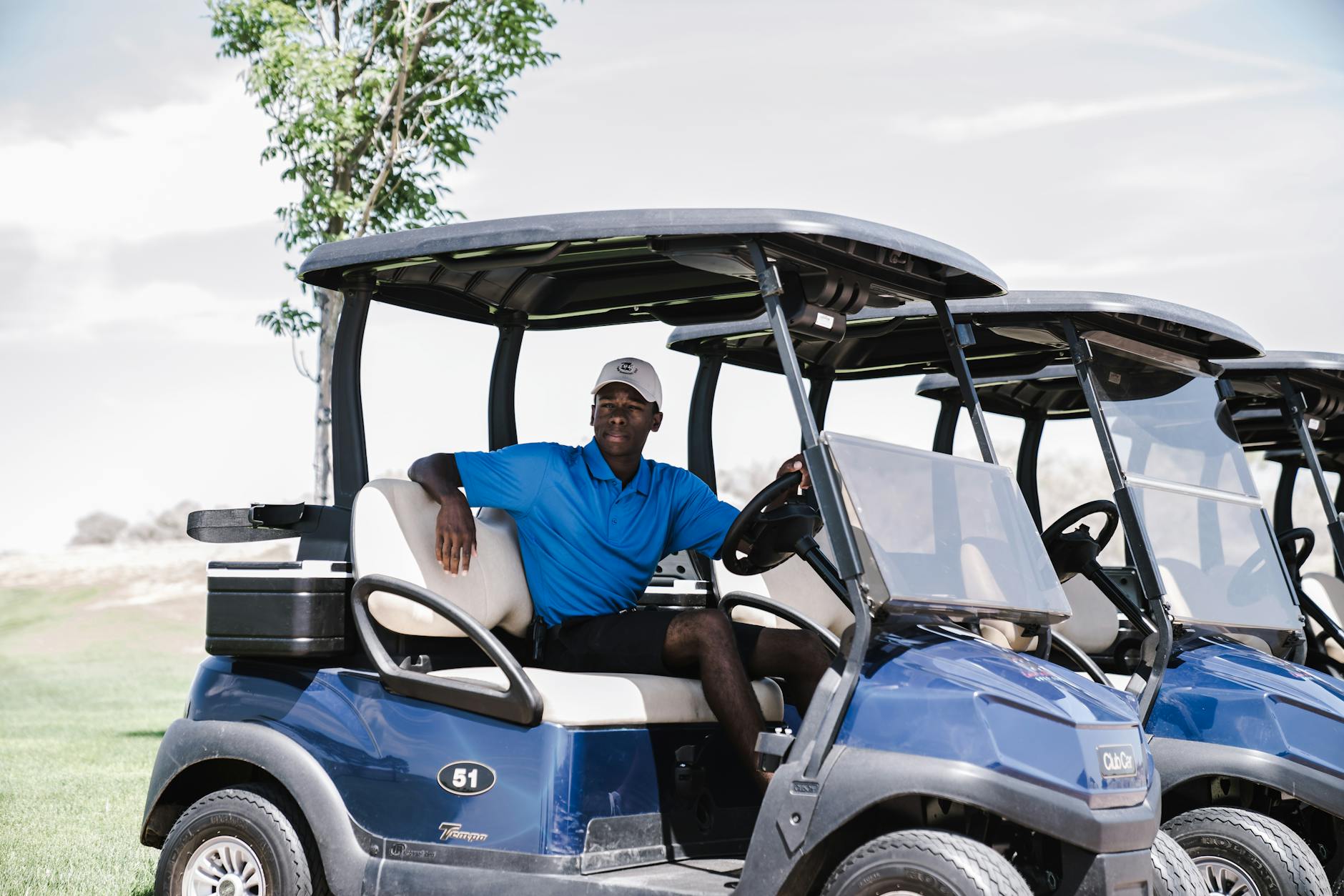
- A golf cart roof shades passengers from sun and light rain.
- Fiberglass roofs last 8–12 years; ABS cracks after 3–5 in direct sun.
- Universal kits fit most EZ-GO/Yamaha carts but may need adapter brackets for Club Car.
- Suits most golf carts used outdoors, especially in sunny climates.
- Less durable options crack quickly in high-UV regions without covered storage.
Replacing or upgrading a golf cart roof is one of the most effective ways to improve comfort and UV protection, but materials vary widely in durability, weight, and cost. The right choice depends on your climate, how often you drive, and whether you need accessories like windshield mounts or rain gutters. Most aftermarket roofs attach to the existing struts in under an hour.
A golf cart roof does more than block the sun. It protects passengers from light rain, reduces glare, and provides a mounting point for windshields, mirrors, and lights. But not all roofs are created equal. ABS plastic roofs dominate the market for their affordability and light weight, while fiberglass and aluminum offer better longevity at a higher price. This guide breaks down the three main materials, their trade-offs, installation steps, and what to avoid when shopping in 2026.
1. Golf Cart Roof Materials: Plastic, Fiberglass, and Aluminum Compared
What Is a Golf Cart Roof?
A golf cart roof is a rigid canopy mounted on four support struts, covering the front and rear seats. It shades passengers from direct sun and provides a limited weather barrier. Roofs come in three primary materials: ABS plastic, fiberglass, and aluminum. Each has distinct trade-offs in weight, durability, cost, and appearance.
Most people assume all roofs are the same. That assumption can lead to buying a roof that cracks in direct sun after two summers or adds too much weight for an older 36-volt cart. Here is what separates the three types.
| Material | Typical Weight | Average Cost (2026) | Durability | Best For |
|---|---|---|---|---|
| ABS Plastic | 12–18 lbs | $120–$200 | Good (3–5 years) | Budget replacement, occasional use |
| Fiberglass | 20–30 lbs | $250–$450 | Very good (8–12 years) | Daily use, harsh sun, custom paint |
| Aluminum | 25–35 lbs | $300–$550 | Excellent (10+ years) | Heavy rain, carrying heavy accessories |
ABS plastic is the most common roof on factory carts like EZ-GO and Yamaha. It is lightweight, easy to drill, and cheap to replace if it cracks. The downside: UV exposure makes it brittle over time, and it does not hold paint well. Fiberglass roofs are stiffer and can be color-matched to the cart body. They handle sun better, but they chip if struck. Aluminum is less common on consumer carts. It is extremely strong and will not crack, but it can dent, transfers more heat, and tends to be noisy in a light rain.
One note: if you see an "aluminum" roof advertised for under $200, you are likely looking at a rolled aluminum sheet over a plastic frame, not a true structural aluminum roof. Check the product description carefully when comparing options. For those concened about the potential for theft, a more Strong roof can also be a deterrent; read our Golf Cart Theft Prevention guide for add-on security tips.
2. Roof Styles: Standard, Stretch, and Flip-Fold Options
Standard roofs cover a two-seat cart. Stretch roofs extend to cover four or six passengers. Flip-fold roofs tilt forward, useful for storage or when the cart is not in use, but they are less common because the hinge mechanism adds failure points and cost.
Most aftermarket roofs are sold as universal-fit kits that replace the factory lid. They come with new struts or brackets. If you are adding a roof to a cart that never had one, you will need a full strut kit. Be aware that some budget "universal" kits do not include struts, you reuse the old ones, which may not be compatible.
Roof shape also matters. Flat or slightly arched roofs shed rain poorly. A roof with a center ridge or raised edges channels water off the sides. If you store the cart outdoors, look for a roof with integrated gutters or a lip that keeps water from dripping directly onto riders. Some brands, like Modz and DoubleTake, offer roofs with molded drip rails.
If you plan to mount a windshield, choose a roof with pre-drilled mounting holes. Drilling your own is possible, but cracking ABS plastic is easy if you use the wrong drill bit. Fiberglass and aluminum handle modifications better. Installing a windshield can dramatically improve comfort in colder months, and many owners pair a new roof with an umbrella holder for extra flexibility on sunny days, check the Golf Cart Umbrella Holder guide for mounting ideas.
Color options are limited for ABS and aluminum. ABS typically comes in black, white, beige, or tan. Fiberglass can be painted to match, but you will spend $50–$100 extra on primer and automotive-grade paint. Aluminum is almost always sold in silver or matte black.
Golf Cart Roof Guide
Materials, fitment, and installation steps in one quick reference.
SEE ROOF INSTALLATION TIPS →3. How to Install a Golf Cart Roof: Tools, Time, and Steps
Installing a replacement roof on a typical golf cart takes one person about 30 to 60 minutes with basic tools. Here is the standard process.
- Remove the old roof, Unscrew the four bolts securing the roof to the top of the struts. Lower the old roof carefully; ABS can be brittle and may crack if dropped.
- Remove the struts (if replacing), Most aftermarket kits include new struts. Unbolt the old struts from the cart body at the floorboard and the rear seat frame. Note the position for reassembly.
- Install the new struts, Bolt the new struts into the same mounting holes. Use thread-locker (Loctite blue, not red) to prevent vibration loosening.
- Attach the roof, Lift the roof onto the struts. Align the bolt holes and hand-tighten all four bolts. Do not fully tighten until all four are started.
- Level and tighten, Adjust spacing so the roof sits evenly. Torque all bolts to the manufacturer's spec (typically 10–15 ft-lbs for plastic, higher for metal).
A few caveats. Some EZ-GO and Club Car models have unique strut attachment points. Check the product listing to confirm compatibility before purchasing. Club Car's DS series uses a larger strut diameter than most Yamahas. You can often find adapter brackets, but they add $15–$30 to the project. For older carts, especially vintage models like three-wheel options, you might need custom fabrication; see Harley Davidson Golf Cart 3 Wheel for specific considerations on that platform.
Test the fit before final tightening. A misaligned roof creates wind noise at speed and can cause stress cracks in ABS over time. If you are mounting accessories (lights, mirrors, GPS mounts), do it after the roof is fully seated but before final torque.
Golf Cart Roof Guide
Materials, fitment, and installation steps in one quick reference.
SEE ROOF INSTALLATION TIPS →4. Common Pitfalls and Long-Term Maintenance for Golf Cart Roofs
The biggest mistake buyers make is assuming a roof from one brand will bolt onto any cart. Roofs have different strut spacing, bolt patterns, and thicknesses. Always verify the model year and manufacturer fitment before ordering. Returning a roof because it does not fit costs you return shipping, often $30–$50 on oversized packages.
ABS roofs are vulnerable to UV degradation. A roof that lives in direct Florida or Arizona sun may develop hairline cracks within three years. Parking under a carport or storing the cart with a breathable cover doubles the roof's life. Fiberglass is more resistant but can still fade if not painted with UV-resistant clear coat.
Another common issue: overtightening the mounting bolts. Too much torque cracks ABS and fiberglass around the bolt holes. Hand-tighten plus a quarter turn with a ratchet is usually enough. Aluminum will not crack, but overtightening can strip the bolt threads. Use a torque wrench to stay within spec.
Wind noise increases after a roof replacement, especially with aftermarket flat roofs. Adding a foam weatherstrip between the roof and strut mounts quiets it down. You can buy a 10-foot roll of ¼-inch adhesive foam strip for under $10 at any hardware store.
For owners restoring a vintage cart, the roof is often the hardest part to source because the strut mounting points are proprietary. Companies like Vintage Golf Cart Parts carry reproduction ABS roofs for older Club Car and Yamaha models. However, if you are restoring a classic three-wheel Harley Davidson, the roof system is unique and the aftermarket support is limited; refer to the Harley Golf Cart for Sale resource for restoration leads.
Expert Tips
- Measure the distance between strut holes before ordering, not all "universal" roofs fit all carts.
- Use a UV stabilizer spray on ABS roofs every spring to slow cracking.
- If upgrading from 36V to 48V, consider total roof weight; aluminum roofs add up to 13 more pounds than ABS.
- Pre-drill fiberglass roofs with a carbide bit to avoid chipping.
- Silicon spray on the underside of the roof reduces wind flutter at speeds above 15 mph.
Mistakes to Avoid
- Buying a "stretch" roof without measuring the exact wheelbase, many are only a few inches longer than standard.
- Using rubber grommets under bolt heads, they compress over time and loosen the roof.
- Installing a heavy aluminum roof on a cart with a factory plastic strut bracket, the bracket snaps.
- Assuming a painted fiberglass roof will match the cart's factory paint, order a paint code sample first.
Pros and Cons
👍 Pros of Roof Upgrades: Better sun protection, reduced glare, mounting provisions for accessories, can improve resale value.
👎 Cons of Roof Upgrades: Adds weight (especially aluminum), can increase wind noise, ABS degrades quickly in strong sun, fiberglass needs paint to match.
Bottom Line
For most cart owners, a mid-range fiberglass roof offers the best balance of weight, UV resistance, and appearance. ABS works well for budget builds or carts stored in a garage. Aluminum is overkill for neighborhood cruising but makes sense for utility carts that carry heavy loads on rough terrain. Plan for a 60-minute install and budget an extra $20 for new bolts and foam strips.
Frequently Asked Questions
Most universal roofs fit EZ-GO, Yamaha, and Club Car models from the 1990s onward, but strut spacing varies. Club Car DS uses a wider strut base than Yamaha Drive models. Always check the product listing for specific fitment. Some older or custom carts may require drilling new mounting holes or using adapter brackets.
ABS plastic roofs typically last 3 to 5 years before UV damage causes cracking. Fiberglass roofs can last 8 to 12 years, especially if painted with a UV-resistant clear coat. Aluminum roofs have the longest lifespan at 10+ years, though they can dent. Storage indoors or under a carport significantly extends the life of any roof material.
Aluminum is the strongest material available for golf cart roofs. It will not crack or become brittle over time like ABS or fiberglass, but it is heavier and can dent from impacts. Fiberglass is a close second in strength and is easier to repair than aluminum for most owners.
A standard socket set (typically ½-inch and 9/16-inch sockets), a screwdriver, and a torque wrench are sufficient for most installations. If you need to drill new mounting holes, a power drill with a carbide-tipped bit is recommended for fiberglass or aluminum. Most installations take under an hour.
Fiberglass roofs can be painted with automotive-grade paint after priming. ABS plastic is difficult to paint, most paints peel within a year due to the plastic's natural oils. Aluminum roofs should be painted with a self-etching primer and a durable topcoat designed for metal. Painting adds about $50 to $100 in materials.
🔭 Explore More Topics
- National Marine Manufacturers Association (NMMA) — Golf Cart Market Report 2025
- Golf Cart King — Product specifications and compatibility charts
- Vintage Golf Cart Parts — Reproduction roof fitment data
- Club Car — Service manual, strut mounting specifications
Related topics: golf cart roofs, golf cart roof replacement, best golf cart roof material, golf cart roof installation, golf cart roof sizes, golf cart roof for sale, ABS vs fiberglass golf cart roof, golf cart roof struts, golf cart roof weight, golf cart roof maintenance, how to replace golf cart roof
↑ Back to Top


