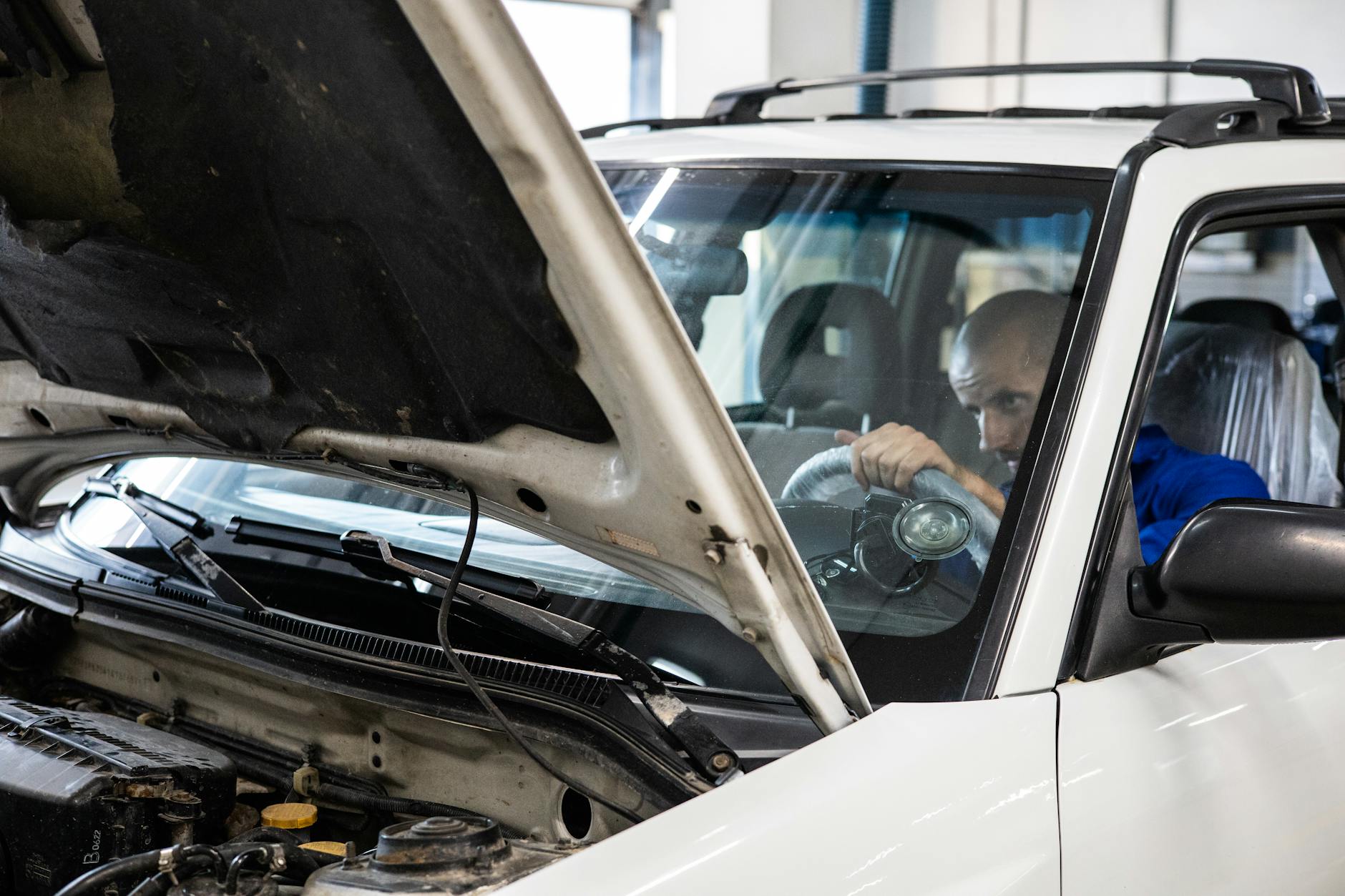
- A Pennsylvania car inspection takes 20–45 minutes (safety) plus 10–20 minutes (emissions).
- Average total time: 30–60 minutes for a vehicle passing without issues (PennDOT).
- Appointments cut wait time significantly; walk-ins wait behind repair work.
- A vehicle in good condition with lights, tires, and check engine light off will be fastest.
- Something like a check engine light, bald tires, or windshield cracks adds hours for repairs.
A standard Pennsylvania car inspection takes 20–45 minutes for the safety check and 10–20 minutes for an emissions test. Combined, most passenger vehicles are done in 30–60 minutes at a licensed inspection station. Factors that extend that time include failing components, a backlog of vehicles, or seasonal rushes in late February and early March.
Pennsylvania requires annual safety inspections for most registered vehicles, and emissions tests in 25 counties. The actual time at the shop depends on whether you drop off or wait, the station's appointment system, and mechanical condition of your car. This guide breaks down what happens during the inspection, realistic time estimates, and how to avoid delays.
1. How Long Does a Car Inspection Take in PA? Time Breakdown
What Is a Pennsylvania Car Inspection?
Pennsylvania law (Title 67, Chapter 175) requires all registered passenger vehicles to pass an annual safety inspection at a state-licensed inspection station. In 25 counties, a separate emissions test is also required under the Pennsylvania Department of Transportation (PennDOT) and the Department of Environmental Protection (DEP) regulations.
The inspection itself is a standardized checklist covering brakes, tires, lights, steering, suspension, horn, windshield, mirrors, seat belts, and several other safety items. The emissions test, where required, checks your vehicle's on-board diagnostics (OBD-II) system for trouble codes that indicate a malfunction in the emissions control system.
The combined process at a typical shop breaks down like this:
- Check-in and paperwork: 5–10 minutes
- Safety inspection (lift, visual check, brake test): 20–35 minutes
- Emissions test (OBD-II scan or tailpipe probe): 10–20 minutes
- Report, sticker, and payment: 5 minutes
A vehicle with no issues is typically completed in 30–45 minutes from arrival. A car that arrives with the check engine light on, bald tires, or other visible problems will almost certainly take longer, as the station must document each failure point and may need to discuss repairs with you.
Wait times before the inspection even begins can be the biggest variable. Most licensed stations perform inspections alongside regular repair work, so unless you have a scheduled appointment, you may sit in a queue behind other vehicles getting oil changes, brake jobs, or diagnostic work. Calling ahead to confirm current wait times, or booking an appointment, cuts the total elapsed time significantly.
2. What Extends the Time: Common Inspection Failures & Delays
Several conditions add significant time to a Pennsylvania inspection. The most frequent culprits involve visible safety items that the station must address before issuing a passing sticker:
- Check engine light on (emissions failure): The OBD-II system must show no active trouble codes. If the light is on, the vehicle automatically fails emissions. The station cannot simply clear the code, they may need to diagnose the problem, which can take 30 minutes to several hours.
- Tires with less than 2/32" tread depth: This is a safety failure. The station must measure each tire. Many shops recommend replacement on the spot, adding 30–45 minutes of labor time.
- Brake components worn below minimum thickness: Pads or shoes below inspection spec require immediate replacement, adding 1–2 hours depending on the axle.
- Headlight or taillight out: Simple bulb replacement takes 10–15 minutes, but if the station does not stock the correct bulb, it may need to order one or reschedule.
- Windshield cracks or chips larger than a quarter: A chip in the driver's line of sight or a crack longer than 6 inches typically fails. Replacement adds significant time and cost.
Beyond mechanical failures, administrative delays come into play. Stations must record all inspections and failures in the state's electronic system (the Pennsylvania Inspection System, or PENNDOT ISP). A system outage or slow connection can add 10–20 minutes. Some stations also require the vehicle owner to be present for the inspection, so if you drop off and leave, they may not begin work immediately.
Late February and early March, the final weeks before many vehicle registrations expire, see a rush of inspection appointments. Some stations report a 30–50% increase in volume during this period, and wait times for walk-ins can stretch to 2–3 hours. The same pattern occurs in late summer and early fall for the emissions renewal cycle.
PA Car Inspection Guide 2026
Step-by-step checklist, station finder, and repair cost estimates for Pennsylvania drivers.
READ PA INSPECTION RULES →3. How to Speed Up Your PA Car Inspection: Checklist for Faster Service
You can reduce total inspection time significantly with simple, free steps before you arrive:
- Schedule an appointment. Most independent stations and dealerships accept same-day or next-day appointments. Walk-ins wait behind repair work; appointments slot directly into the inspection bay.
- Check tires, lights, and windshield at home. Verify all exterior bulbs work (headlights, brake lights, turn signals, reverse lights). Measure tire tread depth with a penny, if you see Lincoln's head, the tire is below 2/32" and will fail. Look for windshield cracks larger than a quarter.
- Turn off the check engine light. If the light is on, the car will fail emissions. Have the underlying issue diagnosed and repaired before arriving. A shop cannot simply clear the code and pass it, the OBD-II system must show that all monitors have run since the last code clear, which can take several drive cycles.
- Bring your registration and proof of insurance. Missing paperwork adds 5–10 minutes of scanning time.
- Arrive with a clean car. Heavy mud or snow in wheel wells can block brake and suspension inspection points. A station has the right to refuse inspection until the vehicle is clean enough to see critical components.
- Arrive early or mid-week. Late Friday afternoons and Saturdays (where stations offer them) have the highest wait times. Early Tuesday or Wednesday morning tends to be the quietest.
If your car fails inspection, Pennsylvania law gives you a "repair order" with a list of items that need correction. You have 30 days (or until the end of your current registration month, whichever is later) to get the repairs done and have the vehicle re-inspected. The re-inspection covers only the failed items, not the full checklist, but the station may charge up to half the original inspection fee for the re-check.
Some stations offer "inspection while you wait" service. The Consumer Vehicle Inspection Station (CVIS) list on PennDOT's website helps you find stations that specifically advertise this service. Be aware that "while you wait" applies only to the inspection itself, if repairs are needed, the wait extends accordingly.
PA Car Inspection Guide 2026
Step-by-step checklist, station finder, and repair cost estimates for Pennsylvania drivers.
READ PA INSPECTION RULES →4. Real-World Trade-Offs: Licensed Stations vs. Dealerships vs. Quick Lubes
Where you go for your inspection affects both the total elapsed time and the quality of the check. Each type of station has different trade-offs:
| Station Type | Typical Inspection Time | Appointment Required? | Cost Range (Safety + Emissions) |
|---|---|---|---|
| Independent garage | 30–60 minutes | Recommended | $50–$80 |
| Dealership service center | 45–90 minutes | Usually yes | $70–$120 |
| Quick-lube / chain (e.g., Valvoline, Jiffy Lube) | 20–40 minutes | Often walk-in | $40–$70 |
| Specialty inspection-only stations | 20–30 minutes | Walk-in or appointment | $35–$55 |
Quick-lube chains often advertise the shortest inspection times, partly because their technicians focus exclusively on inspections without splitting attention between repair work. However, their inspection checklists can be less thorough than a full-service independent garage that also performs repairs. Dealerships tend to charge more and take longer, but their technicians are factory-trained and may catch brand-specific issues early. Independent stations offer a middle ground: competitive pricing and reasonable speed, though wait times depend heavily on their current repair load.
Hourly labor rates at dealerships are typically $130–$180, compared to $90–$130 at independent shops. However, the inspection fee itself is capped by state law at approximately $50 (safety) plus $20 (emissions), dealers may bundle these into a higher service fee, but the inspection sticker itself is the same.
Expert Tips
- Call three stations in your area and ask their current inspection wait time before going.
- Request a safety-only inspection if your car is registered in a non-emissions county (listed on PennDOT.gov/emissions).
- Keep a copy of your last inspection sticker with the station's name, if you return within 30 days after a repair, many waive the re-inspection fee.
- Inspection costs are not negotiable in Pennsylvania, the fee is set by state law per vehicle type.
- If you bring your own replacement parts, tell the station at check-in; some will install them during the inspection process.
Mistakes to Avoid
- Do not schedule your inspection the day before your registration expires, if you fail and need repairs, you may drive illegally. Leave at least 1–2 weeks.
- Do not assume a "pass" sticker means your car is mechanically perfect. The inspection checks minimum safety requirements, not overall condition.
- Do not take your car to a station that refuses to give you a written estimate for any repairs the inspection identifies, this is your right under Pennsylvania consumer protection law.
Pros and Cons
👍 Independent stations offer a good balance of price and thoroughness; quick lubes are fastest for problem-free cars; dealerships catch brand-specific issues early.
👎 Quick lubes may miss subtle problems; dealerships cost more and take longer; independent stations vary widely in wait times depending on the day's work load.
Bottom Line
A Pennsylvania car inspection takes 30–60 minutes for most vehicles. Plan ahead, check lights and tires yourself, and schedule an appointment to avoid the longest delays. Allow extra time in late February–March and late August–September.
Frequently Asked Questions
The actual safety inspection, the visual checks, lift, brake test, and sticker, typically takes 20–45 minutes. The emissions test adds another 10–20 minutes. Total time from check-in to driving away: usually 30 minutes to 1 hour for a car with no issues.
Yes, most stations allow you to wait in a customer area. Many advertise 'inspection while you wait' service. However, if repairs are needed, they may ask you to come back later. Some stations require the vehicle owner to be present for the inspection itself.
You receive a written repair order listing every failed item. You have 30 days (or until your registration month expires) to fix those items and return for a re-inspection. The re-inspection covers only the failed items, but the station may charge up to half the original fee. It is legal to drive a failed vehicle to a repair shop for the necessary work.
The state sets a maximum fee: safety inspection is approximately $50, and emissions inspection is approximately $20, for a combined maximum of $70. Some stations charge less; dealerships may bundle the inspection into a higher service fee. The inspection sticker itself costs nothing, the fee is for the inspection service.
Yes, 42 of Pennsylvania's 67 counties do not require emissions testing. Residents in those counties need only the safety inspection. You can check your county's status on the Pennsylvania Department of Environmental Protection (DEP) website. If you move to a non-emissions county, you must re-register your vehicle there within 30 days.
🔭 Explore More Topics
Related topics: how long does a car inspection take in pa, PA car inspection time, Pennsylvania safety inspection duration, how long is inspection at mechanic, can I wait during PA inspection, Pennsylvania inspection rush months, quickest car inspection in Pennsylvania, station types inspection time PA comparison, how to speed up PA vehicle inspection, what slows down PA car inspection, PA inspection failure time added
↑ Back to Top


