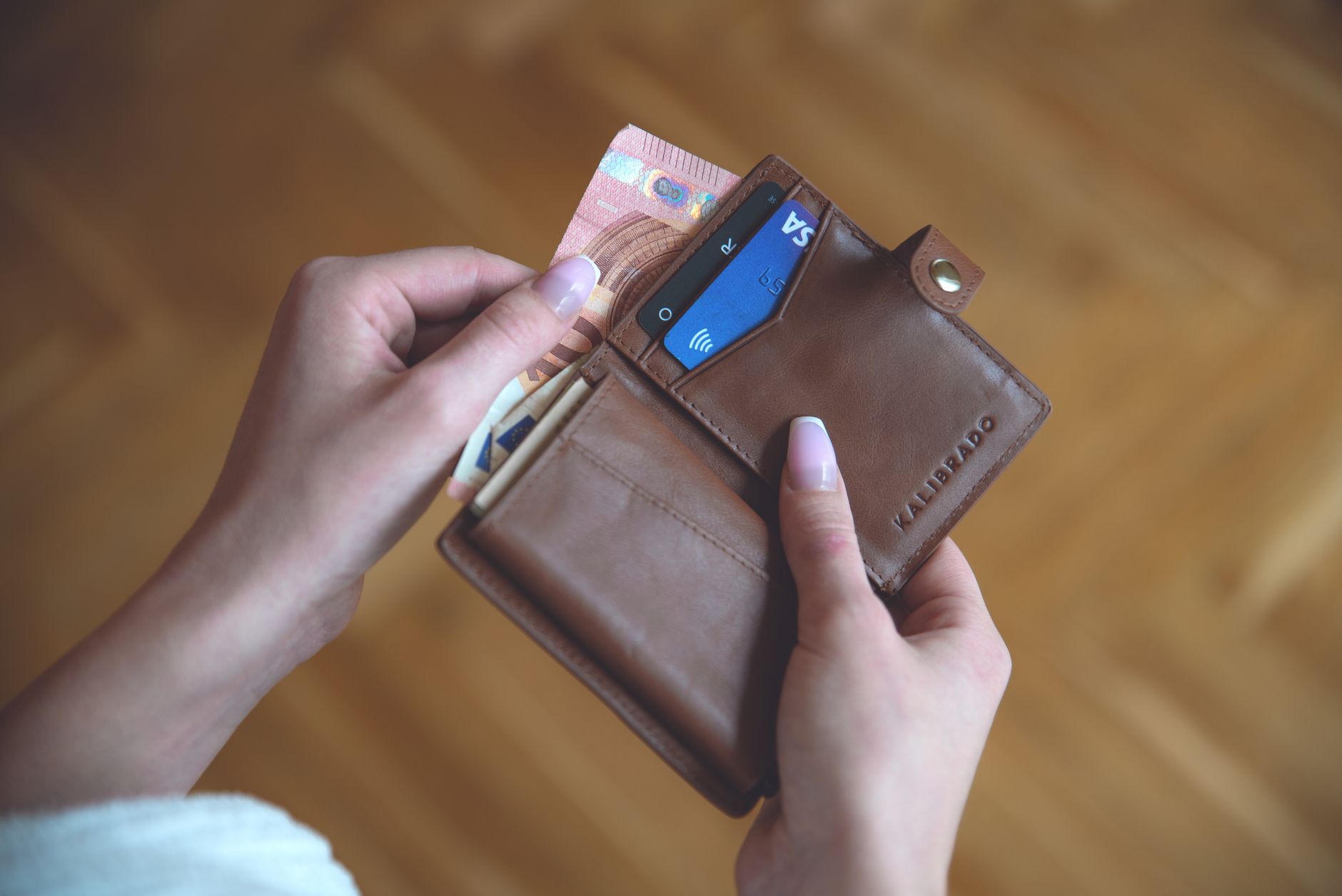
- Motorcycle wallets are slim, durable wallets designed for front pockets.
- Full-grain leather is the most popular and comfortable material (source: industry surveys).
- Chain wallets can scratch paint; metal wallets are heavier.
- Works well for riders who carry 4-6 cards and want comfort on long rides.
- Less suitable for riders who need to carry many coins or large tools.
A motorcycle wallet needs to be slim enough to fit in a jacket pocket, durable enough to withstand vibration and weather, and secure enough to stay put at highway speeds. Leather, nylon, and metal options all have trade-offs in weight, cost, and protection. The best choice depends on how you carry it and how much you carry.
Riding a motorcycle changes every pocket accessory. A bulky wallet in your back pocket is uncomfortable, can compress your spine, and may fall out at speed. Dedicated motorcycle wallets solve these problems with slimmer profiles, Strong materials, and features like RFID blocking or chain tethers. This guide covers the three main wallet styles, material options, and what to check before buying in 2026.
1. What Is a Motorcycle Wallet?
What Is a Motorcycle Wallet?
A motorcycle wallet is a wallet designed specifically for use while riding. It is slimmer, more durable, and more secure than a standard everyday wallet. Most models use leather, heavy-duty nylon, or metal construction to resist vibration, sweat, and weather. They are sized to fit in the front pocket or a jacket liner, not a back pocket, to improve comfort and reduce spinal pressure.
The key differences from a regular wallet are:
- Profile: Typically under 1 cm thick when empty. A thick wallet in a back pocket tilts the pelvis and causes discomfort on long rides.
- Closure: Many use a zipper, a fold-over flap with a snap, or a chain tether. Open-top wallets risk losing cards when riding over rough pavement.
- Material: Full-grain leather (durable, ages well), ballistic nylon (lightweight, water-resistant), or metal/RFID-shielded (max security, heavier).
Styles range from the classic biker chain wallet (popularized in the 1950s), the slim front-pocket cardholder, and the belt-mounted tool wallet that integrates with a riding belt. The right choice depends on how much you carry and how you ride.
One trend in 2026 is the rise of modular wallets that use elastic straps or magnetic closures to attach to riding jeans or jacket sleeves. Whether this is practical for daily use depends on the fit with your gear.
2. Best Materials: Leather vs. Nylon vs. Metal
Leather: The Traditional Choice
Full-grain leather is still the most common material for motorcycle wallets. It is durable, molds to your body over time, and ages well. A good-quality leather wallet can last a decade with basic care. The main downside is weight when wet, leather absorbs water and becomes heavy and stiff. If you ride in the rain regularly, a leather wallet needs periodic conditioning to stay usable.
Top-grain or genuine leather is thinner and lighter but less durable. For a riding wallet, full-grain is preferable. Brands like Saddleback Leather and Tanners use saddle-stitched full-grain construction that holds up to years of vibration.
Ballistic Nylon: Light and Weather-Resistant
Nylon wallets are lighter than leather and do not absorb water. Ballistic nylon (used by brands like Maxpedition and Rothco) resists tearing and dries quickly. The trade-off: nylon does not shape to your pocket the way leather does. Some riders find it slippery inside a jacket pocket. Zipper closure is common on nylon models, which keeps everything secure.
Metal / RFID: Maximum Protection, Heavier Carry
Metal wallets (aluminum, titanium, or carbon fiber) offer the best physical protection for your cards and cash. They are also the heaviest, typically 3 oz (85 g) to 5 oz (140 g) for a cardholder-size unit. They are not comfortable in a front pocket on a long ride. Most metal wallets include RFID blocking, which prevents electronic theft of contactless card data. If RFID theft is a concern in your area, a metal wallet is a solid choice.
One specific example: the Ridge Wallet (aluminum version) weighs about 2.7 oz (77 g) and blocks RFID at 13.56 MHz (standard for credit cards). Carbon fiber versions are lighter but cost more.
In our view, leather is the best all-around choice for most riders: comfortable, durable, and available at a good price. Nylon works well for wet-weather riders. Metal is best for riders who want RFID protection and don't mind the weight.
Motorcycle Wallet Buying Guide
Material comparisons, comfort tips, and style recommendations.
READ THE BUYING GUIDE →3. Types of Motorcycle Wallets and How to Choose
Chain Wallet
The chain wallet attaches to a belt or belt loop via a metal chain, typically 6–12 inches long. This prevents it from falling out of a pocket or being easily pickpocketed. The chain is usually nickel-plated steel or stainless. This style is classic biker aesthetic but has practical downsides: the chain can scratch the bike's tank or saddle if not tucked away.
Slim Front-Pocket Wallet
The most comfortable option for sport and adventure riders. It fits in a front jeans pocket or a jacket pocket. Even when sitting, it does not put pressure on the spine. Typical capacity: 4–6 cards plus a few folded bills. Many are RFID-blocking. Brands: Herschel Supply, Bellroy, Fjällräven.
Belt / Tool Wallet
This style mounts directly to your riding belt, often with a MOLLE-compatible or snap-on clip. It is intended for riders who want to keep their pockets empty. Capacity is limited to a few cards and cash. Compatibility with your specific riding belt is important, many are designed for 1.5-inch (38 mm) belt webbing.
How to Choose
- Decide where you will carry it: jacket pocket, front pants pocket, or belt-mounted.
- Count how many cards and bills you need. Most riders carry 4–6 cards (license, credit, debit, insurance, roadside assistance).
- Choose a material based on your climate: leather for dry climates, nylon for wet climates, metal for max RFID protection.
- Check the wallet's thickness when loaded. Anything over 1.5 cm (0.6 in) thick will be uncomfortable in a front pocket.
- Verify RFID blocking if you ride in crowded urban areas or use public transit to reach your bike. RFID theft is rare but possible; a wallet with a foil lining or metal shield is a cheap precaution.
Motorcycle Wallet Buying Guide
Material comparisons, comfort tips, and style recommendations.
READ THE BUYING GUIDE →4. Caveats and Considerations Before Buying
Common Limitations
- Chain wallets can scratch paint. The chain is usually steel or nickel. If it swings against the bike's tank, it can scratch the clear coat. Some riders wrap the chain in a leather sheath or use a short dog chain.
- RFID blocking is not tested by a standard body. Many wallets claim RFID protection without a published test method. Independent tests show that a simple foil lining blocks most readers, but some metal wallets let signals through depending on orientation. If absolute protection is critical, consider a dedicated RFID-blocking sleeve for your cards.
- Leather needs care. Full-grain leather wallets should be conditioned every 6–12 months to prevent drying and cracking. Nylon and metal require no maintenance.
- Belt-mounted wallets may interfere with riding gear. A MOLLE pouch or snap clip can rub against the inside of a riding jacket or leather belt. Try it on with your full gear before buying.
Expert Tips
- Carry your motorcycle wallet in your front pocket, never your back pocket. It saves your spine and protects the wallet from being lost.
- Choose a zippered or flap-closure model if you ride off-road or on rough pavement.
- Look for a built-in tool slot if you want to carry a multi-tool or emergency tool card (e.g., Leatherman-style credit card tool).
- Test the wallet with your riding gloves on, can you open and close the zipper or snap with gloves?
- If you use a phone mount on your handlebars, you probably carry fewer physical cards. A cardholder with space for 4 cards is usually enough.
Mistakes to Avoid
- Buying a wallet that is too thick. Even a leather wallet that looks slim when empty may bulge with cards stacked in each slot. Measure the total thickness when fully loaded.
- Ignoring the closure type. An open top wallet (cardholder style) will lose cards when riding over potholes or speed bumps.
- Assuming high price equals comfort. Some expensive leather wallets are stiff for the first 6 months. Nylon is broken in out of the box.
Pros and Cons
👍 Pros
- Slim profile reduces spinal pressure
- Chain or tether prevents loss
- RFID blocking available in most models
- Durable materials outlast regular wallets
👎 Cons
- Leather needs care and conditioning
- Chain wallets can scratch the bike
- Metal wallets are heavy for front pockets
- Some closures are hard to use with gloves
Bottom Line
A motorcycle wallet is a practical investmen for any rider. The best case material is high-quality leather (full-grain) for comfort and durability. For wet-weather riders, nylon is a strong alternative. The RFID feature is a modest bonus for urban riders. Avoid metal wallets unless you specifically need RFID protection or want a minimalist wallet for everyday carry off the bike.
Frequently Asked Questions
Full-grain leather is the most durable and comfortable for most riders. It molds to your shape over time and lasts for years with basic care. Ballistic nylon is a good choice for wet climates. Metal wallets offer the best RFID protection but are heavier and less comfortable in a front pocket during a long ride.
RFID credit card theft is rare but possible in crowded areas like train stations or large concerts. If you frequently ride in dense urban settings or park in places where pickpocketing is a concern, an RFID-blocking wallet is inexpensive insurance. Most leather and nylon wallets now include a foil layer at no added cost.
Chain wallets can scratch the bike's tank, paint, or seat if the chain swings against it. To avoid this, tuck the chain into your pocket or use a short chain that doesn't extend past the waist. Some riders wrap the chain in a leather sleeve. The risk is modest but worth considering if you care about the bike's paint.
Target a maximum thickness of 0.6 inches (1.5 cm) when fully loaded. A thicker wallet will be uncomfortable in a front pocket and may create spinal pressure if carried in a back pocket. Measure the wallet after you put all your cards and cash in, not when it's empty.
Yes, if you buy a wallet with a dedicated tool slot or a larger capacity. Some brands like Leatherman make credit-card-sized tool cards that fit in the bill compartment. Just check the wallet's dimensions, a Swiss Army knife or multi-tool adds bulk and may make the wallet too thick to be comfortable.
🔭 Explore More Topics
Related topics: motorcycle wallet, motorcycle wallet, biker wallet, chain wallet, riding wallet, motorcycle wallet 2026, what is a motorcycle wallet, best material for motorcycle wallet, motorcycle wallet RFID, motorcycle wallet chain, do i need a motorcycle wallet
↑ Back to Top


