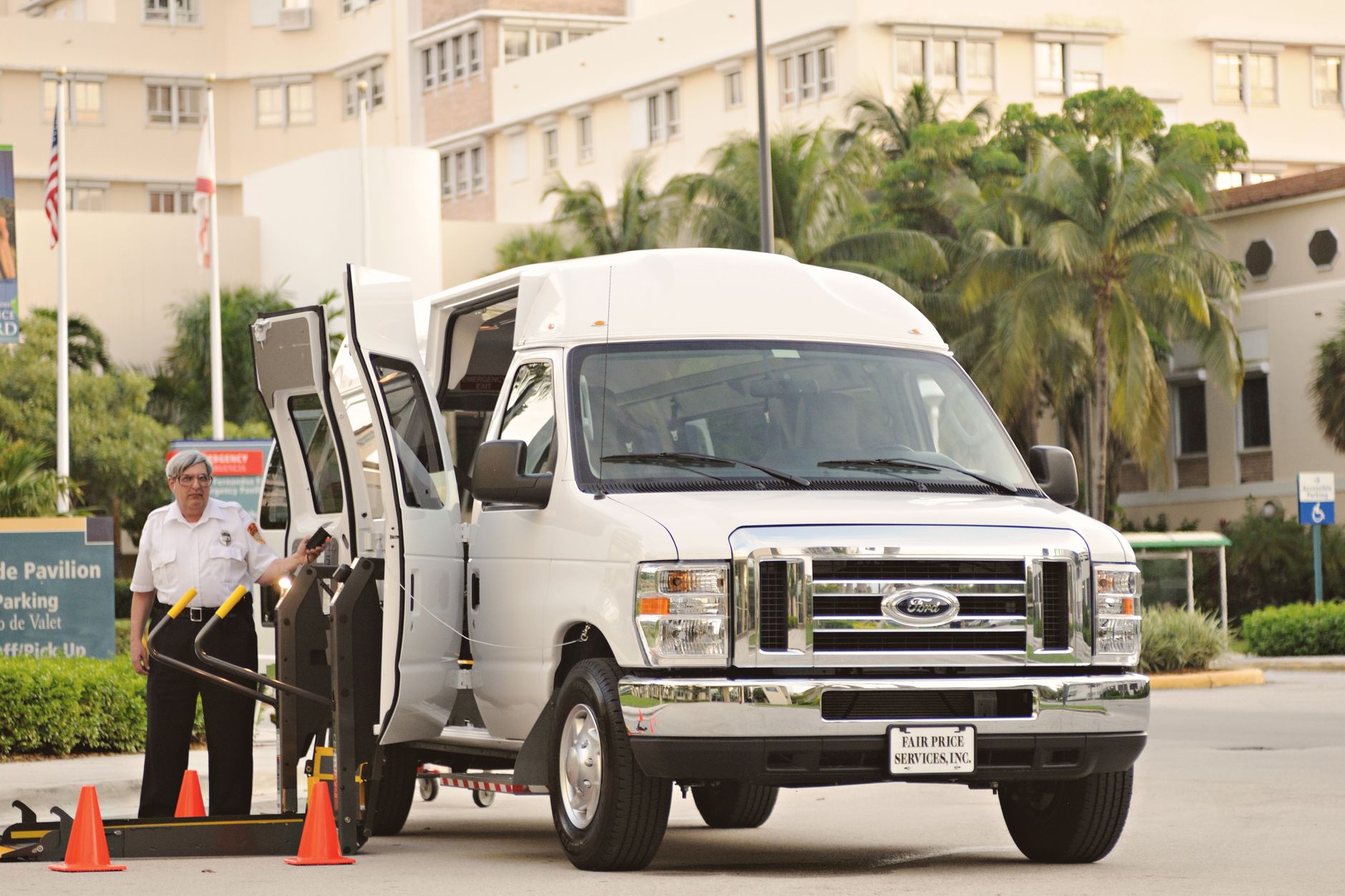
- NEMT insurance covers vehicles transporting patients to medical appointments.
- Average annual cost is $6,000–$15,000 per vehicle in 2026 (NAIC 2024 data + trend).
- Driver record and vehicle type are the two biggest cost factors.
- Works for fleets with clean records and documented safety programs.
- Less suitable for high-turnover driver operations with above-average claims frequency.
Non-emergency medical transportation (NEMT) insurance cost averages between $6,000 and $15,000 per vehicle annually depending on fleet size, driver history, and coverage limits. Premiums have risen 8–12% since 2023 due to increased claim severity and medical inflation. Operators typically need $1 million in liability coverage per incident.
NEMT insurance is a specialized commercial auto policy covering vehicles that transport patients to medical appointments. Unlike standard rideshare insurance, NEMT coverage must account for passengers with mobility challenges, medical equipment, and strict regulatory requirements. This article breaks down what drives costs, how to compare quotes, and strategies to lower premiums without sacrificing necessary coverage.
1. What Determines Nemt Insurance Cost in 2026
What Is NEMT Insurance?
NEMT insurance is a commercial auto liability policy designed for vehicles that transport patients to medical appointments, including ambulatory cars, wheelchair-accessible vans, and stretcher-capable vehicles. Unlike standard personal auto or rideshare coverage, NEMT policies must address patient mobility, medical equipment transport, and state-specific regulatory requirements.
Five primary factors drive the cost of NEMT insurance:
- Driver record and experience, A single at-fault accident in the past three years can increase premiums 30–50%. Clean records with 5+ years of commercial driving experience command the lowest rates.
- Vehicle type and usage, Wheelchair-accessible vans cost more to insure than standard sedans due to higher repair costs and equipment value. Annual mileage also matters; 30,000 miles per vehicle is a typical threshold for rate adjustments.
- Coverage limits, States like California require $1 million liability per incident (California Vehicle Code §1817). Operators serving Medicaid patients often carry $2–5 million in aggregate coverage.
- Passenger type, Transporting patients with cognitive disabilities or those requiring medical monitoring increases risk exposure. Some carriers decline coverage for bariatric transport or dialysis patients without specific endorsements.
- Claims history, A fleet with two or more liability claims in three years may see premiums double or face non-renewal. One large claim, a passenger fall resulting in a hip fracture, for instance, can cost an insurer $50,000–$100,000.
Geographic risk also matters. Urban areas with higher accident frequency and medical costs push premiums 15–25% above rural averages. Check Alaska RV Insurance if you operate in remote regions where claims costs can spike further.
| Factor | Impact on Premium (2026) | Notes |
|---|---|---|
| Clean driver record (3+ years) | −25% to −40% | No accidents or violations |
| Wheelchair van vs. sedan | +15% to +25% | Higher repair and equipment cost |
| $1M vs $2M liability limit | +20% to +35% | Second million costs less per million |
| Medicaid-contracted routes | +10% to +20% | Higher volume, more passenger transfers |
| Any at-fault claim (3 years) | +30% to +50% | Resets experience period |
2. How to Get the Best NEMT Insurance Rates in 2026
Getting a competitive NEMT insurance quote requires preparation. Insurers evaluate risk based on verifiable data, not just the type of vehicle you operate. Follow these six steps to improve your rate prospects.
- Screen and train drivers annually. Carriers look for drivers with a clean motor vehicle record (MVR) and no moving violations in the past three years. Implement a written driver safety policy and provide defensive driving training every 12 months. Document attendance.
- Choose the right vehicle for your routes. A standard sedan costs less to insure than a converted wheelchair van. If your trips are mostly ambulatory patients, consider a sedan to reduce premiums. For wheelchair-accessible fleets, vans with OEM-installed ramps may attract better rates than aftermarket conversions.
- Carry higher deductibles. Raising your comprehensive and collision deductible from $500 to $1,000 can reduce the physical damage portion of your premium by 10–15%. Keep enough cash reserves to cover the deductible if a claim arises.
- Bundle coverage with a single carrier. If you operate multiple vehicles or also need general liability, workers' comp, or garage liability, bundling with one insurer typically yields a 10–20% multi-policy discount. Compare standalone vs. bundled quotes annually.
- Use real-time GPS tracking and dashcams. Insurers including Progressive Commercial and Nationwide offer telematics programs. Installing dashcams and GPS trackers can earn a 5–10% discount. They also provide evidence in case of disputed claims, helpful when transporting vulnerable passengers.
- Review coverage limits annually against state requirements. Minimum liability limits vary widely: California requires $1 million per incident (CA Veh Code §1817), while Texas mandates $500,000, and Florida only $300,000. Florida operators need 12/25/10 PIP coverage under state law, which adds to costs. Adjust limits to match your state's minimums, carrying excessive limits you don't need wastes premium.
Most NEMT operators can reduce premiums 15–25% over two years by implementing driver training, choosing appropriate vehicles, and bundling policies.
Some insurers, like Broad Form Insurance Washington State operators, offer tailored NEMT packages. Independent brokers often have access to carriers not available through direct online quotes.
NEMT Insurance Cost Guide 2026
State-by-state rates, coverage requirements, and cost factors for NEMT operators.
VIEW INSURANCE RATE DATA →3. NEMT Insurance Cost by State and Vehicle Type (2026 Estimates)
NEMT insurance premiums vary significantly by location and vehicle class. The following table shows average annual premiums for a single vehicle with $1 million liability coverage, based on data from the National Association of Insurance Commissioners (2024 most recent full year) and adjusted for 2026 rate trends. These are estimates, actual quotes depend on your specific driver and claims history.
| State | Sedan (Amb) | Wheelchair Van | Stretcher Van |
|---|---|---|---|
| California | $8,500–$12,000 | $10,500–$15,000 | $14,000–$19,000 |
| Texas | $6,000–$9,000 | $8,000–$11,500 | $11,000–$15,000 |
| Florida | $7,000–$10,000 | $9,000–$13,000 | $12,500–$17,000 |
| New York | $9,000–$13,000 | $11,500–$16,000 | $15,000–$21,000 |
| Ohio | $5,500–$8,000 | $7,000–$10,000 | $9,500–$13,000 |
Several patterns emerge. California and New York are consistently the most expensive due to higher medical costs, litigation frequency, and stricter regulatory requirements. Florida's premiums are elevated partly because of high PIP claim rates, the state's no-fault system drives up bodily injury losses that get passed on to commercial policies.
Rates are variable and can change annually at renewal based on the carrier's loss experience in your area. Operators with a fleet of five or more vehicles may qualify for a loss-sensitive rating plan where premiums adjust based on actual claims, potentially lowering costs for safe fleets. Review your state's specific NEMT regulations each year, because mandated coverage limits can change. If you operate in high-cost states, consider Can Your Insurance Can Cancel After a Claim in Florida as a reference for policy stability in stricter markets.
NEMT Insurance Cost Guide 2026
State-by-state rates, coverage requirements, and cost factors for NEMT operators.
VIEW INSURANCE RATE DATA →4. Ways to Lower NEMT Insurance Costs Without Cutting Coverage
Two Strategies That Work for Most Fleets
Lowering NEMT insurance costs doesn't require reducing coverage limits. Two approaches consistently reduce premiums: improving driver selection and telematics use. A fleet that implements driver screening, MVR checks plus annual training, typically saves 12–18%. Adding telematics (GPS tracking with acceleration/braking monitoring) adds another 5–10% discount. Some carriers, including Progressive and Travelers, offer formal fleet safety programs with documented discounts.
Another option: forming a group purchasing arrangement with other NEMT operators. Several state NEMT associations negotiate group insurance plans for members. The Arkansas NEMT Association, for example, offers member rates 15–20% below individual market quotes (source: AR NEMT Association 2025 member survey). Check with your state's NEMT trade group before shopping individual policies.
Expert Tips
- Request quotes from at least three insurers, rates for identical coverage can vary 40% or more between carriers.
- Run a claims experience report annually to identify patterns (e.g., backing accidents, passenger falls) and address them through training.
- Ask about multi-vehicle discounts early, some insurers apply them automatically; others require explicit request.
- For seasonal operations, inquire about suspended-coverage periods when vehicles aren't in use to reduce annual premium.
Mistakes to Avoid
- Buying the minimum liability limit to save premiums, a single catastrophic claim can exceed state minimums and expose personal assets.
- Ignoring non-owned auto coverage when drivers use their personal vehicles for NEMT trips (common for small operators).
- Failing to disclose all drivers on the policy, undisclosed drivers cause claims denial and policy rescission.
- Skipping annual coverage reviews, state regulations change, and your fleet's risk profile evolves.
Pros and Cons
| Pros | Cons |
|---|---|
| Fleet safety programs lower premiums consistently | Telematics can feel invasive for some drivers |
| Bundling policies yields 10–20% savings | Group insurance plans require membership fees |
| Loss-sensitive plans reward safe fleets | Claims affect premiums immediately |
| Dashcam evidence prevents fraudulent claims | Recurring training costs time and money |
| State associations provide buying leverage | Standard insurers may not offer NEMT coverage |
Bottom Line
NEMT insurance costs are rising but manageable for operators who focus on driver safety, vehicle selection, and coverage calibration. Bundling and telematics produce the most reliable savings. ✅ Works well for fleets with clean records and documented safety programs. ❌ Less suitable for high-turnover driver operations where claims frequency is above the industry average (~0.5 claims per vehicle per year).
Before binding a policy, request a copy of the carrier's claims process and ask about their experience handling NEMT-specific incidents, passenger falls, medical events during transport, and equipment damage. Operators who refer to Cargo Insurance Subrogation Recovery Claim Against Carriers California Form may find similar documentation practices useful for NEMT claims management. This information is not personalized insurance advice, consult a licensed agent familiar with commercial transportation coverage.
Frequently Asked Questions
The average annual NEMT insurance cost ranges from $6,000 to $15,000 per vehicle depending on vehicle type, driver record, fleet size, and state of operation. A sedan on a clean record may cost $6,000–$9,000; a wheelchair-accessible van may run $9,000–$15,000. These figures assume $1 million liability coverage and 30,000 annual miles.
Yes, typically 20–40% more than standard commercial auto policies for similar vehicles. NEMT insurance includes higher liability limits (often $1 million vs. $300,000–$500,000 for standard commercial auto) and covers passenger transport risks, falls, medical events, and equipment damage, that standard policies exclude. The higher risk profile drives premium differences.
Four strategies consistently reduce premiums: (1) maintain clean driver MVRs and annual training, (2) raise deductibles from $500 to $1,000 for a 10–15% reduction, (3) bundle NEMT insurance with general liability or workers comp for a 10–20% multi-policy discount, and (4) install GPS tracking and dashcams for a 5–10% telematics discount. Shopping quotes from three or more carriers is essential.
Minimum liability coverage varies by state, California requires $1 million per incident (CA Veh Code §1817), Texas mandates $500,000, and Florida's minimum is $300,000. Many Medicaid contracts and commercial account clients require $1–2 million in aggregate coverage. Operators should also carry uninsured/underinsured motorist coverage and medical payments coverage for passenger injuries.
Yes, several national and regional carriers offer NEMT-specific policies, including Progressive Commercial, Nationwide, Travelers, and independent brokers through specialty markets. Not all standard commercial auto insurers write NEMT coverage, so working with an independent agent who understands the niche is recommended. Some state NEMT associations offer group insurance plans at 15–20% below individual market rates.
🔭 Explore More Topics
Related topics: nemt insurance cost, NEMT insurance, medical transportation insurance, commercial auto insurance NEMT, NEMT premium factors, how to lower NEMT insurance costs, NEMT insurance cost per vehicle, average NEMT insurance rates 2026, best insurance for NEMT operators, state NEMT insurance requirements, NEMT insurance California requirements


