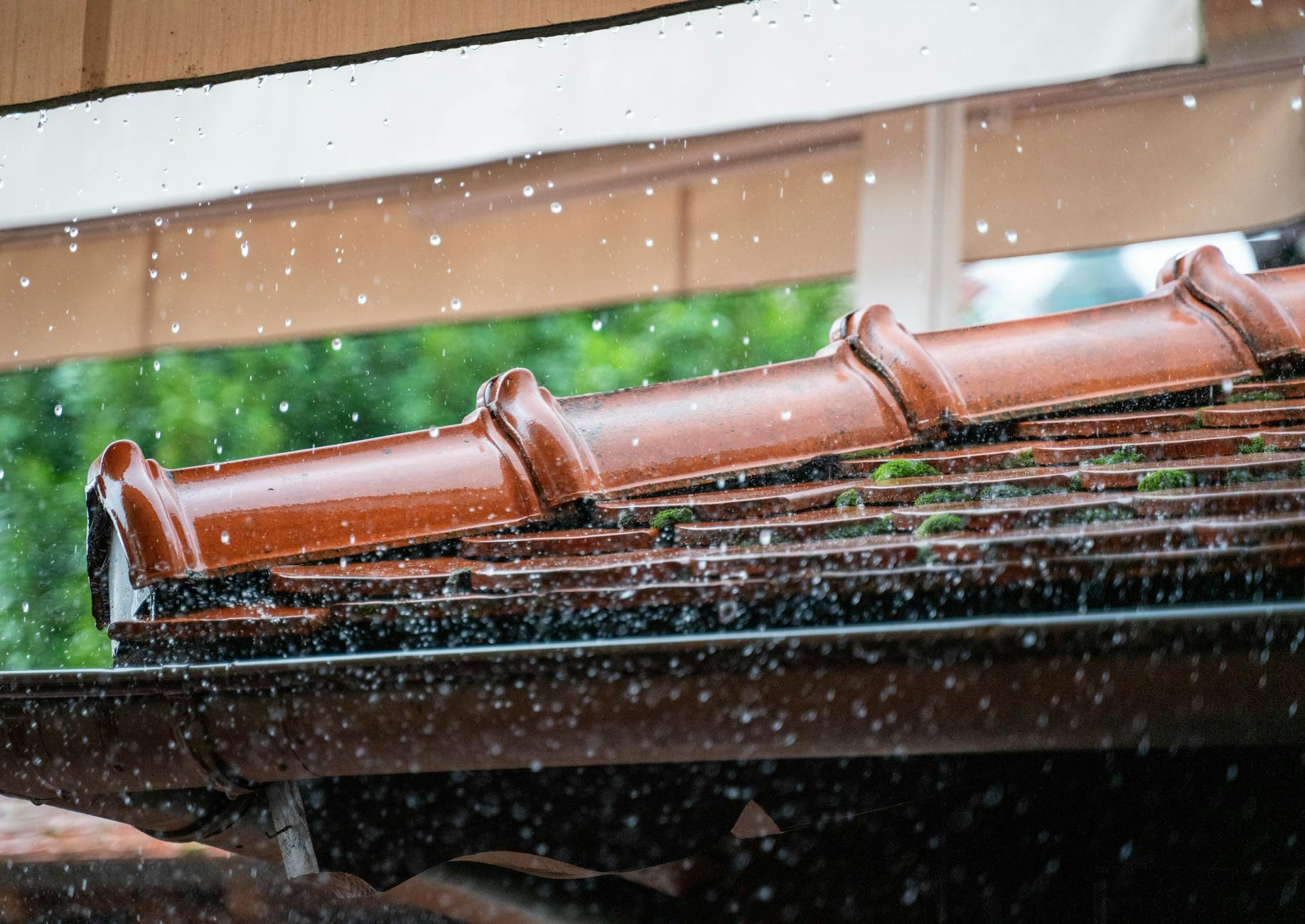
- Roof and gutter repair services address storm damage, blocked drainage, and material failures from heavy rain.
- The average cost of a roof leak repair in Australia is $400 to $1,200 (HIA cost guide, 2025-2026).
- Insurance claims for storm damage may be denied if gutters were blocked or maintenance was lacking.
- Works best when the roofer is licensed, insured, and provides written documentation for insurance claims.
- Replacement is usually more cost-effective than repair when the roof is over 20 years old or 30%+ damaged.
Yes, roof and gutter repair services in Australia are essential after heavy rain, but not all contractors are equipped for storm-related damage. The key is acting quickly on blocked gutters, lifted tiles, and flashing failures before water enters the roof cavity. A quality repair service will inspect, document, and certify the work for insurance claims and future weather events.
Australia's east coast has seen above-average rainfall totals in consecutive La Niña seasons, with the Bureau of Meteorology noting a 30% increase in intense downpour events since 2020. For homeowners, that means gutter blockages, slipped tiles, and corroded metal roofs are no longer unusual, they have become seasonal maintenance risks. This article explains what services are available, how to vet a roofer, and when a full replacement makes more financial sense than repeated repairs.
1. What Roof and Gutter Repair Services in Australia Cover During Heavy Rain
What Are Roof and Gutter Repair Services in Australia?
Roof and gutter repair services cover the inspection, cleaning, and restoration of roof coverings and water-drainage systems on residential and commercial buildings. In Australia, these services are distinct from new-roof installations and are typically carried out by licensed roof plumbers or general roofers depending on the scope of work.
After heavy rain, the most common callouts fall into a few categories. A 2024 report from the Insurance Council of Australia listed storm-related roof and gutter damage as the top cause of home insurance claims in Queensland and New South Wales, accounting for roughly 38% of claims in the 2023-24 financial year.
Typical services include:
- Gutter cleaning and unblocking, removing leaf litter, debris, and bird nests that cause overflow and water intrusion.
- Tile replacement and refixing, replacing cracked, slipped, or lifted concrete and terracotta tiles after high winds or heavy rainfall.
- Flashings repair, resealing or replacing metal flashings around chimneys, skylights, and valleys where water penetration is common.
- Roof re-bedding and pointing, replacing degraded cement bedding that holds ridge capping tiles in place, a frequent failure point on tile roofs.
- Metal roof leak detection and patching, identifying screw, seam, or sheet failures on Colorbond or zincalume roofs.
Most reputable services will also provide a written report and photographic evidence of damage for insurance purposes, something many homeowners discover is critical only after their claim is questioned.
2. How to Choose a Roof and Gutter Repair Service After Heavy Rain
What to Look for in a Contractor
Choosing a repair service after heavy rain requires more than a Google search for the nearest roofer. In Australia, roofing work is regulated at the state level, and requirements vary significantly. In New South Wales, a roofing licence (class 2 or 3) is required for work over a certain value. In Victoria, roof plumbers must be registered with the Victorian Building Authority (VBA). Always verify the contractor's licence through your state's building regulator before work begins.
Follow this step-by-step process when vetting a service:
- Confirm licensing and insurance. Ask for the contractor's licence number and verify it against the state register (e.g., NSW Fair Trading, VBA, QBCC in Queensland). Ensure they carry public liability insurance of at least $5 million and workers' compensation.
- Request a written scope of work. A reliable repair service will provide a detailed quote listing each repair item, materials to be used, and warranty terms. Avoid verbal-only quotes for storm repairs, they make insurance claims harder to substantiate.
- Ask about storm-documentation protocols. Services that regularly handle heavy rain damage will document pre-existing issues, damage photos, and completed repairs. This documentation is essential if you intend to claim on home insurance.
- Check references or online reviews specific to storm repairs. Not all roofers handle emergency callouts. Look for reviews mentioning emergency response time, water damage mitigation, and communication during weather events.
- Get at least three quotes for larger jobs. For repairs exceeding $3,000, comparing quotes helps you avoid inflated pricing that sometimes follows widespread storm events.
Be cautious of contractors who show up unannounced after a storm, a practice known as storm-chasing. In 2023, Consumer Affairs Victoria issued warnings about unlicensed operators soliciting repair work in storm-affected suburbs.
Australian Roofing Cost Guide 2026
Repair costs, contractor checklists, and insurance claim tips for homeowners.
VIEW OFFICIAL ROOFING GUIDE →3. Roof Replacement vs Repeated Repairs: When to Replace After Heavy Rain
When Does Repair Stop Making Sense?
Heavy rain can reveal underlying wear that multiple small repairs will not solve. If a roof has undergone three or more significant repairs in the past five years, or if the roof covering is older than 20 years for tile roofs or 25 years for metal roofs, replacement may be more cost-effective than another repair. The decision depends on the roof type, the extent of damage, and local replacement costs.
Key factors that suggest replacement over repair include:
- Widespread tile or sheet damage. If more than 30% of the roof area has cracking, corrosion, or dislodged tiles, replacement is usually cheaper than piecemeal repairs over the following years.
- Sarking failure. The sarking (a reflective foil or membrane under the roof) can degrade over time. If it is torn or missing after a storm, replacing the roof allows new sarking to be installed, improving thermal performance and weatherproofing.
- Structural movement. A roof that has shifted, sagged, or separated from the frame due to water damage may require structural repairs or full replacement. This is not a DIY fix.
- Colorbond rust or perforation. Metal roofs with extensive surface rust or pinhole leaks near screw fixings are nearing end of life. Patching these can become a recurring expense.
| Factor | Repair Likely Sufficient | Replacement Recommended |
|---|---|---|
| Roof age | Under 15 years (tile) or 20 years (metal) | Over 20 years (tile) or 25 years (metal) |
| Damage extent | Isolated leaks, fewer than 10 broken tiles | More than 30% of surface damaged |
| Leak frequency | Leaks occur only during extreme storms | Leaks every rain event |
| Sarking condition | Intact, minor tears only | Torn, missing, or ineffective |
| Insulation condition | Dry, no mold growth | Water-damaged, mold present |
A useful rule of thumb: if the total cost of all repairs over 2 years approaches 70% of the cost of a new roof, replacement is the better financial decision. A new Colorbond roof for an average Australian home (200 square metres) typically ranges from $12,000 to $20,000 as of early 2026, depending on pitch, complexity, and location (source: Housing Industry Association cost guide).
Australian Roofing Cost Guide 2026
Repair costs, contractor checklists, and insurance claim tips for homeowners.
VIEW OFFICIAL ROOFING GUIDE →4. Common Gutter and Roof Failures After Heavy Rain in Australia
Where Damage Happens First
After heavy rain, gutter systems and roof edges fail before the main roof field. The most typical failures observed by Australian roof plumbers include gutters overflowing at the joins, downpipes blocked at the base by accumulated debris, and valley flashings where two roof planes meet. In homes with box gutters (common in Queensland), internal overflow failure can cause ceiling collapse within hours if the primary outlet is blocked.
A 2024 investigation by the Australian Building Codes Board found that approximately 60% of storm-related water ingress complaints occurred within 500 mm of the roof edge, specifically failed flashings or gutter overflows. This reinforces why gutter cleaning before storm season is not optional.
Other frequent issues after heavy rain:
- Split or crushed downpipes, where gutters discharge into buried pipes that collapse under soil pressure. Water backs up into the eaves.
- Bird nests and leaf blockages in gutter outlets. Even leaf guard systems can fail if fine debris accumulates beneath the mesh.
- Valley iron corrosion, valleys on metal roofs often rust first because they receive the most water flow and debris build-up.
These failures are predictable and mostly preventable with seasonal maintenance.
Expert Tips
- Inspect gutters and downpipes twice a year, before autumn leaf fall and again before the heavy rain season in your region.
- Check for debris blockages by running a hose through the downpipe while a second person watches the discharge point. Slow flow indicates a partial block.
- Request a sarking condition check during any roof repair, a degraded sarking membrane is a common hidden cause of persistent roof leaks.
- After a storm, walk the perimeter and note any gutter overflow marks on walls or overflow stains at joins, these indicate areas that may still be blocked.
- Keep a log of all roof work with dated photos for insurance, policies often require proof of maintenance for leak claims to be accepted.
Mistakes to Avoid
- Ignoring small leaks because they appear minor, persistent dampness can cause timber rot, mold, and structural damage within months.
- Attempting roof repairs during rain. Rubber sealants and temporary patches often fail when applied on wet surfaces, worsening the leak.
- Hiring a contractor based solely on the lowest quote for storm repairs, a low price may indicate substandard materials or unlicensed work.
- Postponing gutter cleaning until the next heavy rain arrives. By then, blockages may already be causing overflow damage to eaves and downpipes.
- Accepting a verbal-only warranty. Written warranties on repairs should state the scope, duration, and what is covered if the repair fails in the next rain event.
Pros and Cons
👍 Pros of professional repair after heavy rain:
- Expert identification of hidden damage (sarking, battens, insulation).
- Documentation for insurance claims that meets insurer requirements.
- Warranted work on flashings, re-bedding, and gutter repairs.
- Can often complete emergency tarping within hours of a callout to prevent further water ingress.
👎 Cons to be aware of:
- Costs can be high for emergency callouts during storm season (often $150–$250 per hour minimum).
- Backlog after major storms, reputable contractors may be booked weeks out.
- Some temporary repairs may not be covered under standard building warranty periods.
- Risk of unlicensed contractors soliciting work after storms in affected suburbs.
Bottom Line
For most Australian homeowners, professional roof and gutter repair services are necessary after heavy rain, but the choice of contractor and the timing of the response matter more than the repair itself. A verified licensed roofer who documents the work, uses appropriate materials, and provides a written warranty is almost always a better investment than the cheapest option available. For roofs approaching 20 years of age with repeated leaks, replacement is often the more economical path over a 5-year horizon.
Frequently Asked Questions
Costs vary by location, roof type, and the extent of damage. A standard gutter cleaning service costs $150 to $300 for a single-storey home. Tile replacement typically runs $15 to $30 per tile including labour. Metal roof leak detection and patching often ranges from $200 to $600 depending on accessibility. Emergency callouts during or immediately after a storm can add $100 to $200 to the base rate. These estimates are based on industry averages reported by the Housing Industry Association and Master Builders Australia for 2025-2026.
Most Australian home building policies cover storm damage to roofs and gutters, but the conditions differ between insurers. Coverage typically includes damage from wind, rain, hail, and lightning, but not damage from gradual wear and tear, blocked gutters, or lack of maintenance. If your gutters were blocked at the time of the storm, the claim may be denied. Insurers often require evidence of regular gutter cleaning and roof maintenance. Always check your policy wording and document any emergency repairs with photos before the insurance assessor arrives.
As soon as it is safe to do so, ideally within 24 to 48 hours. Water damage to ceiling timber, insulation, and wall cavities accelerates over time. If you notice water stains, ceiling sag, or damp patches on walls, arrange a professional inspection immediately. Contractors can often apply a temporary tarp or waterproofing within hours of a callout, which prevents further damage while you wait for a full repair. The longer water sits in the roof cavity, the higher the risk of mold growth and structural timber rot.
For investment properties, yes, the Australian Taxation Office (ATO) allows an immediate deduction for repairs and maintenance that restore the property to its original condition after damage from a storm event. This includes gutter cleaning, tile replacement, and flashing repairs. You cannot claim a deduction for improvements that upgrade the property beyond its original state, those must be capitalised and claimed as capital works deductions over time. For owner-occupied homes, no tax deduction is available for roof or gutter repairs.
Signs that suggest replacement over repair include: widespread tile cracking or displacement affecting more than 30% of the roof area; sagging sections indicating structural beam or batten failure; extensive corrosion on metal roofs where patching would be continuous; and persistent interior leaks despite multiple repairs. A roof that is over 20 years old for tile or 25 years for metal, and requiring frequent repairs, is likely nearing end of life. A structural roof inspection from a licensed builder can give you a clear replacement vs. repair assessment.
🔭 Explore More Topics
Related topics: roof and gutter repair services australia heavy rain, roof repair after storm Australia, gutter cleaning after heavy rain, emergency roof repair Australia, storm damage roof repair cost, how to find a licensed roofer in Australia, is roof replacement better than repair after heavy rain Australia, what does roof repair insurance cover in Australia, Australian gutter maintenance before storm season, how to claim roof damage on home insurance Australia, signs roof needs replacement after heavy rain


