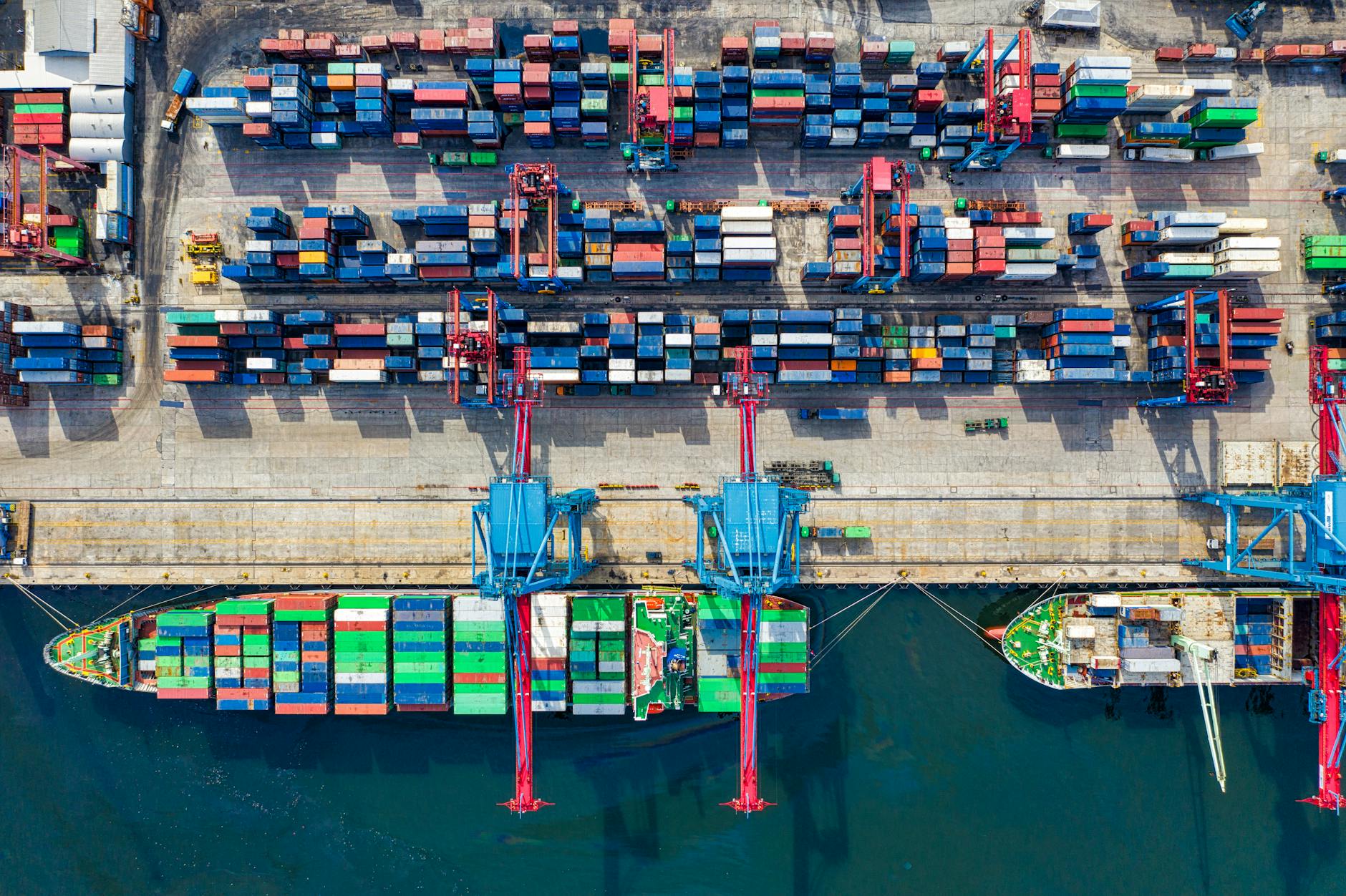
- CDF is asset-based lending where a lender pays a manufacturer for dealer inventory.
- Interest rates range from prime +1% to prime +5% (ELFA, early 2026 data).
- Dealers must make curtailment payments on unsold inventory after 90 days.
- Works well for high-turnover industries like automotive and heavy equipment.
- Less suitable for slow-moving or seasonal inventory without cash reserves.
Commercial distribution finance (CDF) is an asset-based lending arrangement where a lender funds a manufacturer's inventory held by its dealer network. The manufacturer receives payment within days of shipment, while the dealer pays the lender once the inventory sells, typically within a 60-to-90-day term. This structure improves cash flow for both sides and keeps the supply chain moving without tying up working capital.
Businesses that rely on a multi-tier distribution chain, automotive, heavy equipment, electronics, and building materials, commonly use CDF. CDF remains a practical alternative to traditional credit lines because it directly links repayment to actual inventory turnover. This guide explains how CDF works, who uses it, what it costs, and where the risks sit.
1. How Commercial Distribution Finance Works
What Is Commercial Distribution Finance?
Commercial distribution finance (CDF) is a short-term, asset-based credit facility in which a lender pays a manufacturer for inventory that has been shipped to a dealer. The dealer then repays the lender, not the manufacturer, after the inventory is sold, usually within a 60- to 90-day period. The lender holds a security interest in the inventory as collateral.
CDF is distinct from typical business loans or lines of credit because the financing is tied to specific inventory units. When a dealer sells the item, the repayment obligation to the lender is triggered. This structure is most common in industries where inventory is high-cost and moves through a distributor network: automotive, marine, motorcycles, recreational vehicles, heavy equipment, and consumer electronics.
- Manufacturer benefit: Receives payment from the lender shortly after shipment, improving cash flow and reducing days sales outstanding (DSO).
- Dealer benefit: Carries inventory without using its own working capital or committing to a traditional bank loan.
- Lender benefit: Earns interest and fees on a secured asset that typically turns over quickly.
The three parties involved (manufacturer, lender, and dealer) operate under a tri-party agreement. The manufacturer approves the dealer for the financing program. The lender underwrites the dealer and sets interest rates based on the dealer's credit and inventory turnover history. The dealer manages the stock and reports sales to the lender, who then invoices the dealer for the amount due.
For 2026, interest rates on CDF facilities generally range from prime plus 1% to prime plus 5%, according to industry data from the Equipment Leasing and Finance Association (ELFA). Rates depend on the dealer's credit profile, inventory type, and the lender's appetite. A dealer with strong turnover and clean credit may pay around prime plus 1.5%; a weaker one might see prime plus 4% or more.
2. Key Features of CDF: How Inventory Gets Funded
CDF agreements include several structural components that distinguish them from standard credit lines. The most important is the floor plan, the list of inventory units the lender finances for a dealer at any given time. Each unit has a specific cost, and the lender pays that cost to the manufacturer upon shipment.
Floor plan limit: The lender sets a maximum dollar amount or maximum number of units it will finance based on the dealer's historical sales velocity, credit history, and net worth. A dealer selling 70 vehicles per month at an average cost of $35,000 might negotiate a limit that covers up to 90 days of inventory, roughly 210 units, or $7.35 million.
Curtailment schedule: Most CDF agreements require the dealer to make partial payments (curtailments) even if the inventory has not sold, typically after 90 days, then again at 180 days. This prevents a dealer from holding aged stock indefinitely. Curtailments reduce the outstanding balance and force the dealer to sell or pay down slow-moving units.
- Standard curtailment: 10% of the unit cost due at 90 days; another 10% at 180 days; full payoff at 270 days or upon sale.
- Some lenders use a flat 30-day, 60-day, 90-day aging schedule with no curtailment, only full payment at sale or default.
Interest accrual: Interest is calculated daily on the outstanding balance for each unit. Most lenders use a simple interest formula. A unit that costs $30,000 at an annual rate of 8% accrues about $200 in interest per month (30,000 × 0.08 / 12). If it sells in 45 days, total interest is approximately $300. The dealer pays the accrued interest with the principal when the unit sells.
Audit and reporting: Lenders require periodic physical audits of dealer inventory, quarterly or semi-annually, to confirm the units exist and are in salable condition. Dealers also submit monthly sales reports and sometimes daily transaction feeds. The lender cross-references reported sales with inventory movement to detect missing or sold-but-unreported units.
Commercial Finance Basics Guide
Inventory financing rates, lender options, and risk considerations.
VIEW COMMERCIAL FINANCE BASICS →3. Costs, Fees, and Typical Rate Structure
Commercial distribution finance is not free, and the total cost depends on rate, term, and ancillary fees. a dealer borrowing $5 million annually might pay between $40,000 and $100,000 in interest and fees, depending on credit strength and rate environment (ELFA data).
| Fee Type | Typical Amount | Notes |
|---|---|---|
| Interest rate (APR) | Prime + 1% to Prime + 5% | Prime rate was 4.25% as of early 2026 (Federal Reserve) |
| Origination fee | 0.5% to 1.5% of the credit line | One-time, covers underwriting and setup |
| Annual facility fee | 0.25% to 0.5% of the unused line | Charged on the portion of the limit the dealer does not use |
| Curtailment penalty (if late) | $100 to $500 per missed curtailment | Varies by lender; some do not charge penalties, only interest |
| Audit fee | $500 to $2,500 per audit | Charged to dealer; covers field inspection of inventory |
| Wire fee | $10 to $35 per wire | For each disbursement to the manufacturer |
Rates and fees were typical as of early 2026; actual terms vary by lender and dealer credit profile. Prime rate is set by the Federal Reserve and subject to change.
For a dealer drawing the full $5 million limit at prime plus 2% (total 6.25% in early 2026), with an average hold time of 45 days, annual interest costs would be approximately $39,000 ($5M × 0.0625 × 45/365). Adding origination (0.75%) and audit fees ($1,500) brings the first-year total to roughly $82,000. Without CDF, the dealer would need to finance that inventory on its own balance sheet or with a more expensive unsecured line, likely at a higher rate.
Commercial Finance Basics Guide
Inventory financing rates, lender options, and risk considerations.
VIEW COMMERCIAL FINANCE BASICS →4. Risks, Limitations, and When CDF Makes Sense
CDF works well for dealers with predictable inventory turnover but carries risks that borrowers should understand before signing a tri-party agreement.
- Interest rate risk: CDF rates float with prime. If the Fed raises rates, the dealer's monthly interest expense increases on existing inventory, no refi needed. A dealer carrying 90 days of stock at prime plus 3% sees a full 100-basis-point hike add roughly $1,250 per $1 million of outstanding balance annually.
- Inventory obsolescence: If a product line loses demand (model changeover, recall, seasonal shift), the dealer may struggle to sell units before curtailments come due. Aging inventory triggers curtailment payments from operating cash, which some dealers lack.
- Audit risk: A failed audit, missing units, unreported sales, or damaged inventory, can lead to immediate acceleration of the facility or termination. Lenders treat discrepancies seriously because the inventory is their sole collateral.
- Concentration risk: A dealer relying on a single manufacturer or model line faces higher risk. If the manufacturer delays shipments or goes out of business, the dealer holds nonperforming inventory while still owing the lender.
CDF is less suitable for businesses with thin margins on slow-moving inventory or for dealers who cannot fund curtailments from other sources. It is also not ideal for e-commerce resellers whose inventory lives in a third-party warehouse, most CDF lenders require physical access for audits and prefer fixed dealership locations.
CDF rates and fees were verified using publicly available lender disclosures and ELFA member survey data from early 2026. They may have changed since then. This article is informational and does not constitute personalized financial advice. Consult a commercial lending specialist before entering a CDF agreement.
Expert Tips
- Negotiate the curtailment schedule before signing, longer initial terms (e.g., 120 days) reduce pressure on slow-moving units.
- Use CDF for high-velocity inventory only; finance niche or seasonal stock separately to avoid cost penalties.
- Request quarterly audit cycles instead of monthly to reduce audit fees and administrative burden.
- Maintain a minimum 30-day cash reserve to cover curtailments if inventory stalls unexpectedly.
- Compare three to five lenders before choosing, rate spreads of 2% on $5 million equal $100,000 annually.
Mistakes to Avoid
- Ignoring the floor plan limit: a dealer who exceeds the agreed limit faces a default event and potential shutdown.
- Reporting sales late: every unreported sale triggers an aging discrepancy that lenders flag during audits.
- Mixing CDF-funded and cash-funded inventory in the same location without clear records, auditors will assign all unmarked units to the lender.
- Using CDF for inventory that sits longer than 60 days on average, the interest cost eats into margins.
Pros and Cons
- Pros: Improves manufacturer cash flow without discounting; dealer preserves working capital; turns inventory into a self-liquidating asset; secured by tangible goods.
- Cons: Floating interest rate exposes borrower to Fed hikes; curtailment obligations can strain cash flow; physical audits are intrusive; obsolescence risk shifts to the dealer.
Bottom Line
CDF is a proven inventory financing tool for dealers who sell high-cost goods with predictable turnover. It works well when the manufacturer is stable, the dealer has strong sales velocity, and the lender offers competitive floating rates. ✅ Strong choice for automotive, marine, and heavy equipment dealers with 30-to-60-day inventory cycles. ❌ Less suitable for seasonal or niche inventory where turnover exceeds 90 days, or for dealers without cash reserves to cover curtailments.
Frequently Asked Questions
Yes, commercial distribution finance is often called floor planning, especially in the automotive and equipment industries. Both refer to a lender paying the manufacturer for inventory shipped to a dealer, with the dealer repaying the lender upon sale or after a set period.
Major banks (Wells Fargo, Bank of America, Chase) offer CDF through dedicated asset-based lending groups. Specialized lenders like DLL, Volvo Financial Services, and Kubota Credit also provide distribution finance. Rates and underwriting vary significantly by lender and industry.
Automotive and heavy equipment dealers are the largest users, but it is also common in marine, RV, powersports (motorcycles/ATVs), commercial trucking, agricultural equipment, and consumer electronics distribution.
CDF agreements are usually open-ended revolving lines that renew annually. Each unit's repayment term depends on the sale, typically 30 to 90 days, but the facility itself can run for years as long as the dealer meets reporting and payment obligations.
The lender can seize and sell the financed inventory to recover the outstanding balance. If the sale proceeds fall short, the lender may pursue the dealer for the deficiency. Default also blocks the dealer from using CDF again and can trigger acceleration of the entire facility.
🔭 Explore More Topics
- Equipment Leasing and Finance Association (ELFA), Industry Survey, 2026
- Federal Reserve, Selected Interest Rates (Release H.15), Early 2026
- Wells Fargo Commercial Distribution Finance, Product Disclosure, 2026
- Bank of America, Asset-Based Lending Terms, 2026
Related topics: what is commercial distribution finance, commercial distribution finance definition, commercial distribution finance rate 2026, floor plan financing, inventory financing, how does commercial distribution finance work, is commercial distribution finance the same as floor planning, what industries use floor planning finance, commercial distribution finance cost, CDF vs traditional business loan, commercial distribution finance for dealers


