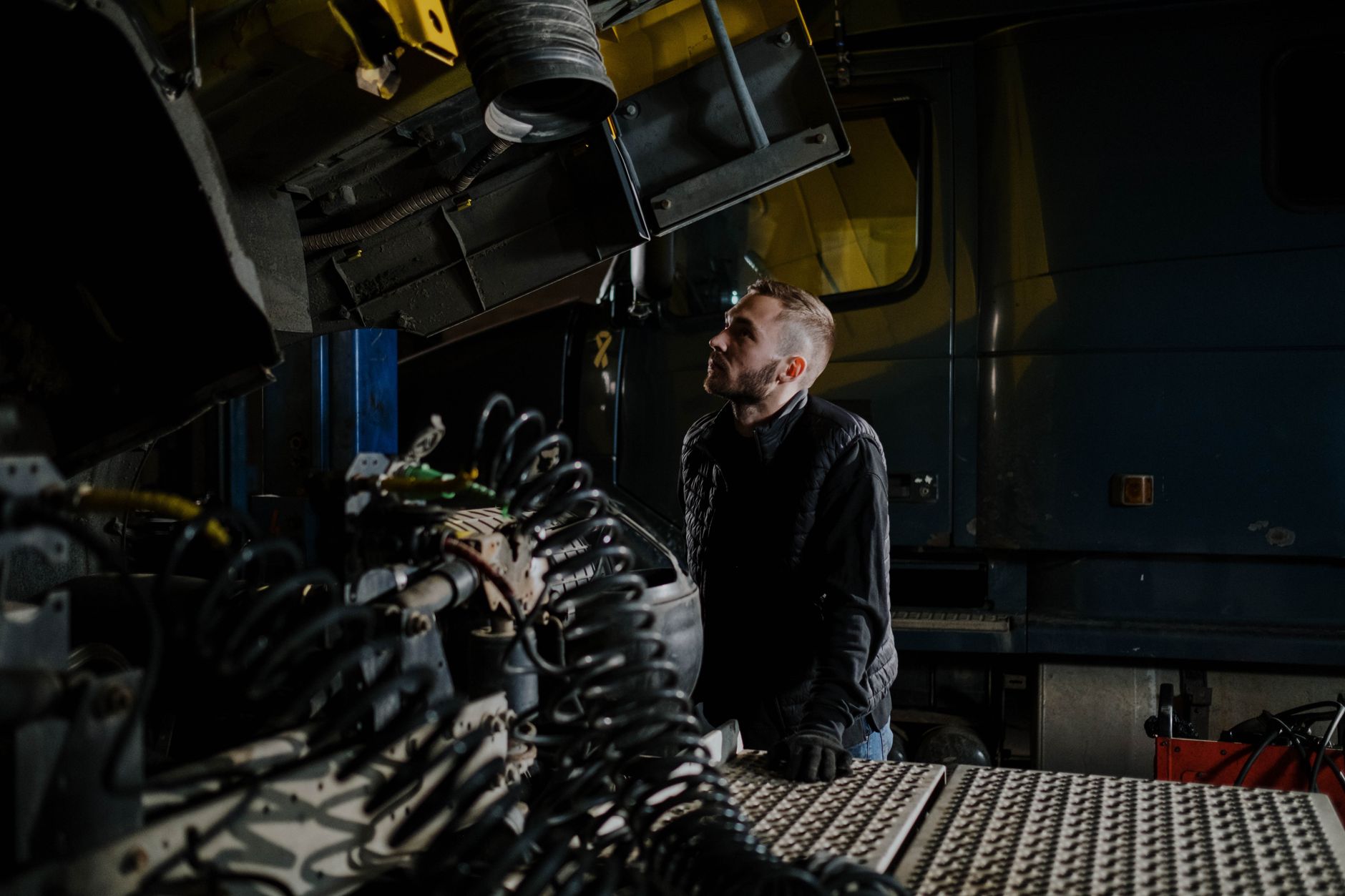
- Pro trailer repair covers brakes, axles, frames, electrical, and suspension.
- Median brake repair cost per axle is $350 (independent shops, 2026).
- DIY saves 40-60% on labor but requires tools and safety knowledge.
- Safer to hire a pro for axle replacement and frame welding.
- Less practical for simple wiring or bearing jobs if you have basic skills.
Pro trailer repair costs depend heavily on the type of trailer, the damage, and your location. Brake jobs average $200 to $600 per axle, axle replacement runs $500 to $1,500, and frame repairs can exceed $2,000. Understanding common issues and their price ranges helps you decide whether a professional or a DIY approach fits your need.
Trailers endure constant road vibration, weather exposure, and heavy loads, components fail regularly. Whether you own a utility trailer, a boat trailer, or a car hauler, knowing what pro repair costs and when it's worth the shop visit can save hundreds of dollars. This guide breaks down common trailer repairs, typical price ranges, and the key questions to ask before authorizing work.
1. Pro Trailer Repair Basics: What It Is and Common Issues
What Is Pro Trailer Repair?
Pro trailer repair is the professional service of diagnosing and fixing structural, mechanical, or electrical failures on tow-behind trailers. Unlike general auto repair, trailer specialists work on brakes, axles, couplers, suspension, wiring, and frames specific to trailers for boats, utility hauling, RVs, and car carriers.
Common issues include:
- Worn or seized brakes, especially on boat trailers submerged in saltwater
- Bent or broken axles, often from overloading or hitting curbs
- Failed wheel bearings, leading cause of roadside trailer breakdowns
- Frame rust or cracking, particularly on older or salt-exposed trailers
- Electrical problems, lights, brakes, turn signals; often due to corroded connectors
- Suspension wear, leaf springs and shackles fatigued from weight and road conditions
The National Highway Traffic Safety Administration (NHTSA) estimates that trailer-related crashes account for roughly 25,000 incidents annually in the U.S. Many stem from neglected maintenance like worn brakes or failed bearings. Pro repair can address these issues safely, but costs vary.
| Repair Type | Average Cost (Parts + Labor) | Typical Labor Hours |
|---|---|---|
| Brake assembly (per axle) | $200–$600 | 1–2 hours |
| Wheel bearing replacement | $150–$400 | 1 hour |
| Axle replacement | $500–$1,500 | 2–4 hours |
| Frame repair (welding) | $400–$2,000+ | 2–6 hours |
| Electrical system troubleshooting | $100–$300 | 1–2 hours |
| Suspension leaf spring replacement | $200–$600 | 1–2 hours |
Labor rates at independent trailer shops typically range from $75 to $125 per hour, while dealerships may charge $95 to $150 per hour. Rates also vary by region, rural areas are generally cheaper than major metro markets like Los Angeles or New York.
Yes, pro trailer repair covers brakes, axles, frames, electrical, and suspension work. Prices range from $100 for simple wiring fixes to $2,000+ for major frame restoration.
2. Pro Trailer Repair Costs: A Detailed Breakdown by Issue
Understanding the parts and labor behind each repair helps avoid overpaying. Here's a deeper look at what drives costs for five common repair categories. For related repair work on your vehicle itself, see our guide on auto repair with towing near me.
Trailer Brakes: The Most Common Job
Trailer brakes, typically electric or hydraulic, wear out faster on trailers that sit for long periods or are used in wet environments. A brake job includes shoes, magnets (for electric brakes), and drum adjustment. Labor runs about 1 to 1.5 hours per axle. If the drums are rusted beyond resurfacing or the backing plate is damaged, replacement adds $50–$150 per part.
Axle Replacement: When It Makes Sense
Bent or broken axles often result from overloading, exceeding the trailer's gross vehicle weight rating (GVWR). A replacement axle from a manufacturer like Dexter or Lippert costs $300–$800, depending on capacity and whether it's a straight axle or a torsion axle. Add labor (2–4 hours) for cutting, welding, and alignment. Some shops recommend upgrading to a heavier-duty axle if the owner has repeatedly overloaded.
Frame Repair: Rust and Structural Damage
Frame rust is common on trailers used in saltwater environments or northern states where roads are salted. Surface rust is often cosmetic, but penetrating rust that reduces frame thickness requires cutting out rusted sections and welding in new steel. Smaller patches cost $400–$800; full frame sections or reinforcement add $1,200–$2,500. A frame certified as unsafe will not pass inspection in most states.
Electrical Fixes: Lights and Brake Controllers
Faulty wiring accounts for many breakdowns. Corroded connector ports, chafed wires, or a failed brake controller module are typical. Diagnosis can take 30 minutes to an hour; repairs run $100–$300. If a replacement brake controller module is needed (common on trailers with electric-over-hydraulic brakes), the part adds $50–$150.
Suspension and Hubs
Worn leaf springs cause a sagging trailer and uneven tire wear. Replacement springs cost $60–$150 each; labor adds $100–$200. Wheel hub replacement, including new bearings and seals, runs $150–$400 per hub. Grease seals need replacing every 12 months or 12,000 miles for trailers used regularly.
Trailer Repair Cost Guide
Common repair prices, DIY vs pro decisions, and shop selection checklist.
READ REPAIR COST GUIDE →3. When to Hire a Pro vs. DIY: Making the Smart Call
The decision to hire a pro or attempt a DIY repair depends on your mechanical skill, the specific repair, and the risk involved. Here's a framework to evaluate each option.
| Factor | When to DIY | When to Hire a Pro |
|---|---|---|
| Brake replacement | Basic mechanical skills; tools on hand | Wiring or controller issues; unsure about adjustment |
| Wheel bearings | Have a bearing buddy and grease gun; follow manual | Seized bearings; drum removal difficult |
| Electrical wiring | Simple connector replacement; wiring diagram available | Intermittent faults; controller module replacement |
| Axle replacement | Welding experience; heavy-duty jack available | No welding equipment; alignment concerns |
| Frame rust | Surface rust only; minor patch feasible | Structural rust; certification required for inspection |
Brake and bearing jobs are often DIY-friendly for owners with basic tools and a jack. Amazon or an auto parts store sells bearing kits for $20–$40, and brake assemblies range from $80–$200 per axle. But the safety cost of a mistake is high: failed bearings at highway speed cause wheel separation and major accidents.
Axle and frame work require welding, angle grinding, and precise alignment, most DIYers lack the equipment. Even used axle beams from salvage yards cost $100–$250, but improper welding can create stress fractures. Professional shops also have lift access, making heavy components easier to handle. If your trailer needs structural repairs, a pro is the safer choice.
Wiring issues: many DIYers can replace a 4-pin or 7-pin connector. But if the problem is a damaged wire inside the trailer frame, the diagnosis can take hours. Pro shops use circuit testers and sometimes borescopes to trace faults. That cost may be worth it if you have already spent an afternoon tracing wires without success.
For other common vehicle repairs, like body damage after a storm, see our guide on hail damage repair price.
Trailer Repair Cost Guide
Common repair prices, DIY vs pro decisions, and shop selection checklist.
READ REPAIR COST GUIDE →4. Choosing a Pro Trailer Repair Shop: What to Look For
Not all trailer repair shops are equal. Ask these questions before authorizing any work.
- Do they have experience with your trailer type? Boat trailer repair differs from utility trailer repair. Saltwater corrosion requires specialized drilling and stainless fasteners.
- Do they offer a written estimate? Always get an estimate in writing, including parts and labor. Ask if the estimate covers the diagnostic fee.
- Are they certified or insured? Look for shops that carry liability insurance and may be members of the National Association of Trailer Manufacturers (NATM).
- What is the warranty on repairs? Most reputable shops offer a 90-day or 12-month parts and labor warranty.
- Do they use OEM or aftermarket parts? OEM parts from Dexter, Lippert, or the trailer manufacturer are generally better for safety-critical components like axles and brakes.
What Changed in 2024–2026
Trailer repair costs have risen about 6–8% since 2022, driven by higher labor rates and increased prices for steel and aluminum components. Axle prices specifically increased due to supply chain constraints for specialized trailer parts. On the plus side, more shops now offer mobile repair services, bringing the work to your driveway for an extra $50–$100 travel fee.
Expert Tips
- Always inspect bearings and brakes before a long trip, most roadside breakdowns are from neglected hubs.
- Ask for a visual inspection of the frame annually if your trailer is older than 10 years or regularly exposed to salt.
- Keep a log of repairs: it helps when selling the trailer and for warranty claims.
- Compare quotes from 2–3 shops before committing to expensive axle replacements, prices vary by 20% or more.
- Consider mobile repair for electrical or light mechanical work; it saves a trip and avoids shop overhead markup on small jobs.
- Test all lights and brakes after any repair before taking the trailer on the road.
Mistakes to Avoid
- Ignoring a worn bearing seal, a $10 part can lead to a $400 bearing replacement and risk of wheel loss.
- Assuming all wiring is the same, using automotive wire instead of marine-grade on a boat trailer speeds corrosion.
- Attempting a DIY frame weld without training, stress fractures can spread, leading to a catastrophic failure.
- Skipping alignment after an axle replacement, poor alignment causes uneven tire wear and sway at highway speed.
- Using cheap aftermarket brake parts, they may not meet load ratings and can fail sooner than OEM.
Pros and Cons
- Pros: Safety assurance; proper tools and lifts; warranty protection; faster for complex repairs; often cheaper than dealership rates.
- Cons: Higher costs for simpler jobs; labor rates add up; may require scheduling days ahead; mobile service additional fee.
Bottom Line
Pro trailer repair is essential for structural and safety-critical repairs like brakes, axles, frames, and complex electrical work. For bearings, simple wiring, and brake adjustment, a confident DIYer can save $200–$400. But for anything involving welding, alignment, or certification, a professional shop is the smart investment. Expect total costs between $200 and $2,500 for most common repairs in 2026.
Frequently Asked Questions
Average costs range from $100 for simple electrical fixes to $2,500 for frame or axle replacement. Brake jobs average $200–$600 per axle, bearings run $150–$400, and a full axle replacement costs $500–$1,500. Labor rates differ by region, typically $75–$150 per hour.
Some repairs are DIY-friendly: basic wiring, brake adjustments, and wheel bearing replacement with a bearing buddy. But welding, axle alignment, and major frame work require professional equipment. A failed DIY axle repair can cause a serious accident. If you lack experience with heavy trailer components, pro repair is safer.
Wheel bearing failure is the most common roadside issue, often due to improper lubrication or water contamination. Brake wear (especially on boat trailers) and electrical connector problems are also very common. Regular inspection before long trips can prevent most of these breakdowns.
Look for shops that specialize in your trailer type (boat, utility, RV) and are members of NATM or carry liability insurance. Ask for written estimates, check for warranty coverage on parts and labor, and read online reviews from other trailer owners. Mobile repair is a good option for light work if you lack a tow vehicle.
Yes, for minor repairs like wiring, bearing repack, or brake adjustment. Mobile service typically charges a $50–$100 travel fee, but you avoid towing the trailer to the shop, useful if your tow vehicle is also broken or if the trailer has a flat. For axle or frame work, shop-based repair is better because of the heavy equipment required.
🔭 Explore More Topics
Related topics: pro trailer repair, trailer repair cost, trailer brake repair, mobile trailer repair, trailer axle replacement, how much does trailer repair cost, trailer frame rust repair cost


